
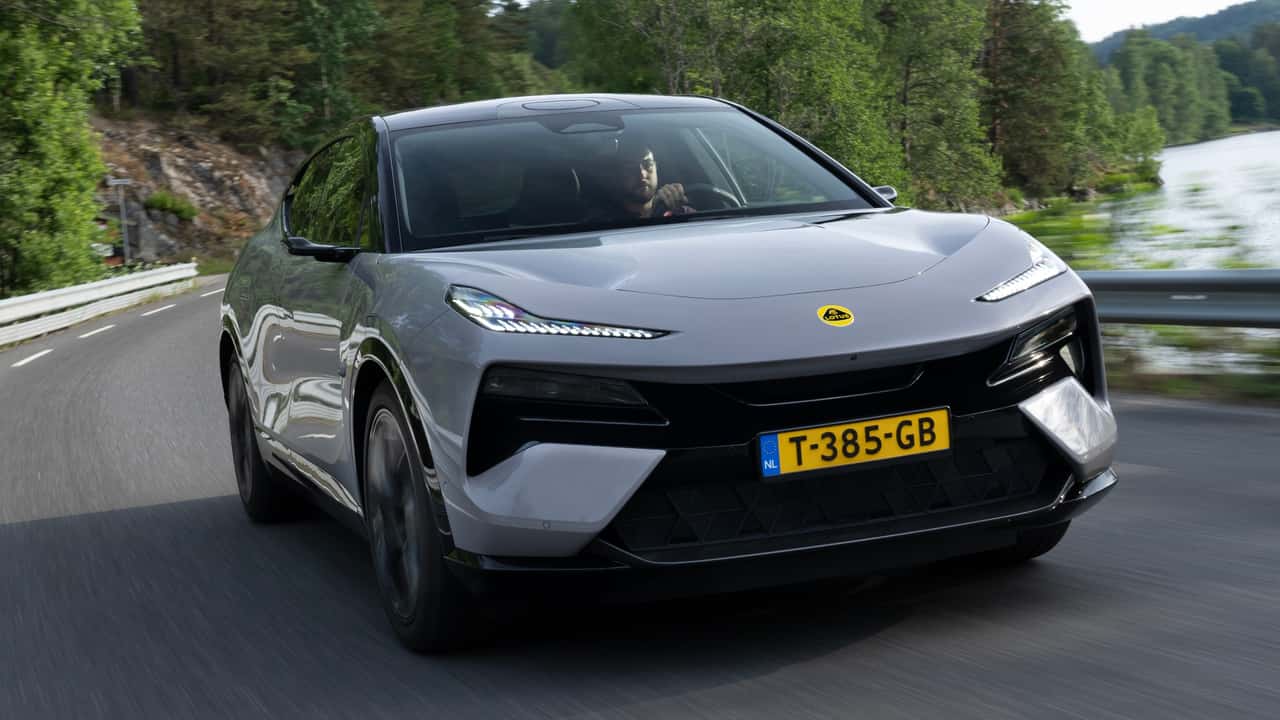


Lotus had done the work. The homologation was complete. The dealers were lined up. The Eletre electric SUV was ready to roll into American showrooms. Then the math stopped making sense.
Massimiliano Trantini, President and CEO of Lotus Americas, told MotorTrend that the company pulled the plug on selling the 2026 Eletre in the United States because tariffs on Chinese-built vehicles made the business case impossible. Lotus managed to stomach a 100 percent tariff on the $230,000 Eletre Carbon edition it offered for 2025. When that number climbed to 150 percent, the conversation ended.
“At this level of duty, the business case no longer works; not for Lotus, not for our dealers, and ultimately not for our customers,” Trantini said.
So for 2027, Lotus will sell exactly one car in the United States: the Emira, a mid-engine sports car built in Hethel, England. That’s the entire American portfolio for a brand that spent the last several years trying to reinvent itself as a multi-model luxury EV maker.
The Eletre was supposed to be the centerpiece of that reinvention. Debuting in 2022, the electric SUV produces up to 905 horsepower in its hottest configuration and hits 62 mph in 2.9 seconds. It also weighs north of 5,000 pounds, a figure that would have made company founder Colin Chapman physically ill.
In China, Lotus recently added a plug-in hybrid version. None of that matters stateside now.
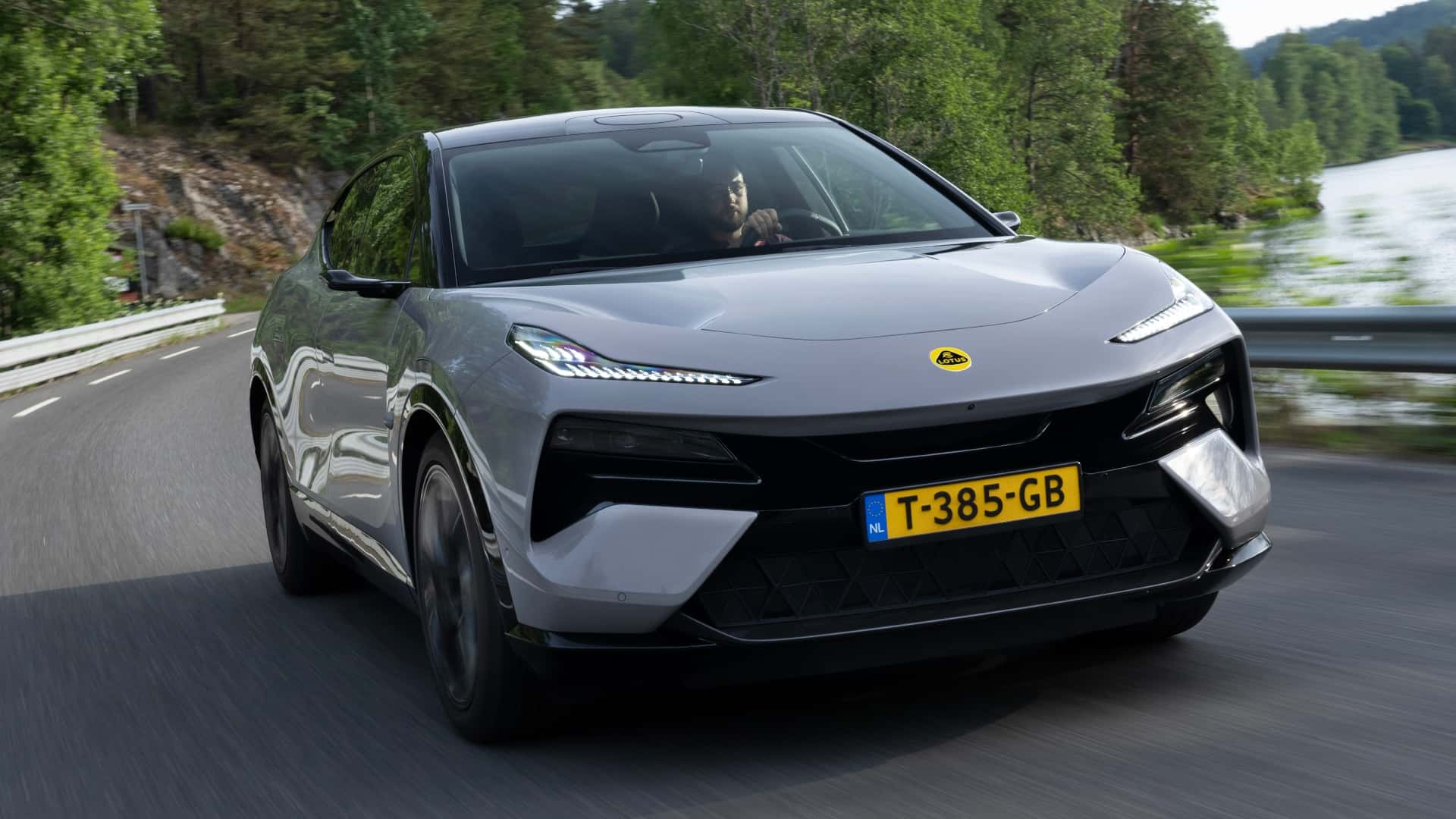
Lotus is owned by Geely, the Chinese automotive giant, and the Eletre is manufactured in China. That combination puts it squarely in the crosshairs of U.S. trade policy aimed at curtailing Chinese automotive influence. The tariffs were the immediate kill shot, but the longer-term threat may be worse.
Proposed legislation in Washington would ban the sale of vehicles from companies with more than 15 percent Chinese ownership. Geely owns Lotus outright. If that bill passes, even the British-built Emira could be locked out of the American market.
Lotus isn’t alone in this squeeze. Polestar, another Geely-linked brand, has already signaled it won’t fight a potential U.S. ban, effectively conceding the market. The pattern is becoming clear: any automaker with deep Chinese ties is being pushed out of America, regardless of where the cars are actually engineered or how British the badge looks.
The irony is thick. Lotus spent decades as a scrappy, cash-strapped sports car company that survived on passion and lightness. Geely’s money finally gave it the resources to expand into SUVs and grand tourers.
That expansion depended on Chinese manufacturing. And Chinese manufacturing is now the one thing the American market refuses to tolerate.
Trantini framed the retreat in terms of customer value, saying Lotus wants to “give the right value for money.” A fair point when you consider what 150 percent tariffs would do to an already expensive vehicle. The Eletre Carbon was $230,000 before the latest tariff hike. Pile on another 50 percent and you are pushing deep into Rolls-Royce territory for a Lotus SUV.
For now, the Emira keeps the lights on at Lotus dealerships in America. But with only one model and a legislative sword hanging over the brand’s ownership structure, the runway is getting very short.
Share this Story