
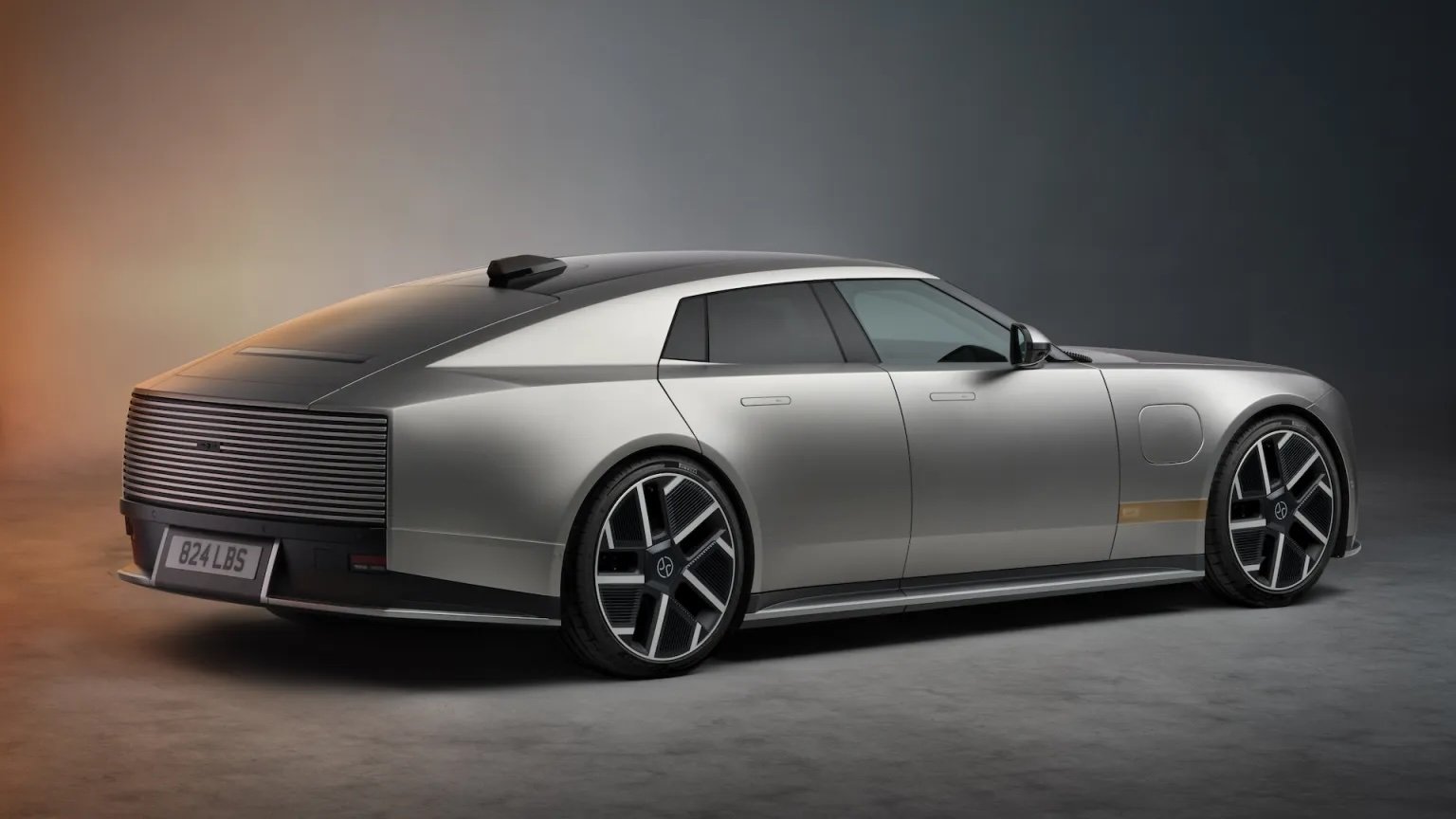


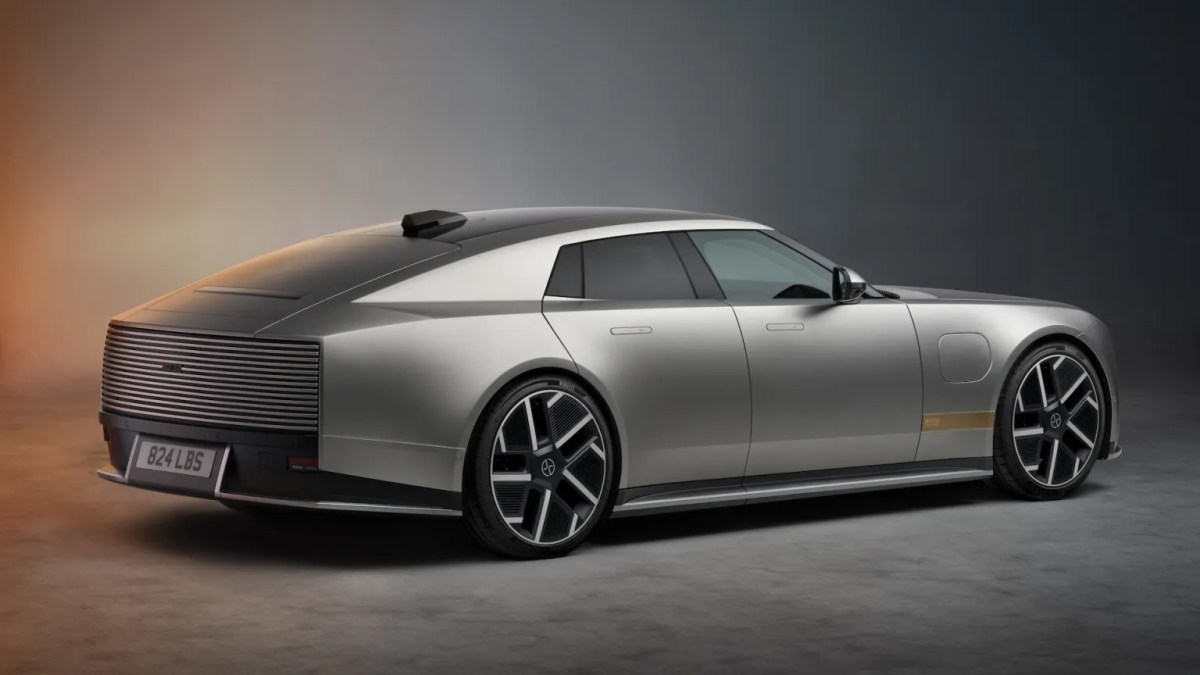
Jaguar managing director Rawdon Glover dropped a number last week that should give the brand’s loudest critics pause. More than 50,000 people have expressed serious interest in the Type 01, the electric GT that was mercilessly ridiculed online when it debuted. Four out of five of those prospective buyers have never owned a Jaguar.
That ratio matters more than the raw figure. Jaguar isn’t just surviving the backlash. It’s pulling from a customer pool that the old Jaguar, the one selling rebadged sedans into a shrinking market, could never reach.
The Type 01 was designed to be polarizing, and it was. The unveiling triggered a social media firestorm over the brand’s new visual identity, its fashion-forward marketing, and a design language that looked nothing like the leaping cat’s heritage. Keyboard critics called it dead on arrival. The internet declared Jaguar finished.
Fifty thousand hands raised says otherwise. Whether all of those convert to deposits and then to sales is another question entirely, but as a measure of brand awareness and consideration, it represents a pipeline the old Jaguar never generated. The Type 01 is expected to start around $127,000, positioning it against the Porsche Taycan Turbo and high-spec versions of the BMW i7. That is a radically different neighborhood than the XE and XF sedans that quietly bled out on dealer lots.
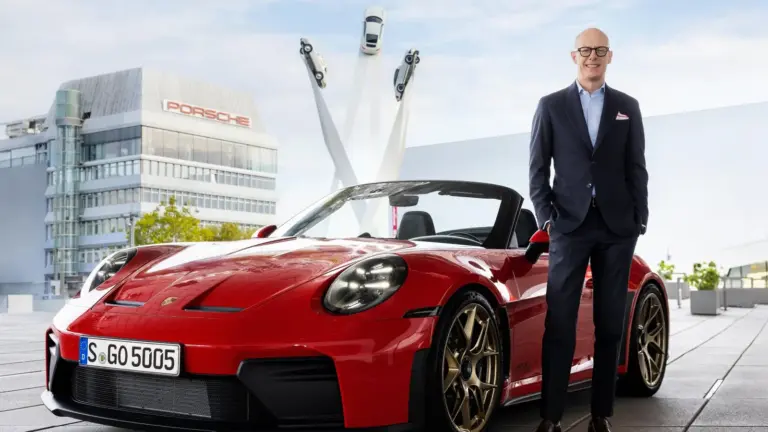
Glover’s strategy runs a version of the same playbook Porsche CEO Michael Leiters is using in reverse. Leiters wants fewer cars, higher margins, and more exclusive variants of the 911 to protect pricing power. Jaguar wants fewer cars too, but it is starting from near-irrelevance and trying to buy its way into the ultra-premium segment with a single dramatic swing.
Both approaches reject volume as a goal. Both bet that scarcity and desirability will hold margins in a market getting squeezed from below by Chinese automakers undercutting on price.
That Chinese pressure is real. A new report from Mobility Global Inc. concluded that legacy automakers will lose the mass market to Chinese competitors while retaining only premium positioning, safety engineering, and fleet business. If that analysis holds, Jaguar’s retreat upmarket looks less like desperation and more like the only viable lane.
The risk is obvious. Jaguar has no recent track record of commanding $130,000 transaction prices. Its dealer network was built to move mid-luxury sedans and crossovers, and the brand’s residual value story is thin.
But Glover does not need 50,000 sales. He needs a fraction of that to make the math work at Jaguar’s planned production volumes. The Type 01 is not chasing the Model Y. It is chasing the Taycan, and Porsche only moved about 40,000 Taycans globally last year.
The loudest voices online spent two years burying Jaguar. The people quietly raising their hands have never owned one before. That disconnect between internet sentiment and actual consumer behavior is becoming one of the more reliable patterns in the car business.
It happened with the C8 Corvette. It happened with the Cybertruck, love it or hate it. The comment section is not the order bank.
Jaguar still has to deliver a car that drives as well as it provokes. That part hasn’t happened yet.

Share this Story