
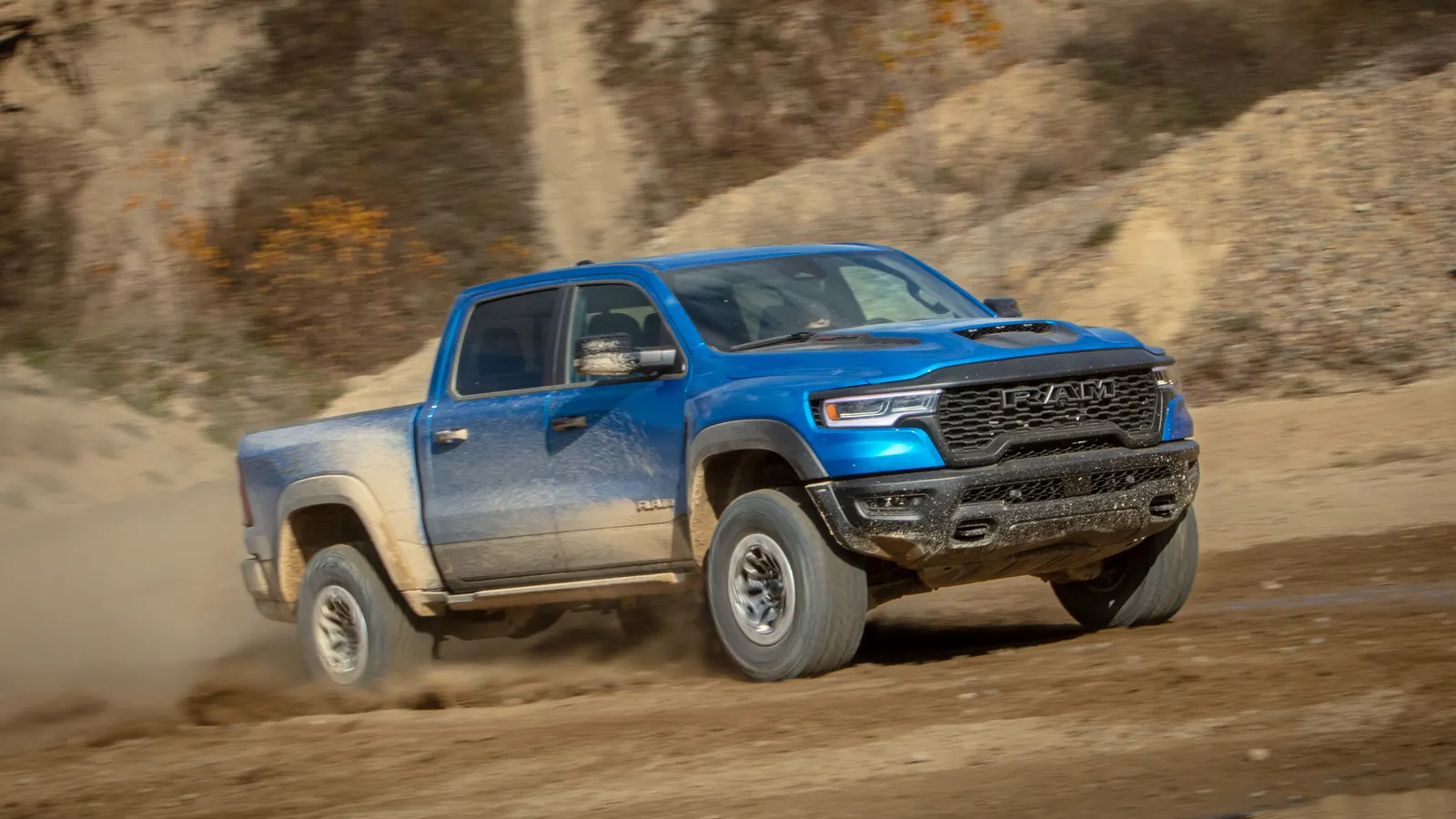


Stellantis just recalled another 239,000 Ram 1500 pickup trucks because the backup camera goes dark when you shift into reverse. That brings the total to roughly 1.1 million vehicles across two separate recalls in barely a month, all tracing back to the same root cause: faulty radio software from the same supplier.
FCA US filed the paperwork with NHTSA covering certain 2025 and 2026 model year Ram 1500s built between October 6, 2023, and February 23, 2026. The company estimates every single truck in that population carries the defective software. Owner notification letters go out September 24, with fixes coming either at the dealer or through an over-the-air update.
The timing here is hard to ignore. Just last month, FCA US recalled nearly 850,000 vehicles across the Chrysler, Dodge, Jeep, and Ram lineups for what amounts to the same problem: radio software preventing the rearview image from appearing when the driver drops into reverse. That earlier action included more than 211,000 model year 2026 Ram 1500s. NHTSA says the two recalls do not cover the same population of trucks, since the latest batch sweeps in 2025 models as well, though there may be overlap in production dates.
Both recalls point to one supplier: Harman Becker Automotive Systems, based in Michigan. Harman, a Samsung subsidiary, provides the radio and infotainment modules running the software that governs the camera display. When that software fails, the screen stays blank with no warning to the driver.
That blank screen is not just an inconvenience. Federal Motor Vehicle Safety Standard No. 111 has required every new passenger vehicle sold in the United States to show a rearview image when shifted into reverse since May 2018. A truck rolling off the lot without a functioning backup camera is, by definition, out of compliance.
FCA US says its internal safety group opened an investigation into the problem back on March 17. It took from March through June to comb through field reports, warranty claims, and customer records. July and August were spent with engineering teams reviewing production data to pin down which trucks were affected. The recall was approved August 26.
Five months from investigation to approval is not unusual, but two massive recalls landing within weeks of each other raises questions about whether the full scope of the problem was understood the first time around. Stellantis has not commented on why the 2025 models were not included in the August action.
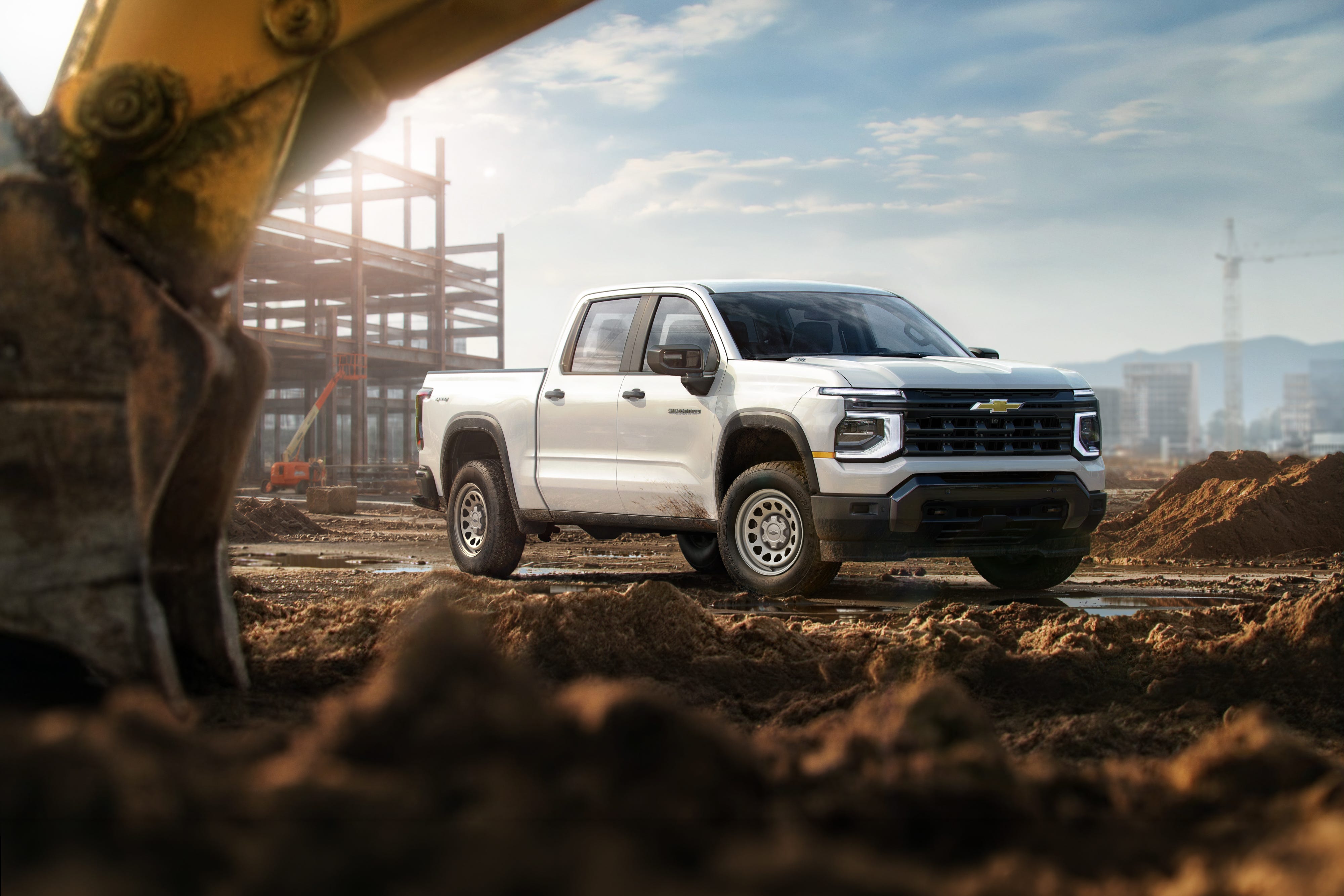
The Ram 1500 is one of Stellantis’s most important profit centers in North America. It competes directly with the Ford F-150 and Chevrolet Silverado in a full-size truck segment where reputation and reliability translate directly into transaction prices north of $55,000. Over-the-air fixes soften the blow for owners who would otherwise have to visit a dealer, but the optics of recalling more than a million trucks for the same defect from the same supplier in 30 days are not something a quick download can patch.
Stellantis is already navigating a painful restructuring under new leadership. The company has been cutting costs, closing plants, and trying to rebuild dealer confidence after a year of bloated inventories and aggressive incentive spending. Stacking recall numbers into seven-figure territory on its bread-and-butter truck does not help that effort.
Harman Becker’s role here is worth watching. When the same supplier appears in consecutive recalls covering overlapping vehicle lines, regulators tend to start asking whether the issue extends further than anyone has yet admitted.
Share this Story