
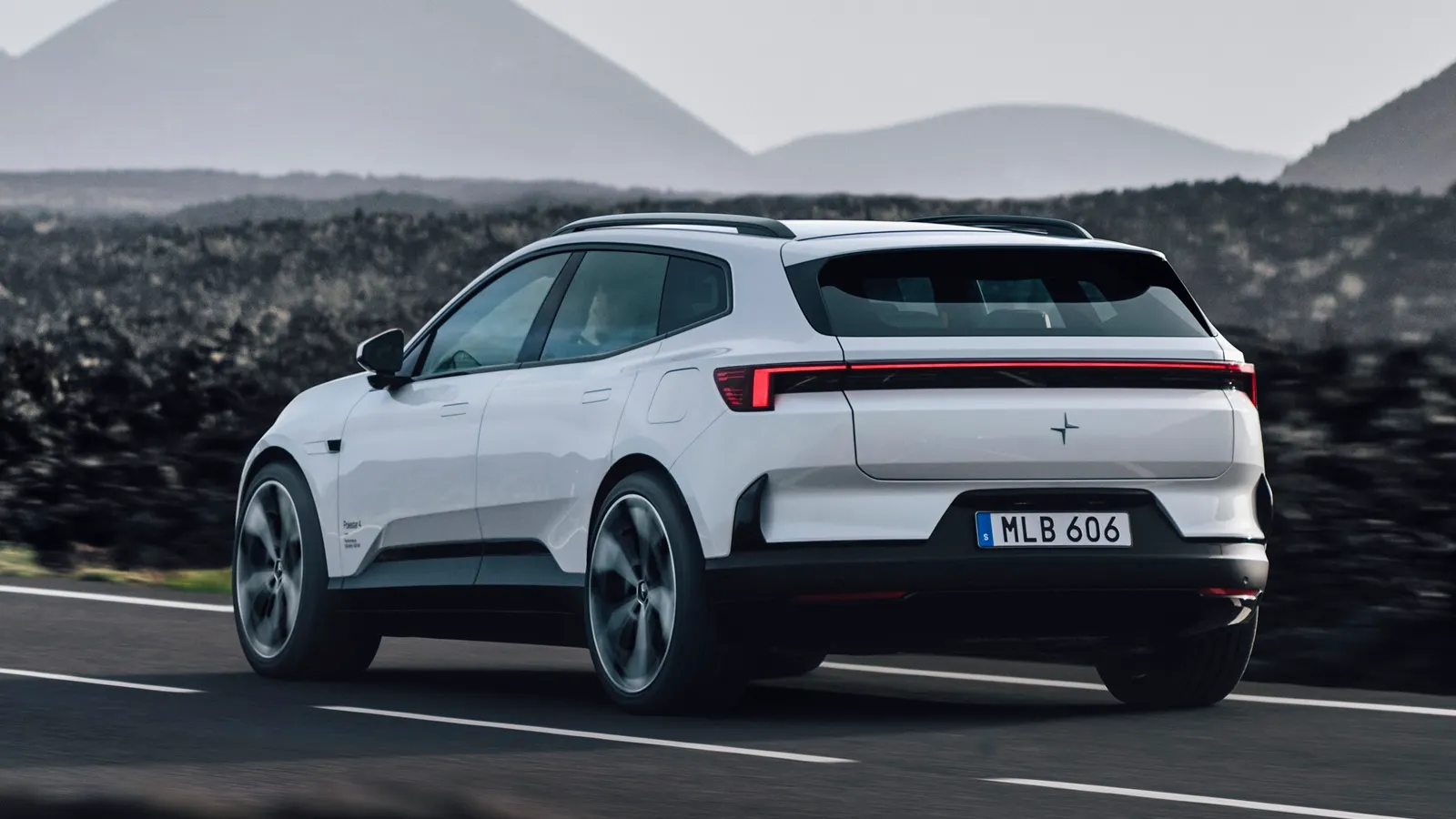


Polestar sold 14,371 vehicles globally in the third quarter of 2026, a company record, even as it winds down operations in the market that was supposed to be its launchpad into the premium EV space.
The U.S. is effectively done for Polestar. The Commerce Department pulled its sales authorization earlier this year, blocking the brand from selling new vehicles starting with the 2027 model year. The reason: connected-vehicle technology linked to China.
By the end of Q3, CEO Michael Lohscheller told Reuters the company’s American inventory was nearly gone. Just 2,160 retail sales in the U.S. during the quarter. That’s a clearance event, not a growth strategy.
Year-to-date, the brand moved 44,790 cars worldwide, another record, though the growth numbers tell a more sobering story. Q3 was up just 1% year over year. The nine-month tally rose only 0.6%.
Those are not the kind of figures that suggest a brand on fire. They suggest a brand treading water in some markets while losing its footing in others.
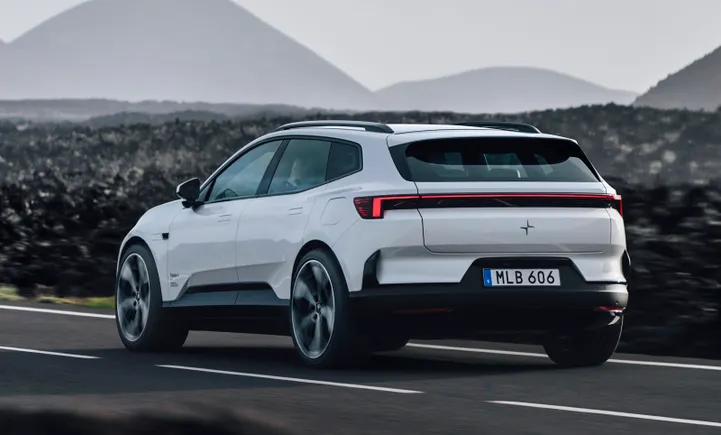
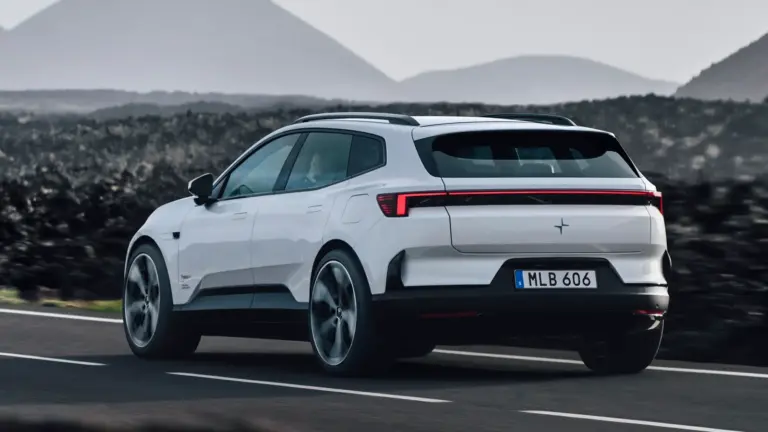
Polestar is leaning hard on Europe now. Lohscheller pointed to the new Polestar 4 SUV as the vehicle broadening the lineup and pulling new buyers into the D-segment, which he called “the largest and most dynamic segment in the European premium EV market.” The Polestar 5 grand tourer also began customer deliveries during the quarter, a milestone the company had been chasing for more than two years.
The product lineup is arguably the strongest it has ever been. Three distinct models, each targeting a different slice of the premium EV buyer. But the timing is brutal — Polestar finally has the cars, and it just lost access to the world’s most profitable luxury market.
The U.S. ban stems from Polestar’s ownership structure. Geely, the Chinese automotive giant, controls both Polestar and Volvo Cars. Washington’s crackdown on connected-vehicle technology tied to Chinese and Russian entities caught Polestar squarely in its crosshairs, even though the brand manufactures some vehicles in Europe and positions itself as a Swedish performance EV maker.
Polestar says it will continue selling used vehicles in America, including through its certified pre-owned program. That keeps the brand name alive in the States, barely. CPO sales don’t move the needle on revenue or volume in any meaningful way.
The real question is whether Europe and other markets can absorb the loss. Polestar has been bleeding cash for years and only recently started showing signs of operational discipline. Losing the U.S. means losing not just volume but the high-transaction-price sales that premium brands depend on to improve margins.
Lohscheller framed the quarter as proof of resilience, calling out “increasingly challenging market conditions.” He’s not wrong. Tariff uncertainty, subsidy changes, and intensifying competition from both legacy automakers and Chinese rivals are squeezing every EV brand in Europe. But most of those competitors still have access to American buyers.
Polestar is now betting its entire future on markets where Chinese-owned brands face growing skepticism, without the American safety net that its business plan once assumed would be there.


Share this Story