
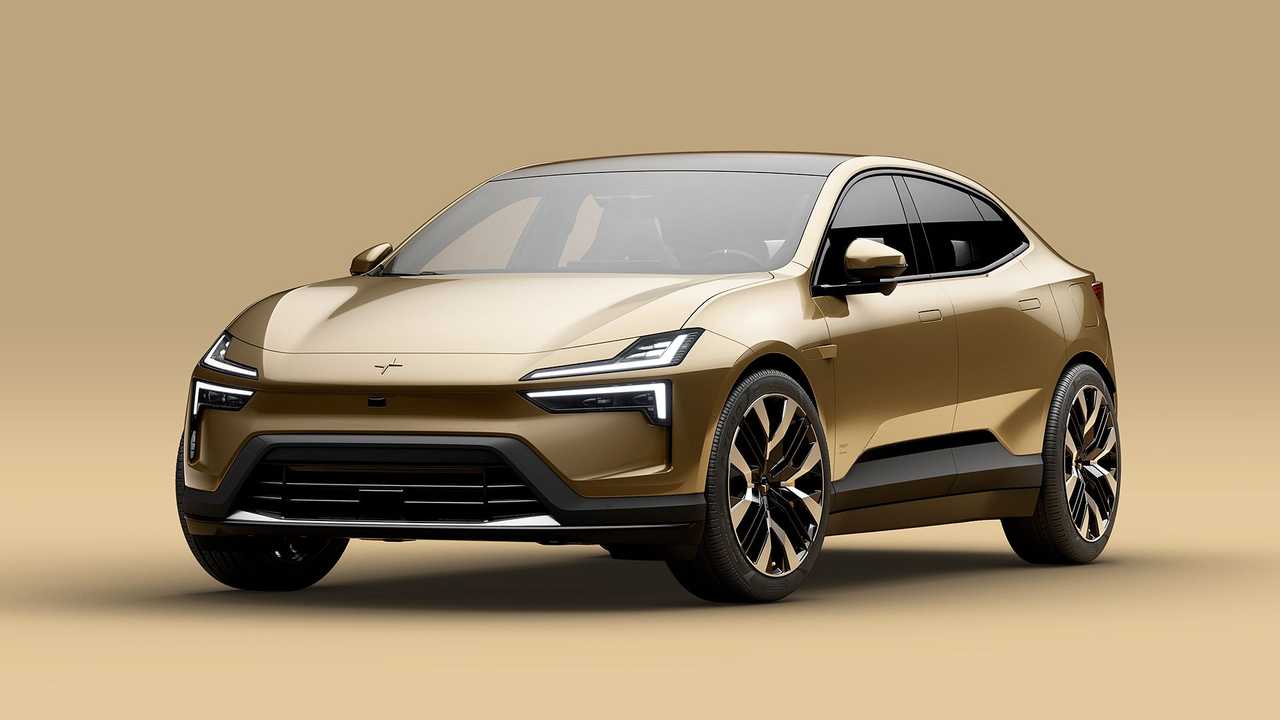


Twenty-five thousand dollars. That’s how much Polestar is willing to shave off a new Polestar 4 if you pay cash — a discount roughly the size of a new Toyota Corolla. The offer runs through July 31st, and it exists for one reason: the brand has no future in America.
The U.S. Department of Commerce’s Connected Vehicles Rule effectively bans Polestar from selling cars here starting with the 2027 model year. What you’re looking at now is a liquidation dressed up as a summer sale.
A rear-motor 2026 Polestar 4 that listed at $57,800 drops to $32,800 with the cash incentive. The dual-motor variant, originally $64,300, falls to $39,300. Those are Camry and Accord prices for a 310-mile EV with a genuinely interesting design and no rearview mirror — replaced by a camera, which some love and others loathe.
The catch on that $25,000 discount is real: cash only. No financing, no lease. Polestar knows most buyers can’t or won’t write a check north of thirty grand for a car from a company packing its bags.
So there are backup offers. Lease a single-motor Polestar 4 for $399 a month over 39 months with just $1,000 down, backed by a $19,000 incentive. Or finance with $18,000 off and 0% APR for 60 months.
The lease might actually be the smartest play. You drive the car for three years, hand back the keys, and someone else worries about what happens when the warranty claims have nowhere to go.
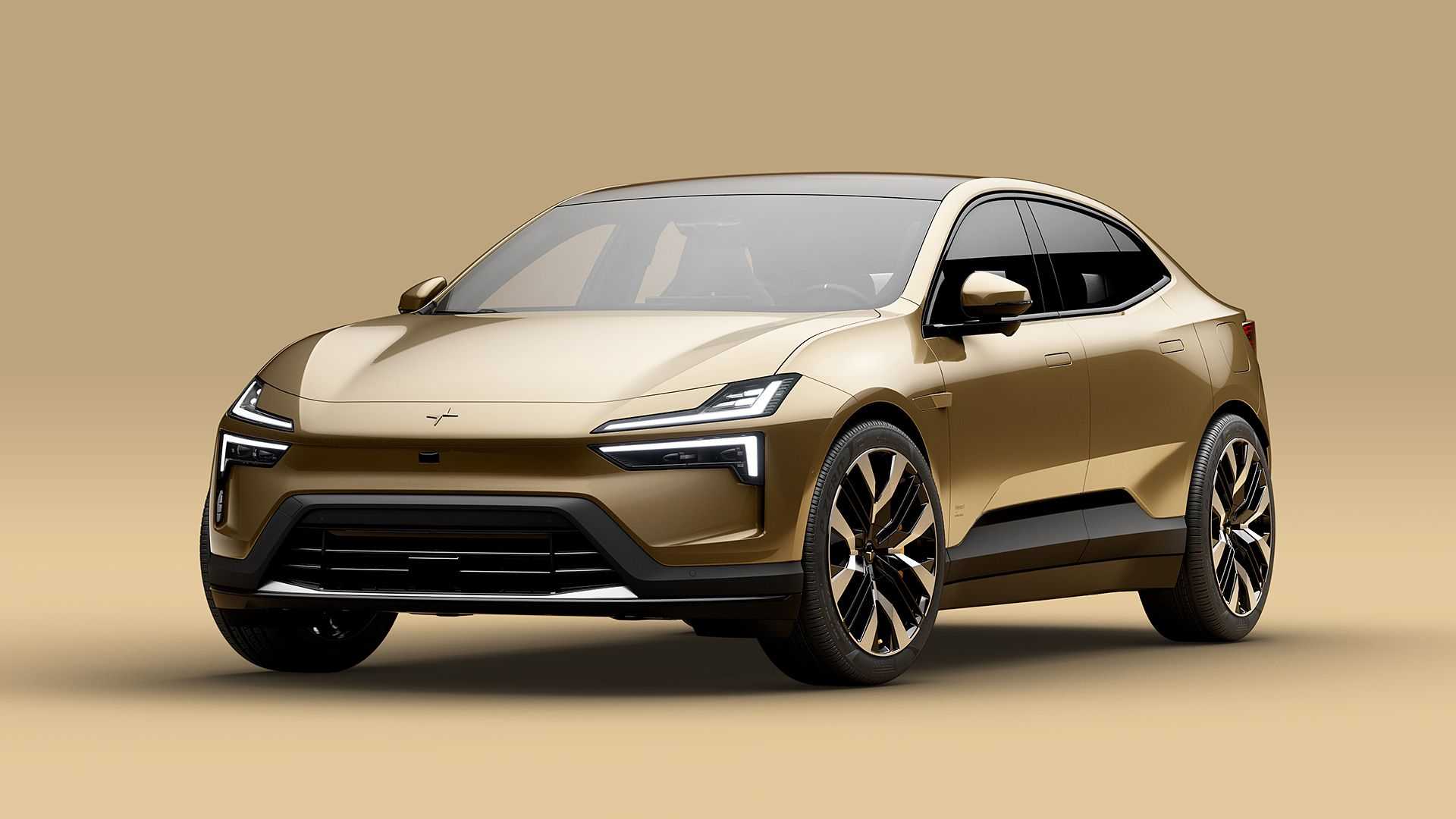
That’s the real question hanging over all of this: who services these cars? Polestar shares DNA and parentage with Volvo, so the assumption is that Volvo dealers could handle maintenance. Motor1 has asked Volvo directly and hasn’t gotten an answer yet. The silence is not reassuring.
History has taught this lesson before. When Saab died, owners spent years hunting for parts and competent shops. When Fisker collapsed, Karma Revero owners entered a strange limbo of third-party workarounds. Brand death doesn’t mean the cars stop running, but it does mean every repair becomes an adventure, and not the fun kind.
Polestar’s situation is slightly different because it isn’t going bankrupt — it’s being regulated out of the American market. The parent company, Geely, will keep building cars elsewhere. Parts should theoretically remain available through international channels. Theoretically.
The Polestar 4 itself is a capable machine. The dual-motor version makes 544 horsepower, and the single-motor car gets 310 miles of range. The interior is clean and well-built.
Under normal circumstances, it would compete respectably against the Tesla Model Y, the Hyundai Ioniq 5, and anything else in the mid-$50K EV bracket. But these are not normal circumstances.
At $32,800, you’re getting a premium EV for compact-car money. At $399 a month on a lease, you’re paying Civic territory for something far more interesting. The value proposition is absurd — if you can stomach the risk.
And that’s where every potential buyer has to do their own math. A car is not just a purchase price. It’s years of ownership, maintenance, software updates, and the quiet confidence that someone will pick up the phone when something breaks. Polestar can’t promise any of that anymore. Not here.
The deals are genuinely unprecedented. A quarter of the sticker price vanishing overnight doesn’t happen with healthy brands. It happens when the clock is running out and the lots need to be empty before the lights go off for good.



Share this Story