


A study published in JAMA Network Open has drawn a line between major album releases and spikes in traffic deaths, adding a new dimension to the distracted-driving conversation that goes well beyond texting and phone calls.
Researchers looked at traffic fatalities alongside Spotify streaming data from 2017 to 2022, a period that saw 233,809 deaths recorded in the federal Fatality Analysis Reporting System. On days when highly anticipated albums dropped, adjusted fatality rates climbed 15.1% compared to the 10 days before and after each release. Streaming volume on those same dates jumped roughly 43%.
The biggest single-day spike in streams belonged to Taylor Swift’s Midnights, released October 21, 2022. Spotify logged 184,695,609 plays that day alone.
Album release dates are chosen by record labels with zero regard for traffic forecasts, which makes the correlation harder to dismiss as coincidence. The researchers controlled for holidays, days of the week, and other variables that could skew the numbers. The pattern held.
Younger drivers showed the sharpest increases in fatal crash involvement on release days, which tracks with the age demographics of heavy streaming users. Older drivers still clinging to CDs and aux cords apparently aren’t rushing to queue up new releases the moment they hit the road.
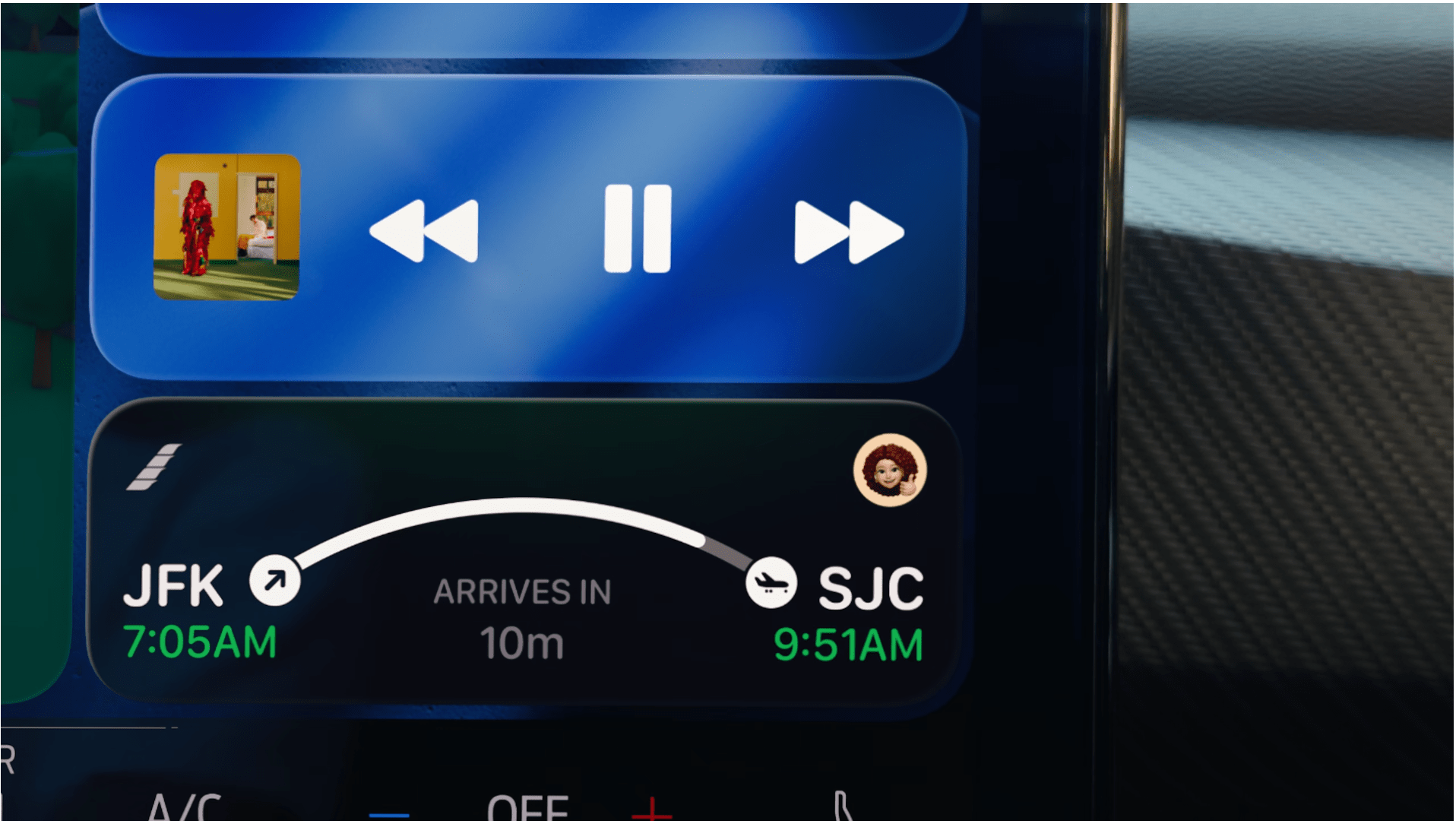
The finding challenges a comfortable assumption baked into modern car design. Apple CarPlay and Android Auto exist partly to make phone-based activities safer by moving them onto a car’s built-in screen. Hands-free is supposed to mean risk-free, or at least risk-reduced.
But this study suggests the opposite may also be true. By making it effortless to browse, search, and stream from behind the wheel, infotainment integration may be lowering the barrier to distraction rather than raising it.
Music in cars is nothing new. AM radios were standard equipment by the 1950s. But a radio plays whatever the station chooses.
Streaming services hand the driver an almost infinite catalog and the ability to search it, skip tracks, build playlists, and chase the dopamine of hearing a brand-new album the minute it goes live. That’s a fundamentally different cognitive load than turning a dial.
The study does not prove that streaming music directly causes crashes. Correlation is not causation, and the authors acknowledge as much. There could be confounding factors tied to release-day excitement, social media activity, or simply more people on the road on Fridays.
But the demographic alignment between heavy streamers and the drivers most affected is difficult to wave away.
Most state distracted-driving laws target handheld phone use. None of them address what a driver does with a phone that’s already docked and connected to the car’s system. If streaming-related distraction is a real and measurable contributor to fatal crashes, current legislation isn’t built to address it.
Automakers, meanwhile, keep adding larger touchscreens and deeper app integration as selling points. Spotify is now embedded natively in vehicles from several manufacturers, no phone connection required. The push to make the car a seamless extension of digital life continues without much friction from regulators.
The next wave of album drops will arrive on schedule. So will the streaming numbers. Whether anyone in a position to act treats this data as more than an academic curiosity remains an open question.


Share this Story