
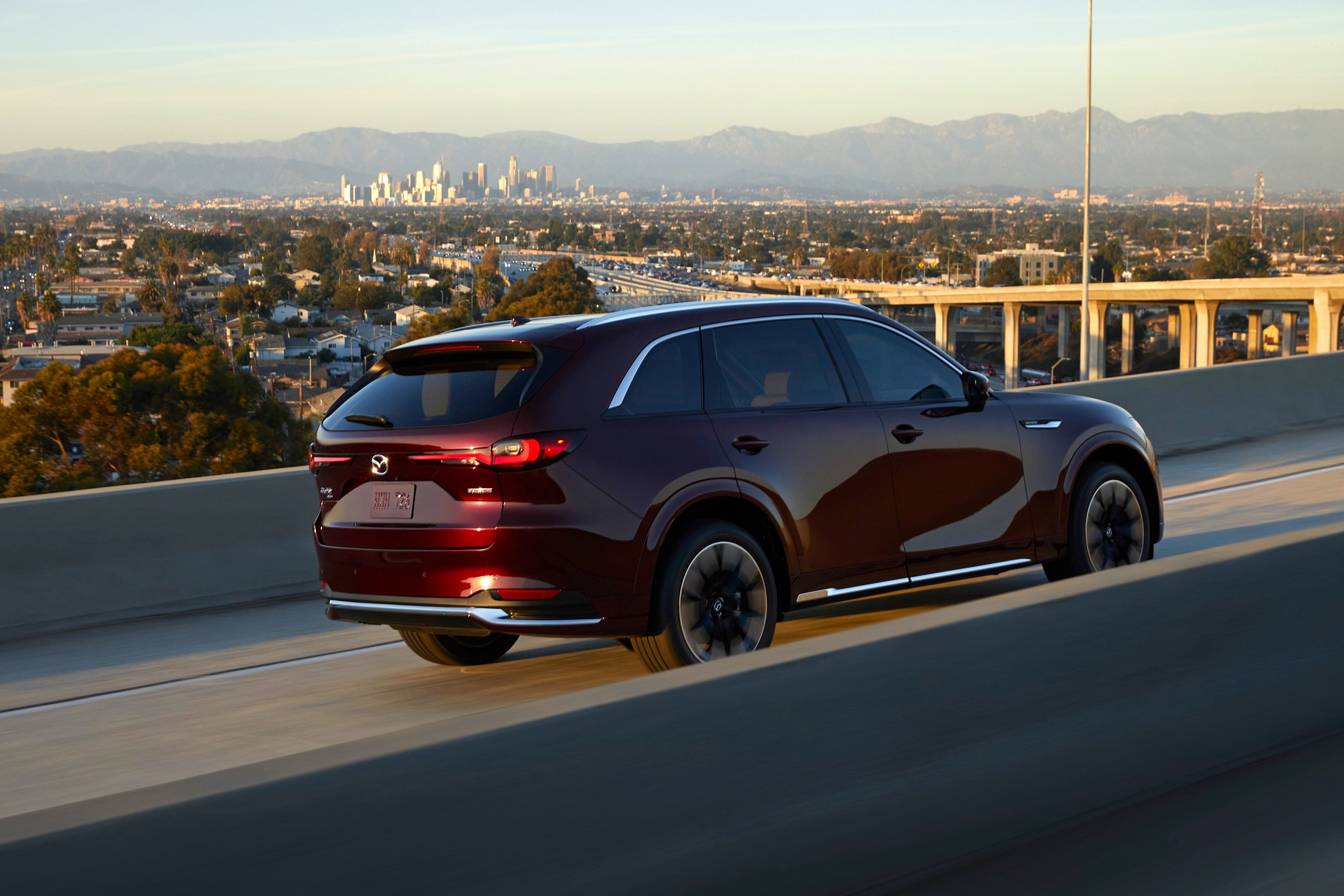


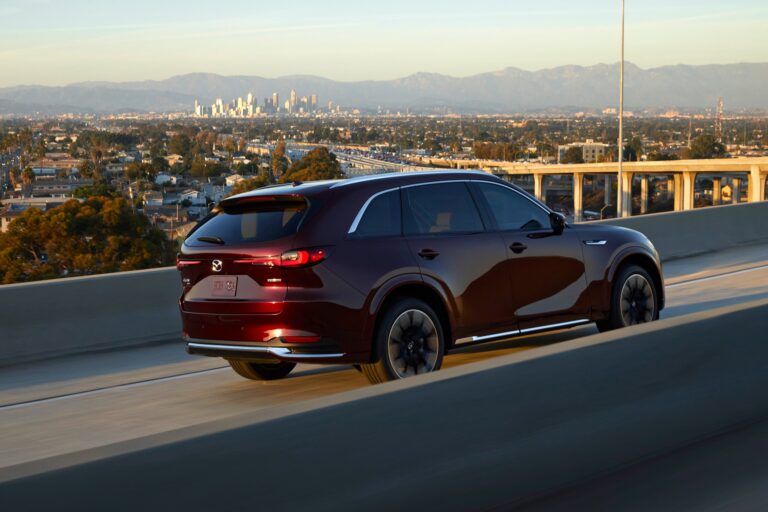
Mazda is folding the two-row CX-70 into the three-row CX-90 for 2027, effectively admitting that selling two nearly identical large SUVs at the same time was a bad idea. The consolidated CX-90 will offer both seating configurations, with the base three-row starting at $41,345 including destination.
The CX-70 and CX-90 were always the same vehicle underneath. Same platform, same powertrains, same factory in Alabama. The only real difference was whether you got a third row or didn’t.
Mazda somehow priced the smaller CX-70 higher than its bigger sibling, a pricing structure that confused buyers and dealers alike. That inverted logic is sticking around in spirit. While both configurations now live under the CX-90 nameplate, the two-row version will still command a premium over the entry-level three-row.
Mazda apparently believes there’s a market for fewer seats at a higher price, positioning the two-row as a sportier, more premium choice. The math remains unconventional.
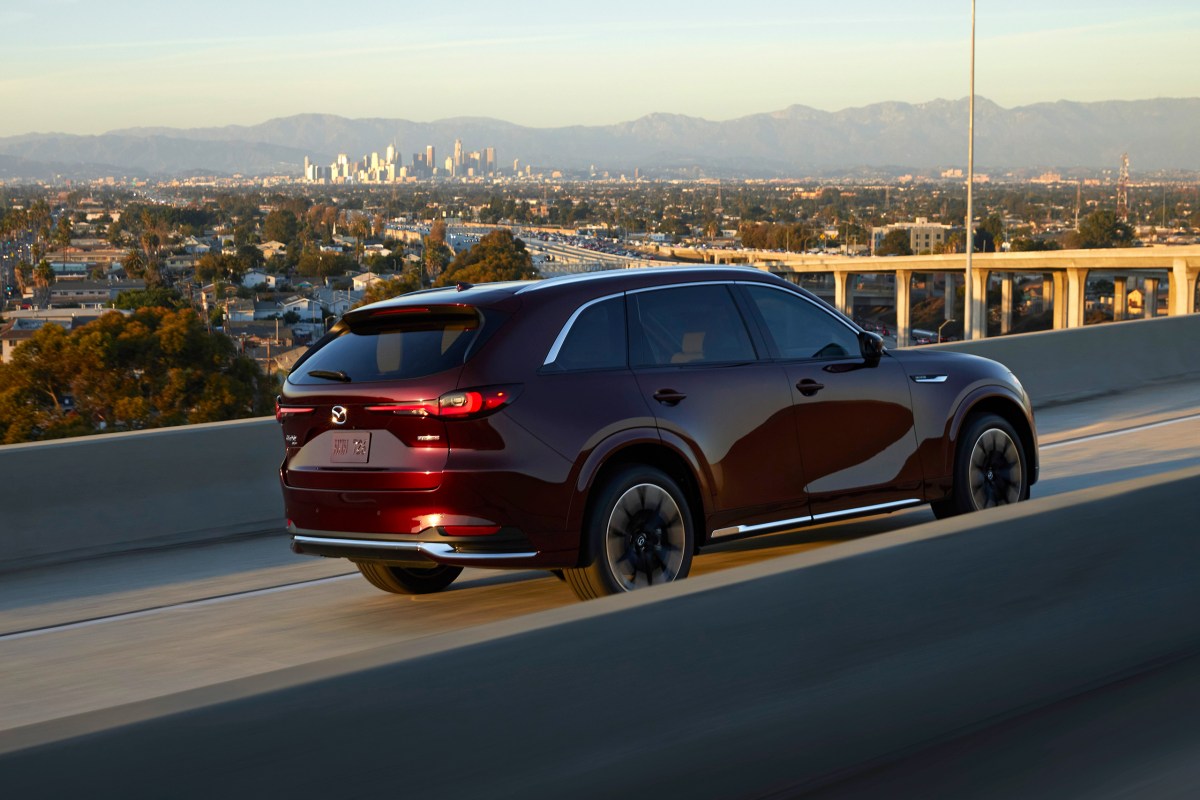
These large SUVs were Mazda’s bet on cracking the American market in a bigger way. The company built them specifically for North America, moving upmarket with inline-six engines and rear-wheel-drive architecture borrowed from its partnership with Toyota. Sales have not rewarded that ambition.
The CX-70 in particular never found its audience, caught between the compact CX-50 below it and the CX-90 above it with no clear reason to exist. Consolidation is the pragmatic move. One nameplate is easier to market, easier to stock, and easier to explain to a customer standing on a dealer lot trying to figure out why two SUVs that look nearly identical carry different names and different price tags.
Mazda learned the hard way what most automakers already knew: product line complexity without product differentiation is just noise. The broader picture for Mazda in the U.S. is still unsettled. The company has pushed hard toward premium positioning over the past several years, trimming entry-level offerings and loading its vehicles with luxury-adjacent features.
That strategy works when the economy cooperates and brand cachet follows. Mazda’s cachet, built on driving dynamics and tasteful design, hasn’t translated into the kind of transaction prices or conquest sales that justify a full luxury pivot.
Dropping the CX-70 name is a small administrative change. But it signals something Mazda has been slow to acknowledge: the North American large SUV strategy launched with more ambition than clarity. Two nameplates didn’t double the opportunity. They split it.
Whether a streamlined CX-90 lineup can reverse the sales trajectory is another question entirely. The segment is brutal. Toyota’s Grand Highlander and Hyundai’s Palisade own the value conversation, while luxury buyers who might consider a loaded CX-90 are cross-shopping Genesis, Lexus, and BMW, brands with decades of premium credibility that Mazda is still trying to build.
For 2027, Mazda is cleaning up the mess. The product itself was never the problem. The positioning was.

Share this Story