
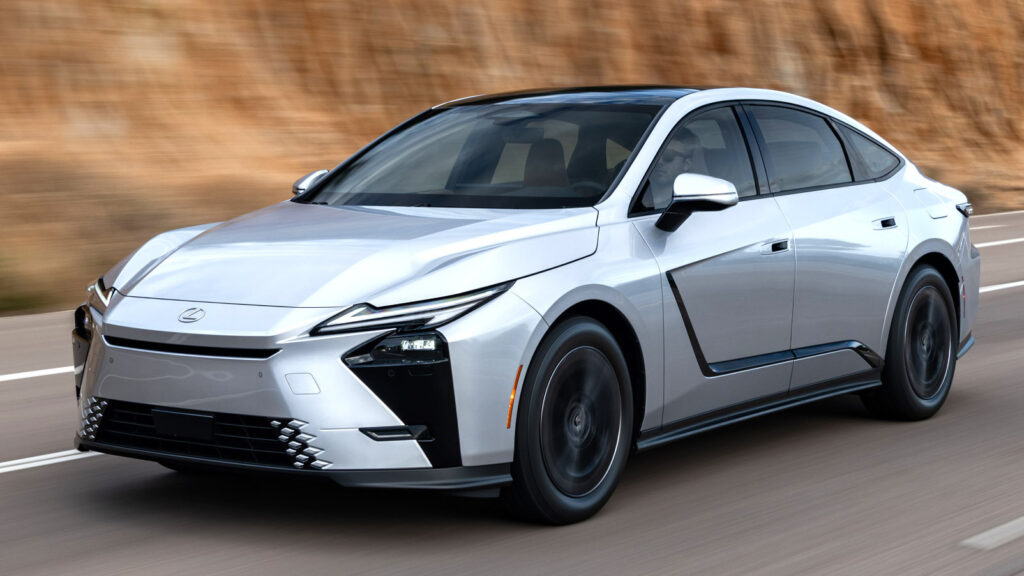


Lexus ES chief engineer Kohei Chiashi didn’t hesitate when asked what created the most internal friction during development of the all-new sedan. It wasn’t the powertrain. It wasn’t the infotainment stack. It was shock absorbers.
“We discussed shock absorbers until the very end,” Chiashi said during the ES first-drive launch event. “We have to offer good road feel, but balance it between comfort and connection. We went back and forth with the dampers about where to set them in the final car.”
That a chief engineer would volunteer damper tuning as the hottest internal debate tells you everything about where Lexus thinks the ES lives in the market. This has never been a car that chases lap times or spec-sheet bragging rights. It chases the feeling you get after four hours behind the wheel when you realize you’re not tired.
Chiashi described the modern Lexus driving philosophy in exactly those terms: a car that responds naturally to inputs while ensuring “nobody in the car should be tired” after hundreds of miles. That’s a deceptively difficult engineering target, because it means every suspension component has to thread a needle between isolation and engagement.
Too soft and the driver loses the road. Too firm and the rear-seat passenger starts shifting in their seat by mile 80. The fact that this argument ran all the way to pre-production tells you neither camp wanted to blink.
The foundation for all that damper agonizing was a substantially stiffer body structure. Chiashi pointed to the new platform as the single biggest contributor to improvements in ride quality, noise isolation, and vibration control. A rigid body gives suspension engineers something solid to tune against.
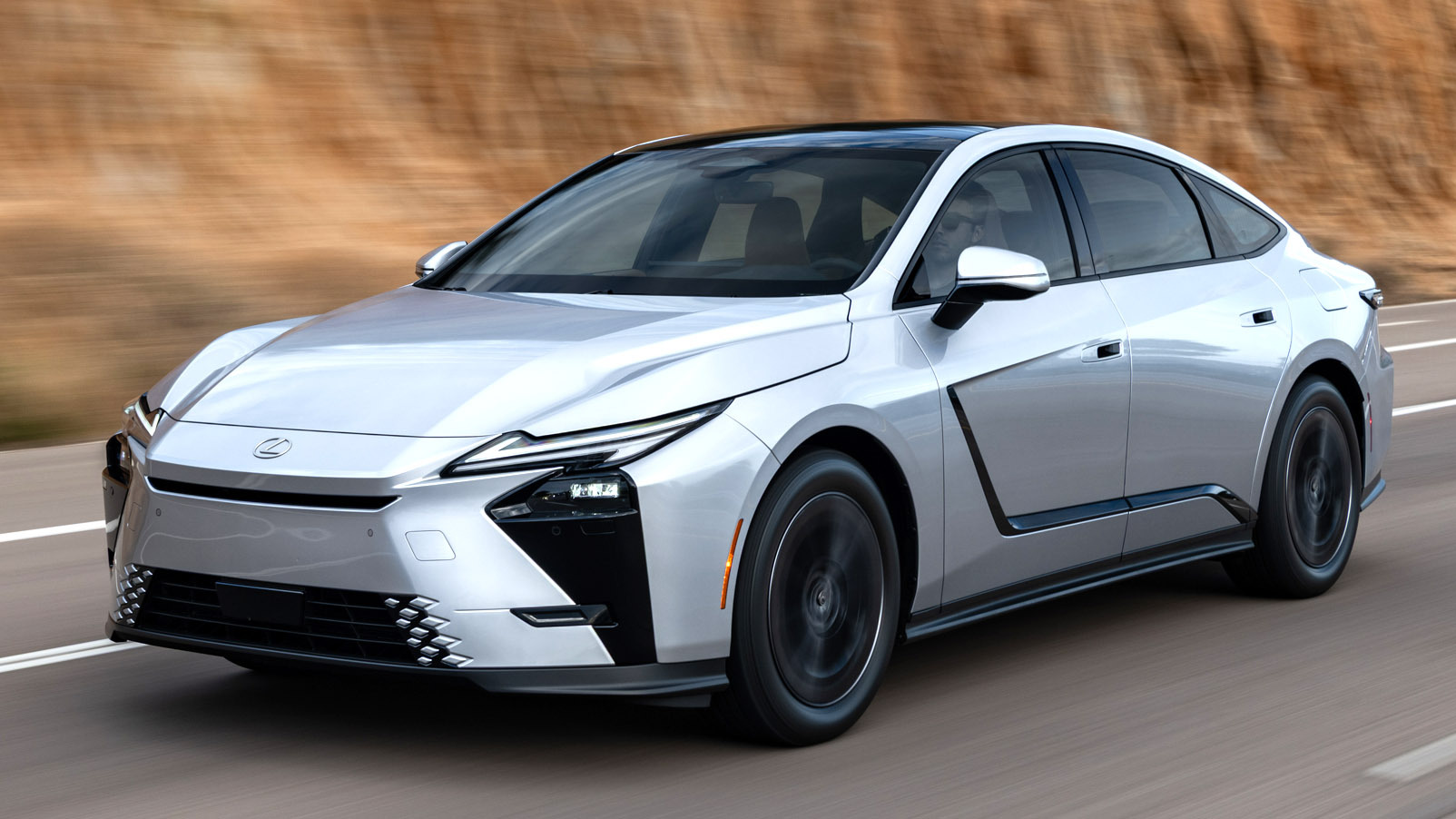
Without that stiffness, even perfect damper calibration gets undermined by flex and resonance. Lexus also ditched the old rear suspension layout in favor of a multi-link setup, which improves both comfort and straight-line stability. Multi-link designs give engineers more variables to play with, and more variables to argue about.
Combined with the stiffer shell, it gave the team a fundamentally better canvas. But the final brush strokes, those damper settings, apparently required the most negotiation.
There’s something refreshing about an automaker admitting its engineers fought hardest over a component most buyers will never think about. In a market drowning in screen-size wars, range anxiety debates, and subscription-fee controversies, Lexus spent its political capital on ride quality. The ES buyer probably doesn’t know a monotube from a twin-tube, but they absolutely know the difference between arriving relaxed and arriving rattled.
It also reveals something about how cars actually get developed versus how they get marketed. The press releases will talk about the new platform, the technology suite, the design language. Nobody writes a bullet point about six months of damper arguments.
But that’s where the car actually lives or dies for its target customer. The ES sells to people who want a quiet, composed sedan that doesn’t demand attention or apology. Getting the dampers right is the whole game.
Chiashi and his team clearly understood that, even if they couldn’t agree on exactly where “right” was until the eleventh hour. Sometimes the least glamorous fight is the one that matters most.



Share this Story