
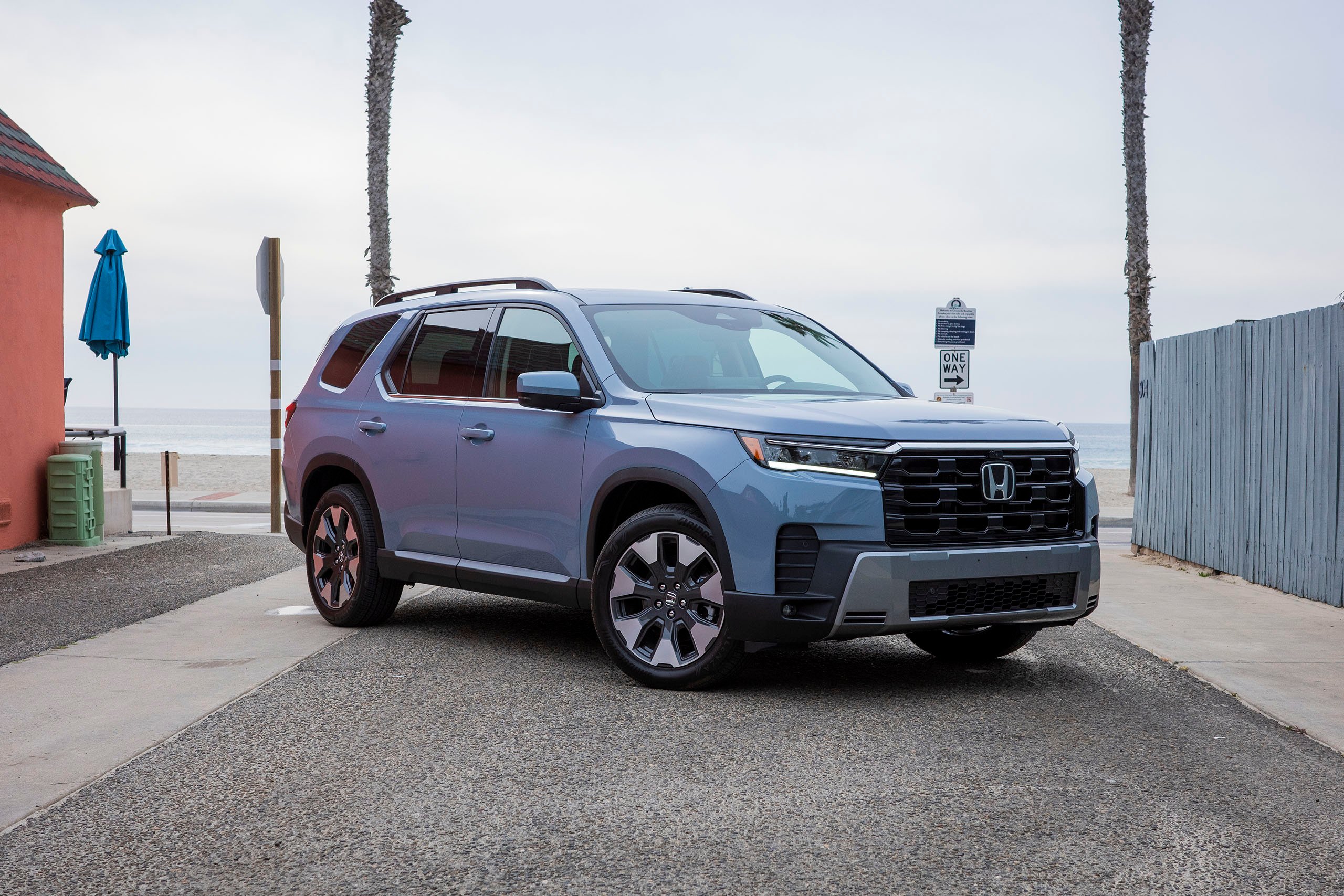


Honda is reportedly in early planning stages for an SUV larger than the Pilot, one designed to compete directly with the Toyota Grand Highlander. The catch? It wouldn’t arrive until 2032, according to Automotive News.
Six years is a long time to let Toyota own a segment unchallenged.
The Grand Highlander launched in 2024 and quickly carved out a profitable niche for buyers who wanted genuine three-row comfort without stepping up to a body-on-frame beast like the Sequoia. Honda’s current Pilot does offer a third row, but anyone who has folded themselves into those rear seats knows it’s more of a suggestion than an invitation. A purpose-built larger SUV would address that gap head-on.
Honda’s timeline raises questions about how seriously the company views this fight in the near term. A 2032 target means the vehicle is likely tied to a future platform that doesn’t exist yet, possibly one shared with the next generation of Honda and Acura products. That kind of long-range planning is typical for Honda, a company that moves deliberately rather than reactively. But deliberation has costs when competitors are already banking sales.
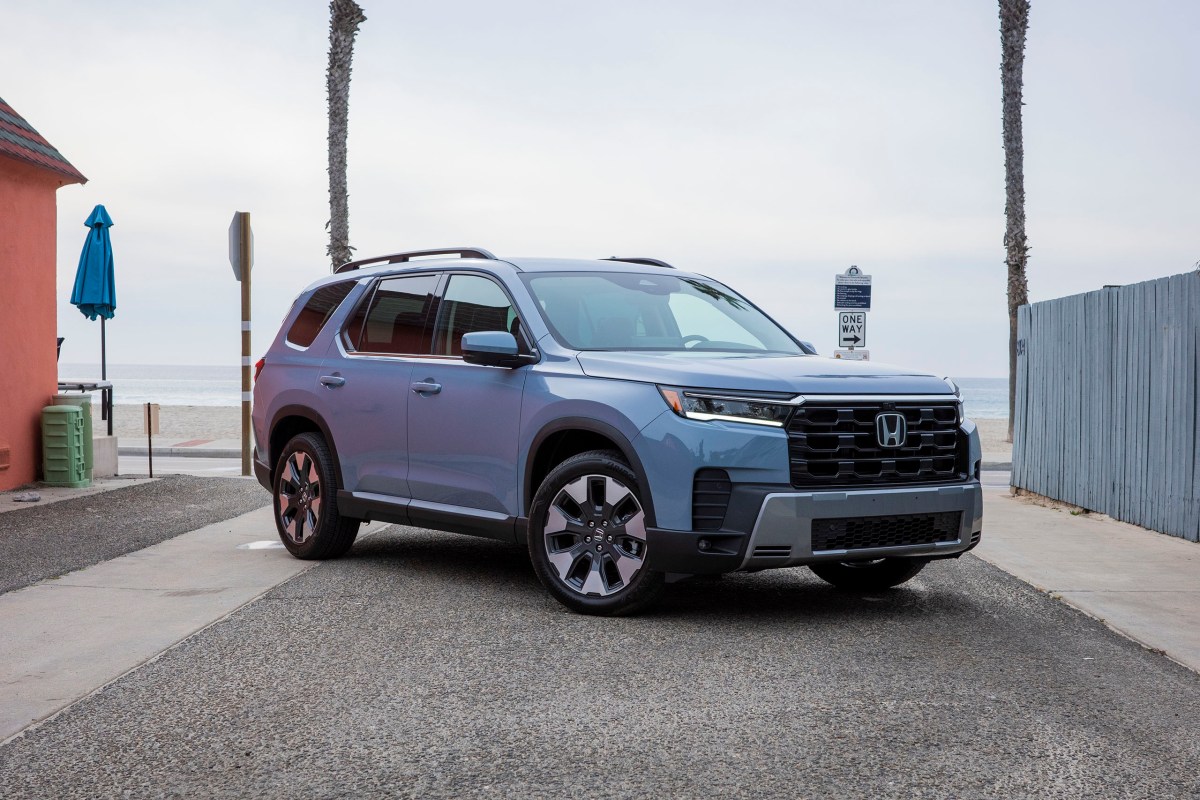
Toyota, meanwhile, is dealing with its own headaches on the Grand Highlander. The model, along with the Lexus TX and RX, is under recall for forged front-steering knuckles that didn’t receive adequate heat treatment during manufacturing. The aluminum components are brittle and could fracture under impact.
Only 617 vehicles are affected, but this is the second aluminum-parts recall for the Grand Highlander and TX this year. Earlier in 2026, rear-axle carriers from the same supplier triggered a similar action. When a supplier fails you twice on the same type of defect, you have a supplier problem, not a one-off quality glitch.
None of that dims the Grand Highlander’s sales momentum, but it does suggest Toyota’s rush to build volume on the platform has occasionally outpaced its quality controls.
For Honda, the strategic question is whether the three-row crossover segment will even look the same in 2032. Electrification timelines, shifting tariff landscapes, and consumer preferences that have whipsawed between SUVs and sedans over the past decade make any six-year bet a gamble. Honda is also navigating its troubled partnership with Sony on the Afeela EV brand, its alliance with Nissan that keeps wobbling, and a domestic Japanese market under pressure.
Building a vehicle to fight a competitor that will be on its second generation by the time you show up requires either supreme confidence in your product or a belief that the segment will be big enough to absorb a late entrant. Honda probably holds both views.
The Pilot itself remains a strong seller, consistently among the top choices for families who want something smaller than a Tahoe but more refined than most of what Hyundai and Kia offer in the space. Stretching that formula into a larger footprint makes obvious sense. The question was never whether Honda should do it. It was when.
And 2032 feels like Honda is content to watch from the sidelines while Toyota and its Lexus division define the rules of a category that barely existed three years ago. By the time Honda arrives, it won’t just be chasing the Grand Highlander. It will be chasing whatever the Grand Highlander becomes next.
Share this Story