


Toyota is forging ahead with a massive plan to boost its electric vehicle (EV) production in China. The Japanese automaker intends to open a state-of-the-art factory in Shanghai by 2027, dedicated exclusively to manufacturing next-generation Lexus EVs. This bold move underscores Toyota’s ambitions to strengthen its presence in the world’s largest auto market, while meeting its global EV goals.

The Lexus LF-ZC concept, an advanced EV design pointing to the brand’s electric future.
Aiming for a Larger Footprint in China
China plays a pivotal role in Toyota’s strategy to achieve a significant production milestone. The company plans to double its local production capacity to 3 million vehicles annually by 2030. This new manufacturing plant will operate independently, avoiding the joint venture model seen with Toyota’s current collaborations such as FAW Toyota and GAC Toyota. If realized, it will make Toyota the first Japanese carmaker to own a fully independent plant in China.
Lexus, Toyota’s luxury division, has performed exceptionally in China. The brand sold roughly 180,000 vehicles last year, marking a 3% growth despite challenges in the global auto market. Given Lexus’s ambition of becoming an all-EV brand by 2035 and achieving 1 million EV sales by 2030, the Shanghai factory will be key to reaching these targets.
Next-Gen EV Production
The Shanghai plant is expected to roll out production versions of two cutting-edge Lexus concepts, the LF-ZC and LF-ZL.
LF-ZC (Lexus Future Zero-emission Concept)
- Combines gigacasted modular architecture with structurally independent front and rear sections.
- Allows for the seamless integration of next-gen batteries as technology advances.
LF-ZL (Lexus Future Zero-emission Luxury)
- Promises enhanced interior space, advanced aesthetics, and superior aerodynamics.
- Designed with long-distance travel and top-tier comfort in mind.
The launch of these models has been rescheduled from 2026 to 2027, aligning perfectly with the factory’s opening timeline.
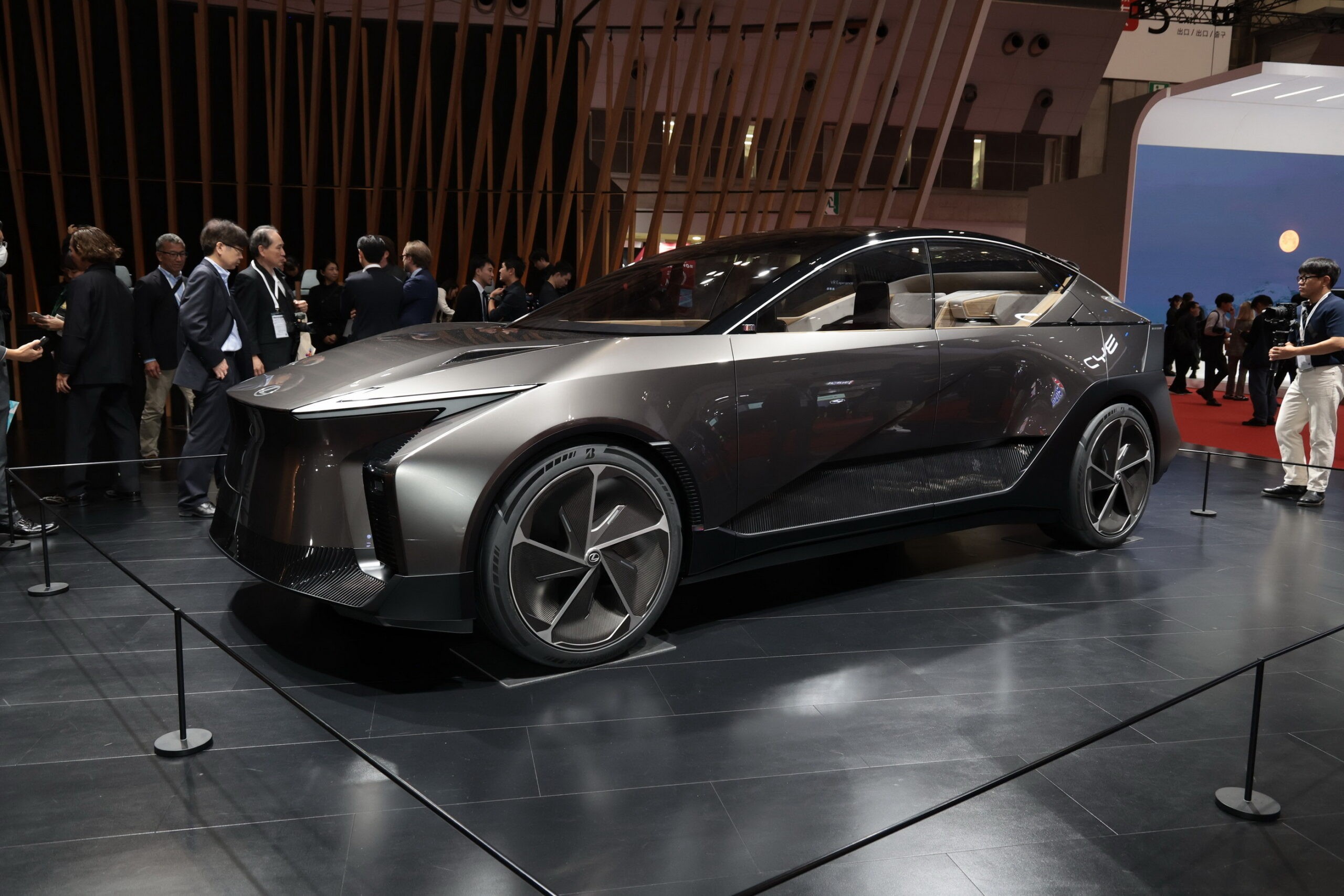
Lexus LF-ZL concept represents the future of luxurious, sustainable driving.
Why Manufacturing in China?
By operating in China, Toyota will tap into the benefits of cheap yet highly skilled labor and an efficient manufacturing environment. For years, foreign automakers could only operate in China through joint ventures. However, with the recent removal of such restrictions, brands like Toyota can now enter the market independently, ensuring greater operational control.
This decision also positions Toyota to rapidly respond to the local demand for EVs. As the Chinese government pushes for aggressive electrification, having a local manufacturing base is essential for reducing costs and improving supply chain efficiency.
The Bigger Picture
This Shanghai plant is not just about increasing production but also serves as a launchpad for Toyota’s next-generation EV platform and battery technologies. The gigacasting technique used in the LF-ZC and LF-ZL is a perfect example, aimed at improving production efficiency and vehicle performance.
Below is a quick overview of the expected specifications for the next-gen Lexus EVs:
Model |
Platform |
Key Features |
|
|---|---|---|---|
LF-ZC |
Gigacasted modular architecture |
Upgradable battery, independent design |
2027 |
LF-ZL |
Luxury-focused EV platform |
Spacious interior, cutting-edge aerodynamics |
2027 |
Toyota’s decision to expand in China with an independent Lexus EV factory highlights its commitment to electrification and adaptability in a changing global market.



Share this Story