


BMW sold 200,012 plug-in hybrids last year. That number was up 20 percent over 2024, and it accounted for 8.1 percent of every vehicle the company moved globally. For a brand that has spent the last three years talking almost exclusively about its electric future, the gas-and-battery combo is doing awfully well.
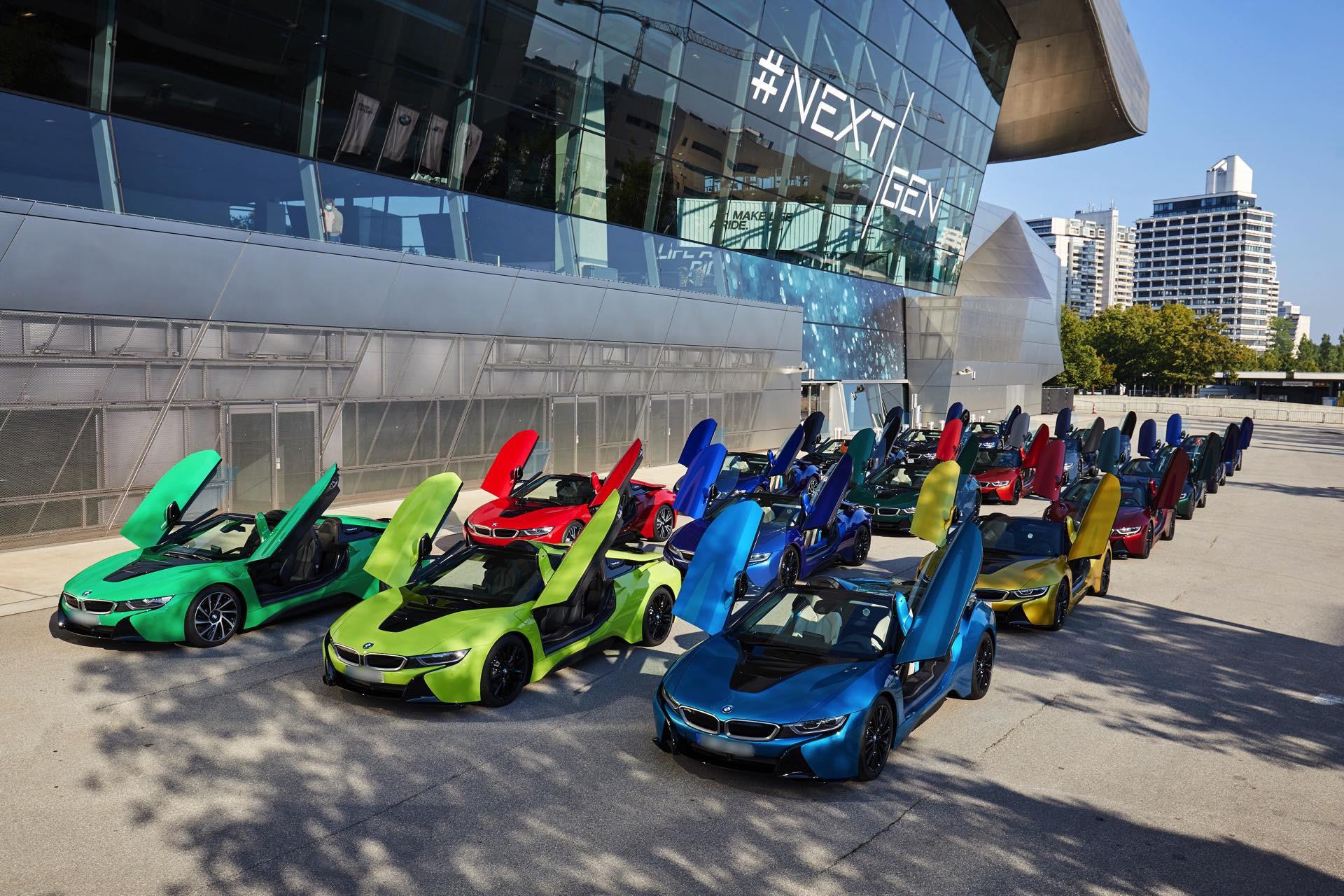
The PHEV count now stands at 1.5 million units since the i8 launched in 2013. In that same period, BMW has sold two million fully electric cars. The gap between those two figures is smaller than Munich would probably like to advertise.
Combine PHEVs and EVs and you get 26.1 percent of BMW’s total sales in 2025. That means nearly three out of four BMWs sold last year still ran on gasoline alone. The company’s stated goal of pure EVs making up more than half its sales by 2030 looks like a steep hill from here.
Last year, zero-emission vehicles represented just 17.9 percent of BMW Group volume, counting MINI and Rolls-Royce alongside the core brand.
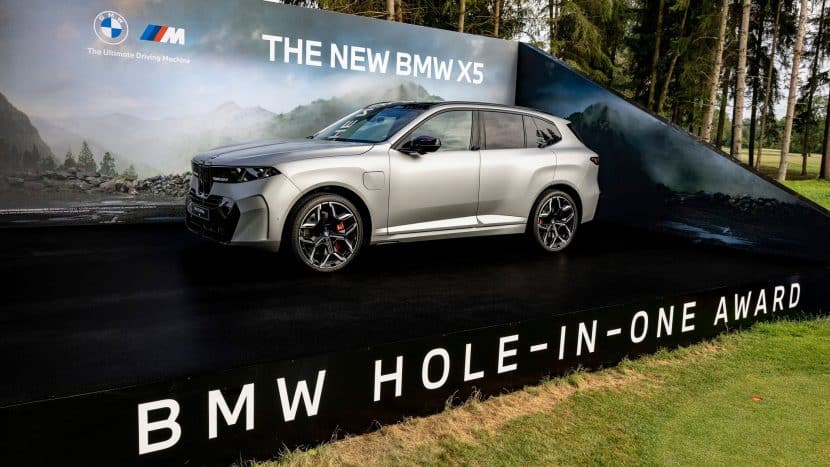
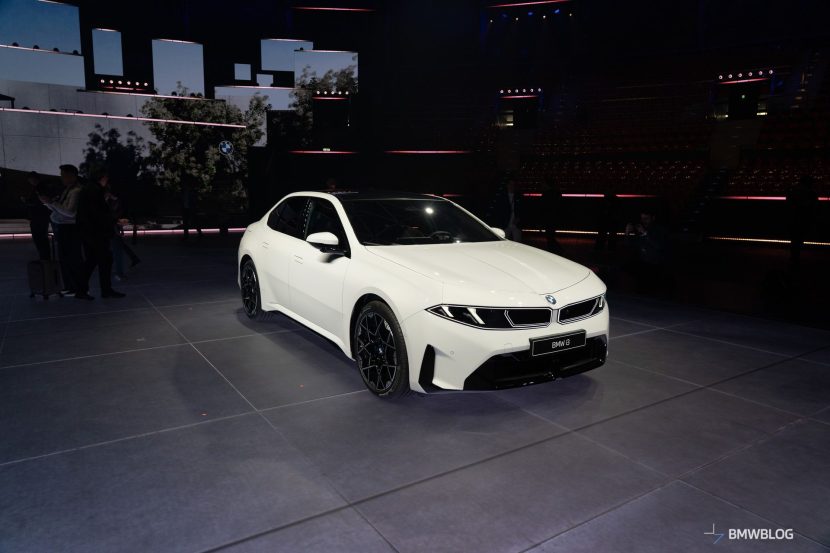
The new Neue Klasse architecture was supposed to be the great accelerant. BMW positioned it as the foundation for a fully electric lineup, the platform that would finally drag the brand into the battery age at scale. But the upcoming X5, built on Neue Klasse underpinnings, will be offered as a plug-in hybrid in two flavors: the 50e and an M Performance variant called the M60e.
The next 3 Series is expected to keep its PHEV option too. So the architecture designed to signal BMW’s electric commitment is also keeping the combustion engine alive in its two most important nameplates.
There are holdouts. The 1 Series and 2 Series Gran Coupe skip the plug entirely. The X2 dropped its PHEV option between generations, and the X6 and X7 reportedly won’t get plug-in hybrid variants going forward.
But the vehicles that actually generate the revenue, the X5 and the 3 Series, are hedging. BMW knows that customers in key markets still want the security blanket of a combustion engine, even if they charge at home every night. The 20 percent year-over-year jump in PHEV sales is not the behavior of a technology in decline.
It is the behavior of a technology filling a gap that pure EVs have not yet closed.
BMW’s leadership has been careful not to set a hard deadline for the end of internal combustion. That caution looks increasingly strategic rather than indecisive. Competitors like Mercedes-Benz walked back their own EV-only targets, and Volkswagen Group is scrambling to balance its electric push with profitable ICE models.
The industry’s mood has shifted from “how fast can we go electric” to “how do we survive the middle.” BMW is surviving the middle by selling plug-in hybrids at a clip that would make some EV startups jealous. The 1.5 million milestone is not a legacy number but a current market reality.
The question hanging over Munich is whether 2030 arrives and the EV share is anywhere near 50 percent, or whether the PHEV counter just keeps climbing. Right now, the trajectory favors the cars with two powertrains rather than one.
Share this Story