
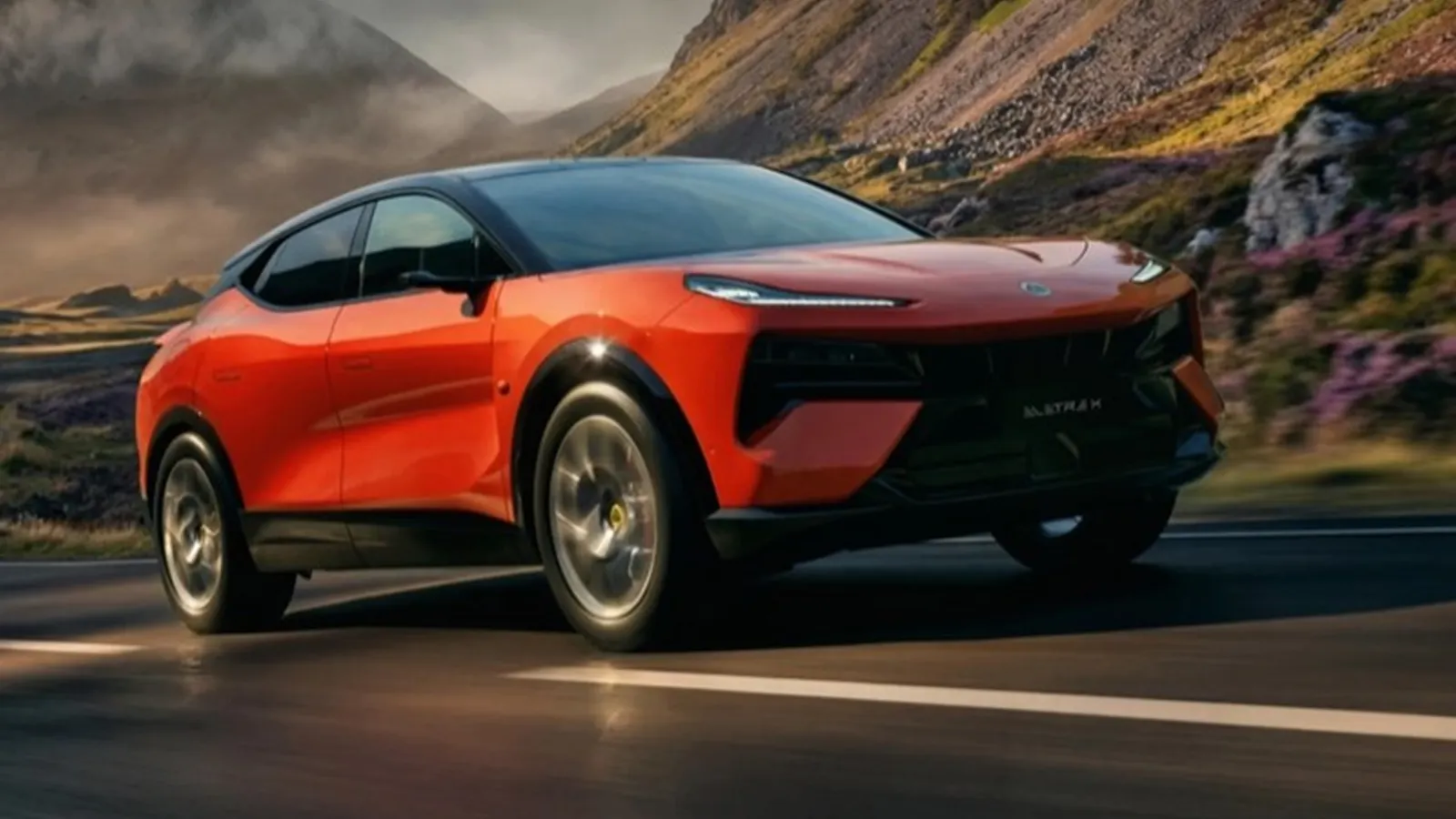


Lotus Technology cut its first-half 2026 losses by 63% year-on-year, a number that looks dramatic until you read the fine print. A one-off license fee refund inflated the improvement. Strip that out, and losses still dropped 26% to $195 million, down from $263 million in the same period last year. That’s progress, but Lotus is still bleeding cash.
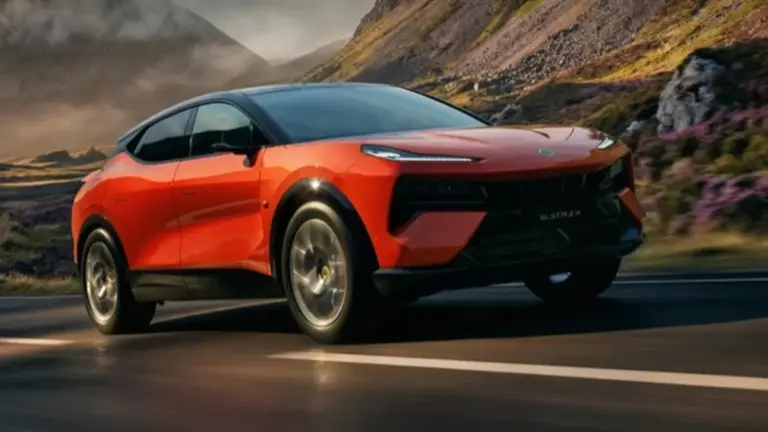
The turnaround story rests on two pillars: China and plug-in hybrids. Deliveries hit 3,904 vehicles in H1 2026, a 39% jump over the prior year, with China alone surging 60%. The plug-in hybrid Eletre X, now selling in China and six other international markets, is the engine behind the growth.
Mainland Europe won’t see deliveries until Q4 2026. The U.K., where the brand was born, has to wait until mid-2027.
Global revenue climbed 23% to $268 million. Gross profit reached $26 million with margins expanding to 10%, which Lotus attributes to a better product mix. For a company that was recently all-in on battery electric vehicles, the pivot to offering plug-in hybrids looks like pragmatism winning over ideology.
That pivot is worth examining. Just months ago, Lotus publicly abandoned its EV-only strategy and teased a hybrid powertrain exceeding 1,000 horsepower. CEO Qingfeng Feng called the PHEV demand validation of a “multi-powertrain approach.” The pure-EV bet wasn’t working fast enough, and the market told them so.
The organizational side is shifting too. Lotus merged its electrified mobility division with its U.K. production unit under a “One Lotus” banner just one day before releasing these financial results. Announcing a corporate restructuring alongside improved numbers lets management frame consolidation as momentum rather than desperation.
The China dependency deserves scrutiny. A 60% delivery increase in a single market is welcome when that market is the world’s largest for electrified vehicles. But it also means Lotus is leaning heavily on a region where domestic competitors like BYD, NIO, and Zeekr are fighting for every sale with aggressive pricing and rapid product cycles.
The Eletre X is a strong product, but Chinese consumers are notoriously fickle with premium EV brands that don’t keep refreshing.
Lotus remains a small-volume player. Under 4,000 deliveries in six months puts it far behind mass-market EV makers and still behind niche luxury rivals in scale. The $195 million loss, even adjusted, means the company is spending far more than it earns.
The path to profitability requires either much higher volumes, much lower costs, or both. The Focus 2030 strategy gives Lotus roughly four more years to prove it can become sustainably profitable.
The Emira sports car, recently launched in a 420 Sport variant with a turbocharged four-cylinder, adds another revenue stream from the enthusiast end of the lineup. But that car alone won’t close a $195 million gap.
Geely, which owns the majority stake, has been patient. Whether that patience extends through another four years of losses depends entirely on whether this first-half trajectory can accelerate. The next test arrives when the Eletre X hits European showrooms later this year, where tariffs, competition, and consumer sentiment toward Chinese-owned brands create a very different playing field than Shanghai.

Share this Story