
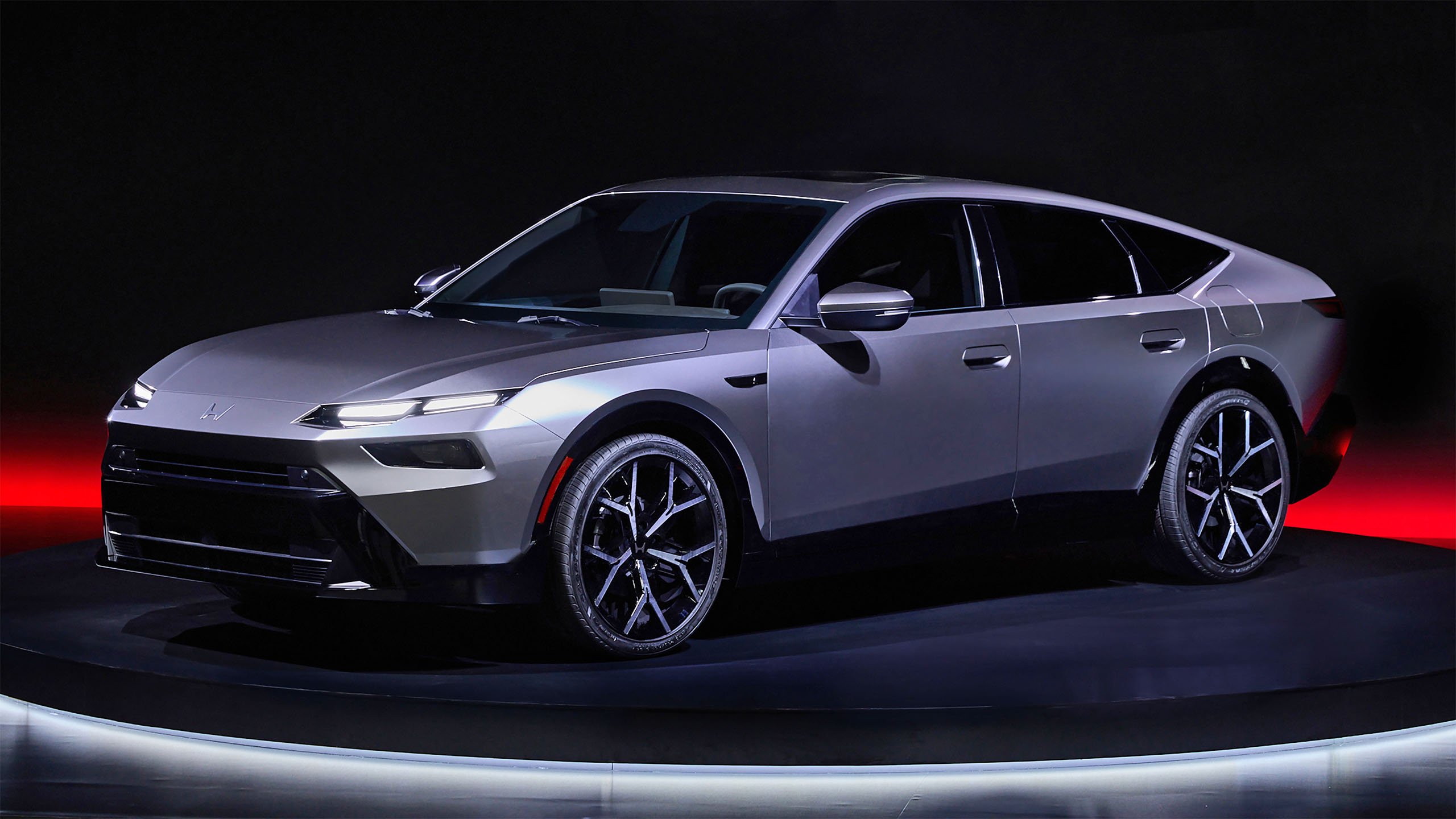


Honda is pivoting hard toward hybrids, planning at least 15 new models by 2030, with most headed to the U.S. market. The announcement comes after the automaker killed its upcoming 0 Series electric vehicles and absorbed a staggering $15 billion write-down in the process.
That is not a gentle course correction. That is a company ripping up the playbook and starting over.
Honda had positioned the 0 Series as its flagship EV push, a ground-up electric architecture meant to signal the company’s future. That future lasted about as long as a concept car’s tire shine. The prototypes looked promising, but the business case did not.
Now Honda is doing what it arguably should have been doing all along: leaning into the hybrid technology it helped pioneer decades ago with the original Insight. The company that introduced mainstream hybrid powertrains to America before most automakers could spell “lithium-ion” somehow convinced itself it needed to skip ahead to full electrification. The market, and the balance sheet, had other ideas.
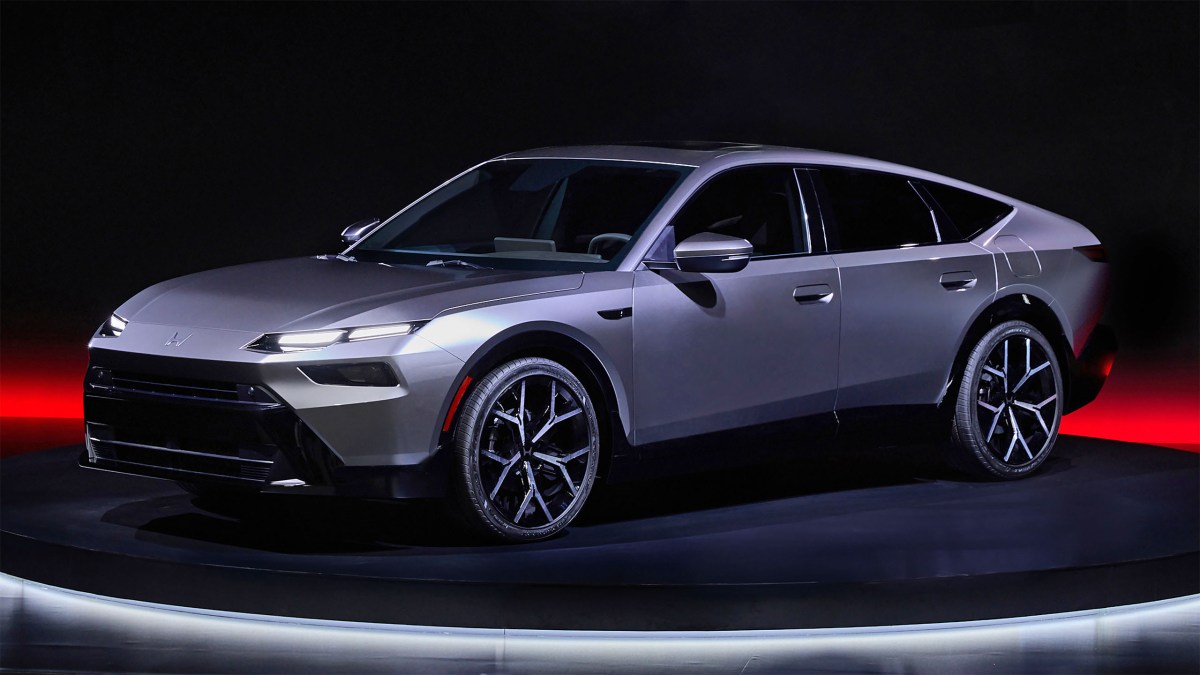
Fifteen hybrid models in roughly four years is an aggressive timeline. Honda has not disclosed which nameplates will get the treatment, but a sedan prototype revealed in May offered some early clues about the design direction. If most of those 15 are U.S.-bound, expect everything from compact cars to SUVs and crossovers to carry hybrid badges.
The timing aligns with a broader industry recalibration. Volkswagen’s CEO Thomas Schäfer admitted publicly that small electric cars remain the toughest part of the business, even with cost-sharing strategies in play. When VW, the company that built its empire on affordable small cars, cannot make the math work on small EVs, the signal is loud.
Honda is reading the same spreadsheet. American buyers have shown consistent appetite for hybrids, which offer improved fuel economy without the range anxiety, charging headaches, or price premiums that still plague battery electrics. Toyota’s hybrid-first strategy, once mocked by EV purists, looks increasingly prescient.
But a $15 billion loss is not something you shrug off. That money funded engineering, tooling, supplier contracts, and talent acquisition for electric vehicles that will now never reach production. Every hybrid Honda launches over the next four years will carry the ghost of that investment on its shoulders.
The question is whether Honda can move fast enough. Building 15 hybrids by 2030 means some of these vehicles are already deep in development, likely adaptations of existing platforms rather than clean-sheet designs. That is fine for speed to market but raises questions about how distinct the lineup will actually feel.
Honda still sells plenty of CR-Vs, Civics, and Accords, so hybridizing the full range makes immediate sense. But competitors are not standing still. Toyota already has hybrid versions across nearly its entire portfolio, Hyundai and Kia are pushing plug-in hybrids hard, and Ford has found a genuine hit with the Maverick hybrid.
Honda once led this space. Reclaiming that position after a multi-billion-dollar detour through an EV strategy that never materialized will require more than just volume. It will require vehicles that remind buyers why Honda earned their trust in the first place.
The first of those 15 models has yet to be officially named or dated.

Share this Story