
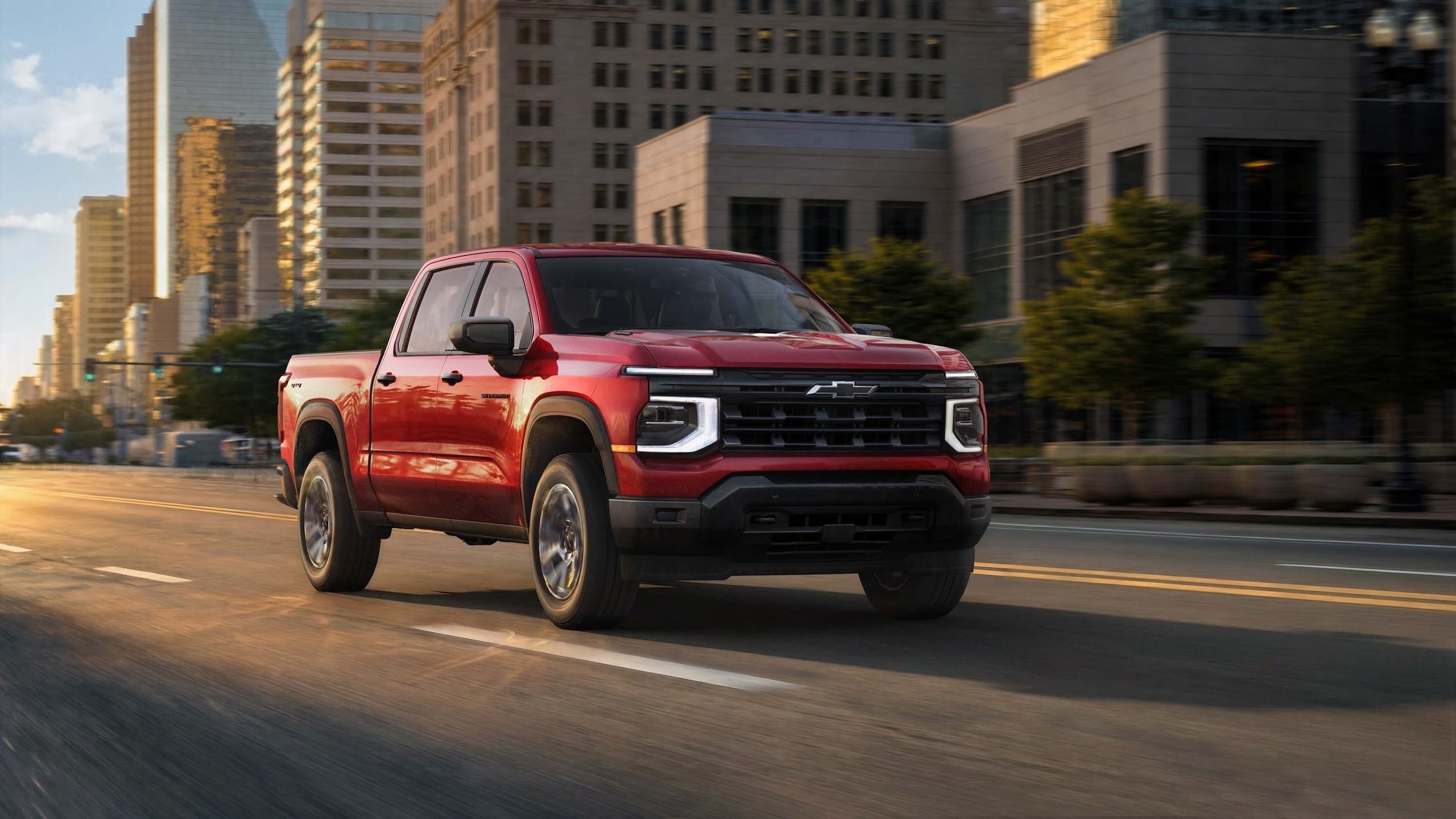


General Motors just told a New York City audience that it plans to send your truck out alone to pick up your dry cleaning. No driver. No occupant. Just a vehicle running errands like a very expensive, very obedient dog.
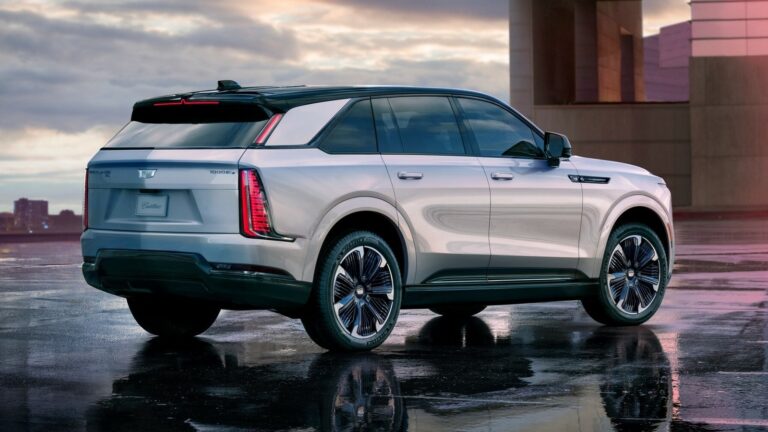
The automaker laid out its autonomy roadmap on Wednesday, and the near-term piece is concrete enough: a refreshed Cadillac Escalade IQ arriving in 2028 with eyes-off highway driving. That means watching a movie from the driver’s seat while the SUV handles freeway traffic. The longer-term piece, branded “Mission Mode,” is where things get wild. GM envisions vehicles navigating surface streets, parking lots, and drive-throughs with nobody aboard.
Chief Product Officer Sterling Anderson was careful to draw a line. “We are not developing L3 autonomy,” he said, referring to SAE’s Level 3 classification that requires a human fallback driver. Anderson called Level 3 “a convenient plug” that made the SAE scale look like a smooth progression when it isn’t. “There’s a valley, and we are skipping over the valley.”
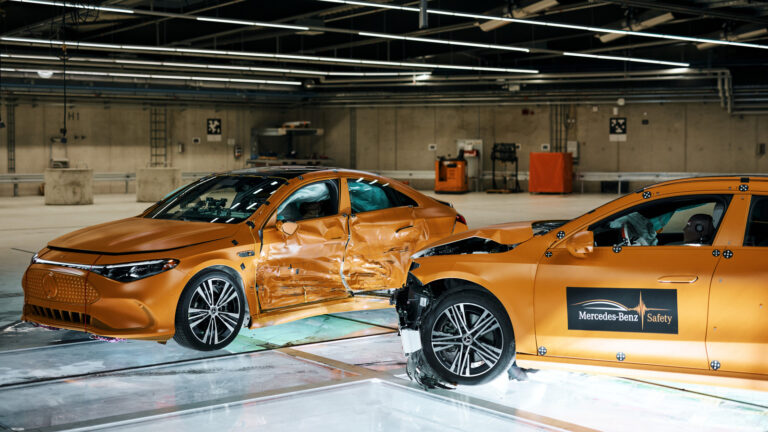
That’s a bold architectural claim. GM is saying it will leap from today’s Super Cruise, a hands-free but eyes-on highway system, past the murky middle ground of conditional automation, straight into something that doesn’t need your attention at all. And eventually doesn’t need you in the car. Mercedes-Benz spent years getting its Drive Pilot Level 3 system certified in Nevada and California, and it works only under 40 mph in heavy traffic. GM is saying that entire approach is a dead end.
The technology path runs through data. GM says thousands of current Super Cruise customers have opted in to share driving information, feeding models that now run more than three billion virtual miles per day in simulation. Matching that output would require roughly 2.5 million cars driving nonstop around the clock.
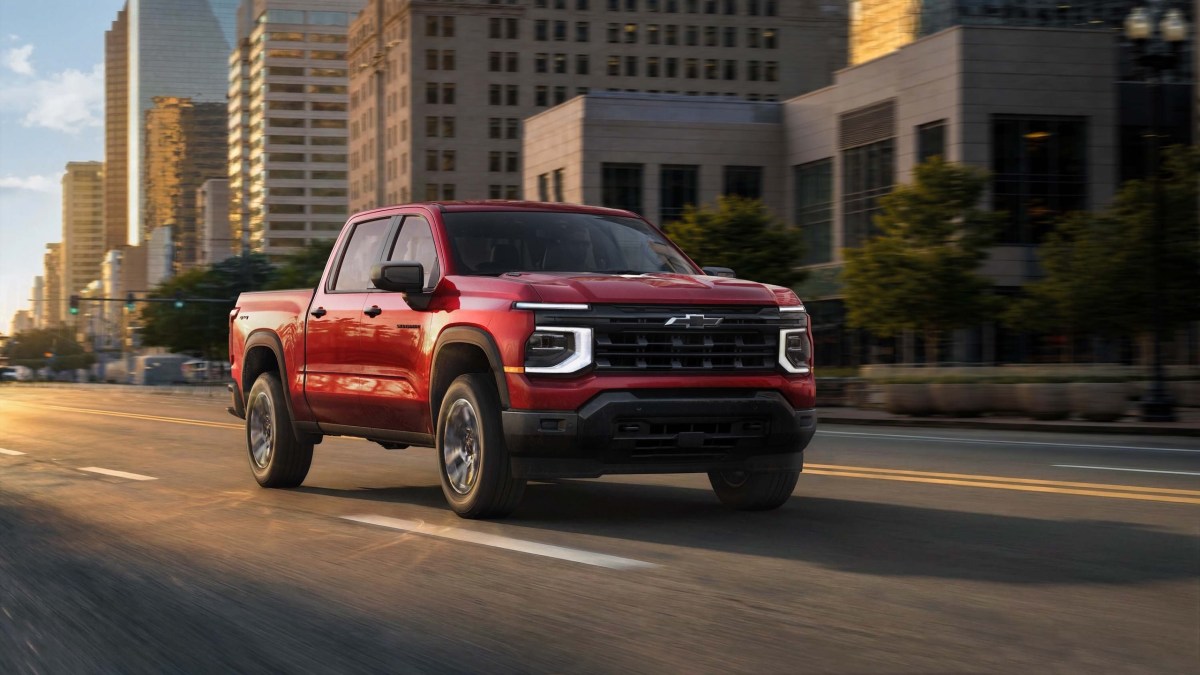
Super Cruise itself has logged over 1.2 billion hands-free miles across nearly 750,000 vehicles. That’s a real-world dataset most competitors cannot touch, and GM clearly intends to use it as the foundation for everything that comes next. After the Escalade IQ gets the eyes-off system, GM plans to push it into gas-powered full-size trucks and SUVs, its highest-margin, highest-volume profit centers.
What GM did not discuss: cost. There was no mention of subscription pricing, one-time purchase fees, or whether Mission Mode would require new hardware on future vehicles. Super Cruise already runs $25 per month after an initial trial period. A system capable of driverless errand runs would presumably command far more, and GM’s silence on the economics speaks volumes about how early this conversation really is.
Head of Human Interface Design Sebastian Bauer framed the pitch around time. “With more time, more freedom, more space in your day, what will you do?” It’s the kind of question that sounds aspirational in a keynote and immediately collides with reality when you consider insurance liability, regulatory approval in 50 states, and the simple question of who’s responsible when an empty Escalade rear-ends a school bus.
GM has a credible data advantage and a clear starting point in 2028. Everything after that is a promise built on simulation miles and volunteer telemetry. Promises in the autonomy business have a well-documented shelf life.
Share this Story