
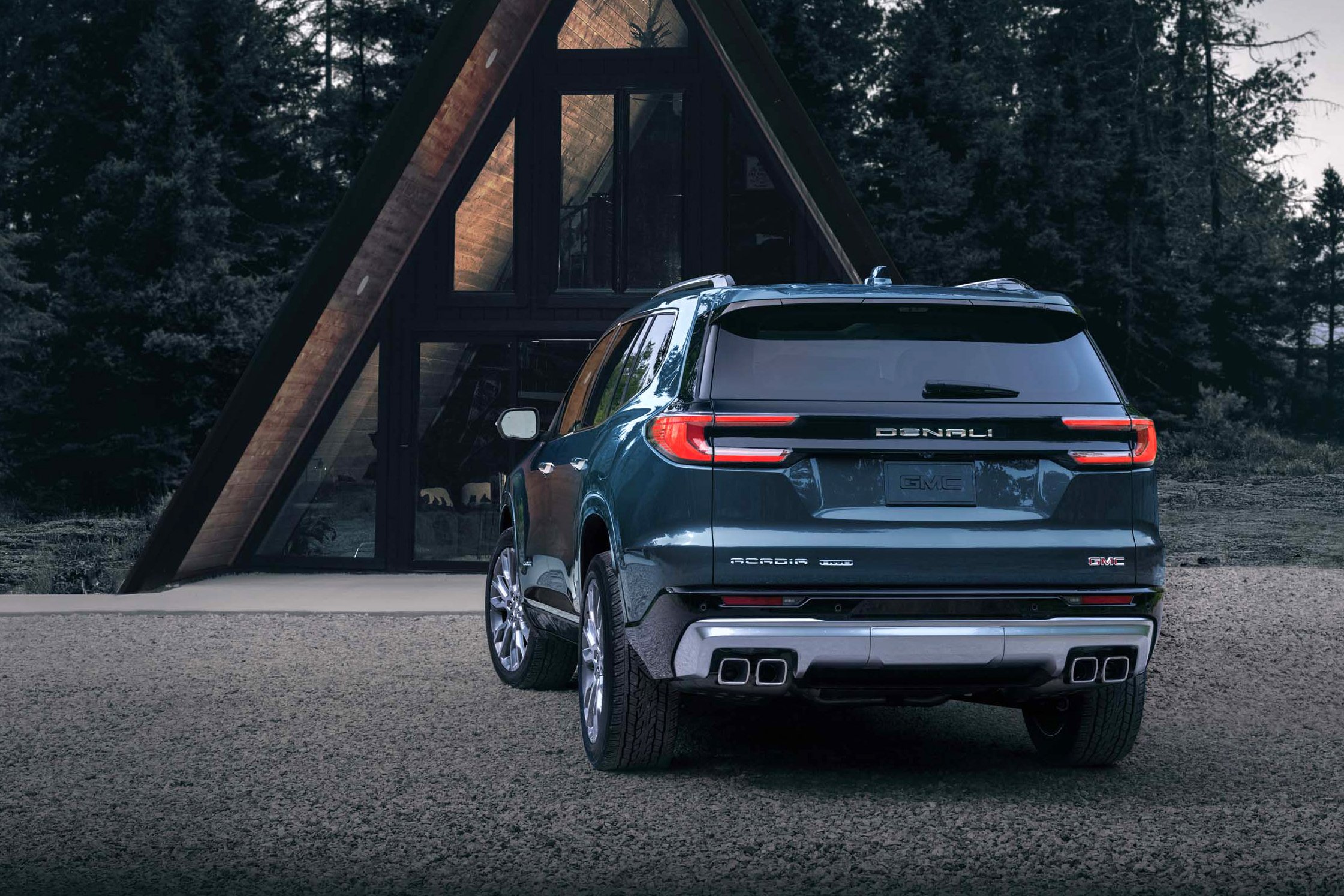


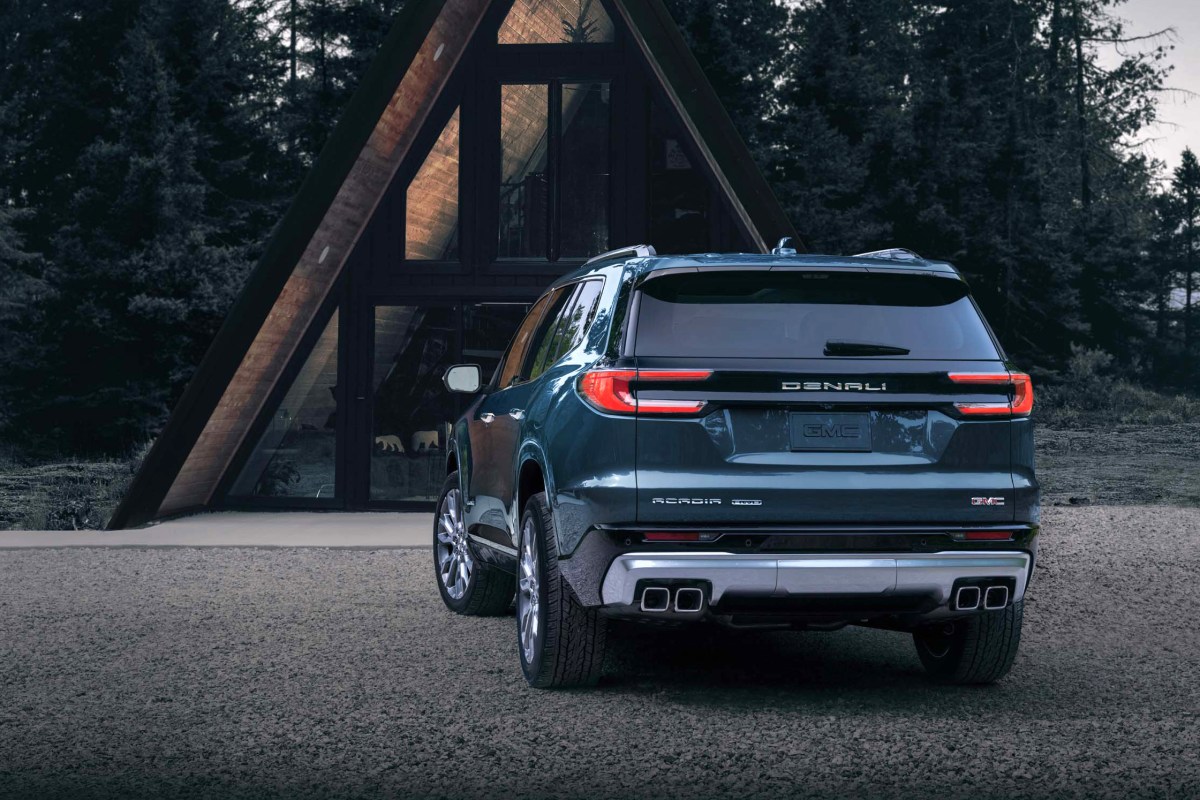
General Motors is putting money into its Lansing Delta Township plant to build hybrid versions of the Chevrolet Traverse, Buick Enclave, and GMC Acadia. The automaker currently sells zero hybrids across its entire brand portfolio, a position that has become increasingly difficult to defend as competitors rake in profits from electrified SUVs.
Dealers have not been quiet about the gap. One dealer representative told Reuters they’ve been asking GM for hybrids “every chance we get.” That kind of language from the retail side usually means frustration has been simmering for years, not months.
The timing lines up with a broader industry forecast from analytics firm Global Data, which projects that by 2031, one in four new cars sold globally will be some type of hybrid. In North America specifically, the appetite for hybrids has been running hot. Buyers want fuel savings without the range anxiety and charging infrastructure headaches that come with full EVs.
GM bet heavily on a pure EV future. The Ultium platform, the factory conversions, the marketing blitz. That strategy made sense when gas prices were surging and Washington was writing big subsidy checks.
It makes less sense now, with EV sales growth flattening domestically and Toyota printing money with its hybrid lineup. GM watched from the sidelines as Ford, Hyundai, and even Stellantis carved out hybrid market share.
The Corvette E-Ray technically has an electric motor, but calling it a hybrid in the traditional sense stretches the definition past its breaking point. It is a performance car with electrified all-wheel drive, not a fuel-economy play for suburban families hauling kids to soccer practice. GM knows this, which is why the Traverse, Enclave, and Acadia are the logical starting point.
These are high-volume, high-margin three-row SUVs that compete directly against the Toyota Grand Highlander Hybrid and Ford Explorer Hybrid. Both of those already exist and sell well.
Elsewhere in Detroit, the news is less encouraging. Ford is recalling 30,000 F-Series pickups, spanning the F-150 through F-450, mostly 2026 models, over a faulty left-side tailgate cable that could snap under load. The fix won’t come quickly.
Ford has so many active recalls stacked up that affected owners may wait three months or longer for a repair. That backlog tells its own story about quality control struggles at Dearborn.
Stellantis, meanwhile, posted a small but meaningful turnaround. Third-quarter adjusted pre-tax earnings hit $285 million, nearly triple the $100 million from the same period a year ago. The company credits aggressive cost-cutting, which is the polite corporate term for layoffs, plant closures, and squeezed supplier contracts.
Investors liked it enough to push Stellantis shares up more than 6% in European trading.
Over in Stuttgart, Porsche’s CFO confirmed that Audi’s upcoming electric sports car will share a platform with the next-generation 718 Boxster and Cayman. Porsche expects cash from Audi’s side of the arrangement, with payment due in 2027. Platform sharing between luxury brands under the same corporate umbrella is nothing new, but Porsche has historically guarded its engineering independence with near-religious zeal.
GM’s hybrid pivot is overdue by at least two years. The question now is whether Lansing Delta Township can get these vehicles to dealerships fast enough to recapture buyers who have already moved on.
Share this Story