
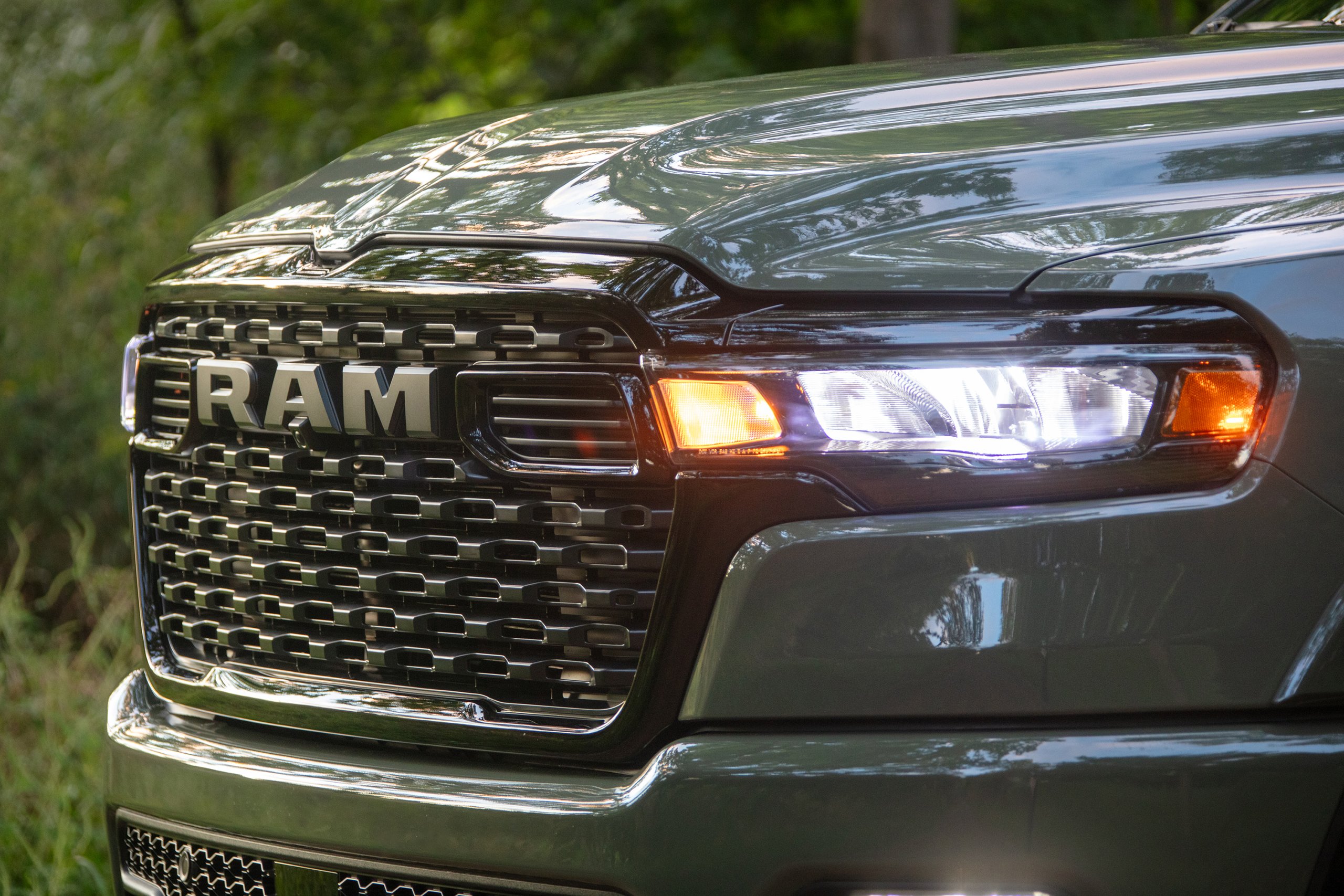


The National Highway Traffic Safety Administration has announced plans to rewrite Federal Motor Vehicle Safety Standard No. 108, the decades-old rulebook governing automotive headlights. The agency’s objectives span glare reduction, modernized lighting technology, improved performance benchmarks, updated testing protocols, and alignment with global standards.
That last item is the one that matters most, even if NHTSA buries it in a list.
Europe has had adaptive, intelligent headlight systems for years. These units can detect oncoming traffic and selectively dim or redirect portions of their beam pattern to avoid blinding other drivers while keeping the rest of the road fully illuminated. The technology works, and it exists right now, bolted onto cars you can buy in Munich or Madrid.
The U.S. technically legalized these adaptive systems not long ago. But NHTSA’s implementation rules diverged so sharply from European regulations that most automakers looked at the compliance cost, shrugged, and decided it wasn’t worth the effort for the American market. The result is a peculiar kind of regulatory failure: permission was granted, but the fine print killed adoption.
Meanwhile, American drivers have spent the last several years getting scorched by ever-brighter LED and laser headlights mounted on ever-taller trucks and SUVs. Complaints to NHTSA about headlight glare have surged. The physics are simple.
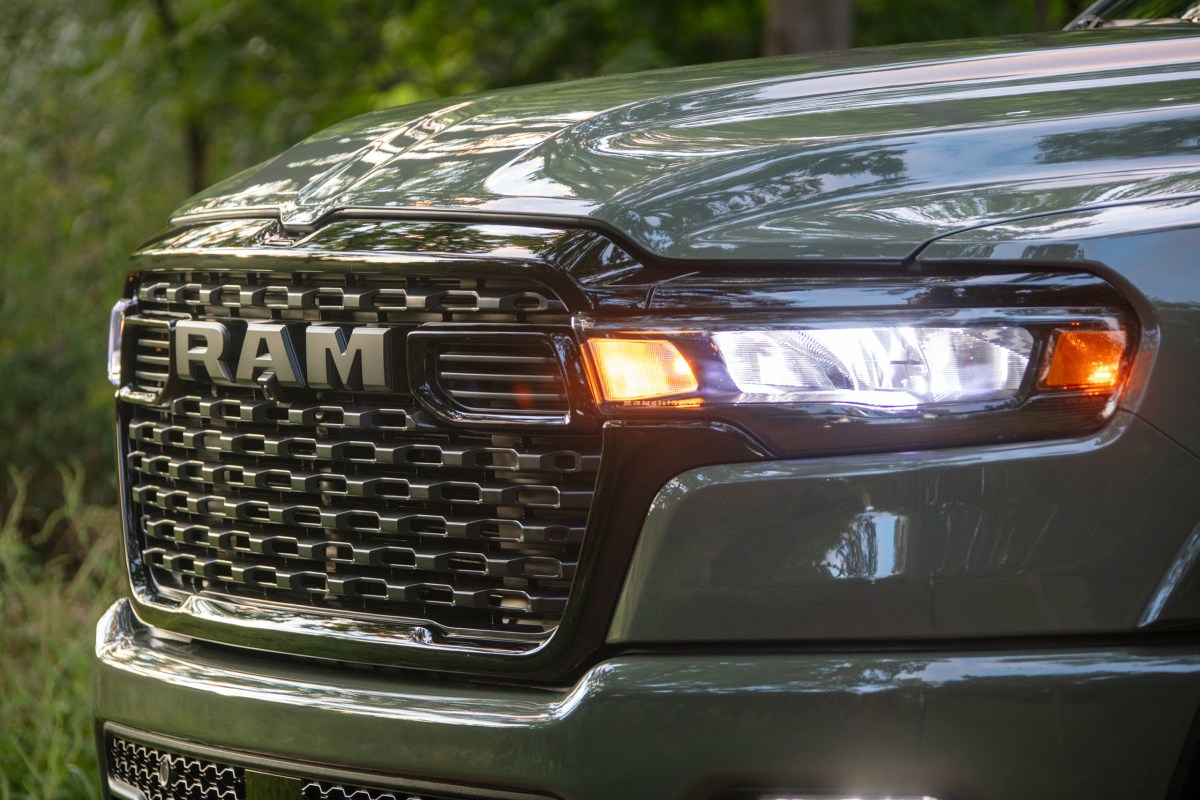
A light source mounted at SUV height fires directly into the eyes of sedan and compact car drivers. Combine that with the raw intensity of modern LEDs, which produce a harsher, bluer light than the halogens they replaced, and you get a nightly arms race on two-lane roads across the country.
The agency’s promise to “address glare” is an acknowledgment, however belated, that its own standards helped create the problem. FMVSS 108 was built for a world of sealed-beam halogen headlamps and has been patched and amended over the years without a fundamental rethink. Automakers, left to operate within that aging framework, optimized for maximum forward visibility on their own vehicles. Whether the oncoming driver could see afterward was, structurally, someone else’s problem.
Harmonizing with global standards would be the fastest path to real improvement. European ECE regulations already account for adaptive beam technology and set tighter limits on stray light. If NHTSA simply adopted compatible requirements, automakers could deploy the same headlight hardware worldwide instead of engineering separate systems for the U.S. market.
That alone would likely accelerate adoption of adaptive headlights across the American fleet within a few model years.
But NHTSA has a long history of announcing ambitious rulemaking timelines and then watching them slip. The agency first signaled interest in updating headlight rules years ago. Bureaucratic inertia, industry lobbying, and shifting political priorities have repeatedly pushed deadlines further out. The current announcement sets objectives without specifying a firm completion date.
Every night that passes without updated standards puts more high-output LED headlights on American roads, installed in vehicles that comply perfectly with rules written for a different era of automotive lighting. The installed base of blinding headlights grows larger with every quarter’s sales figures, and no future regulation will retrofit the millions already out there.
NHTSA says it aims to fix the problem. Drivers squinting through their windshields have heard that before.


Share this Story