
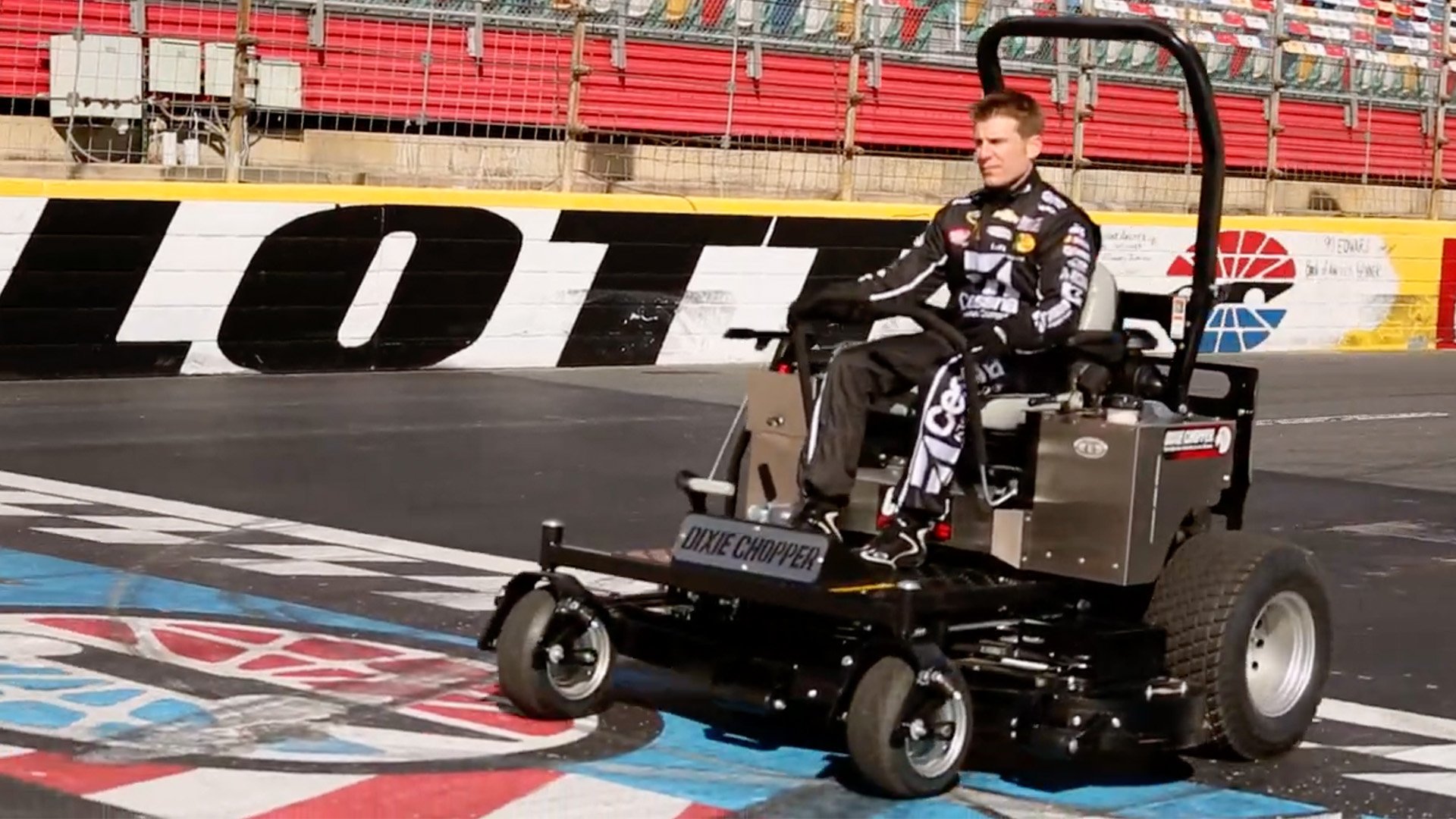


A helicopter engine strapped to a zero-turn mower. That was Dixie Chopper in 1993, and that was the kind of lunacy that made the brand impossible to ignore. Now, parent company Alamo Group has told dealers the whole operation shuts down by April 1, 2027.
The Fillmore, Indiana company spent nearly five decades building a reputation on speed, absurdity, and genuinely tough commercial mowers. Its founder Art Evans once bolted a 150-horsepower Chinook helicopter engine to a zero-turn, then got Tim Allen and Bob Vila to ride it on national television during an episode of Home Improvement. That’s not a marketing strategy you learn at business school. That’s conviction.
Dixie Chopper followed the stunt years with real engineering firsts. The world’s first twin-engined mower. A 50-horsepower turbodiesel model. The Xtreme Mow-chine, which actually cut grass at 15 miles per hour. YouTube is littered with grainy cell phone videos of these machines doing wheelies, and every one of them is better than a Super Bowl ad.
The trouble started when the company left the hands of the people who built it. Dixie Chopper sold to the Jacobsen/Textron family in 2014. Five years later, it changed hands again, landing with Alamo Group in August 2019.
Two ownership changes in five years is rarely a sign of health. It usually means the first buyer couldn’t make the math work and found someone willing to try. Alamo Group apparently couldn’t make it work either. The letter to dealers confirmed a wind-down timeline, not a sale, not a restructuring.
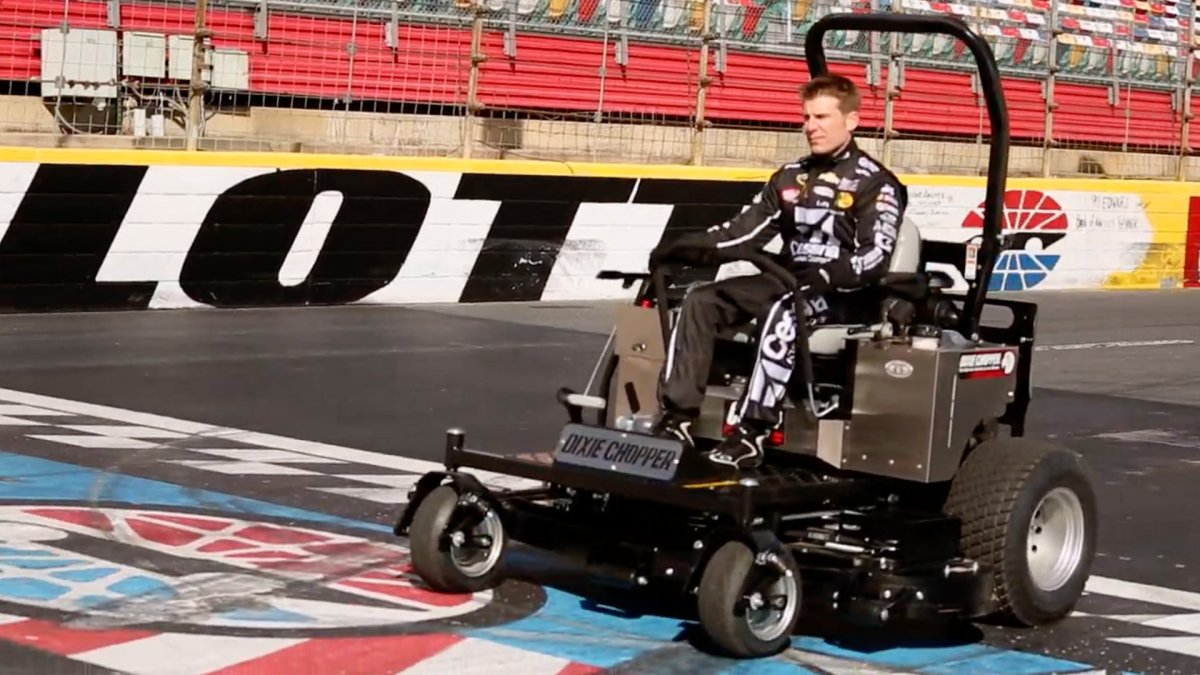
At the time of its closing, Dixie Chopper’s lineup still spanned residential, commercial, and industrial models with up to 40 horsepower. It even offered a 28-hp remote-controlled unit called the Talon R/C with a 44-inch deck. The product wasn’t stale, but product alone doesn’t keep a brand alive when ownership keeps shuffling the deck.
The zero-turn mower market has gotten brutally competitive. Hustler, Scag, Exmark, Bad Boy, and a flood of cheaper imports have squeezed margins for everyone. Dixie Chopper’s name still carried weight in certain pockets of the country, particularly across the Midwest and South where old-timers remember what the brand meant in its prime. Tire shops used to hang signs advertising Dixie Chopper dealerships like a badge of honor.
The real question now is parts. Thousands of Dixie Chopper mowers are still in service on commercial crews and rural properties. These machines were built to last, and many will outlive the company that made them. Whether Alamo Group maintains any parts pipeline after April 2027 remains unclear.
There’s a pattern in American manufacturing where a scrappy founder builds something with personality and guts, then a conglomerate buys it, strips the soul, and watches it flatline. Dixie Chopper fits that pattern uncomfortably well. Art Evans put a helicopter engine on a lawn mower because he could. The corporate parents who followed him couldn’t even keep the lights on.
Somewhere in a barn in southern Indiana, one of those original machines is probably still running.


Share this Story