
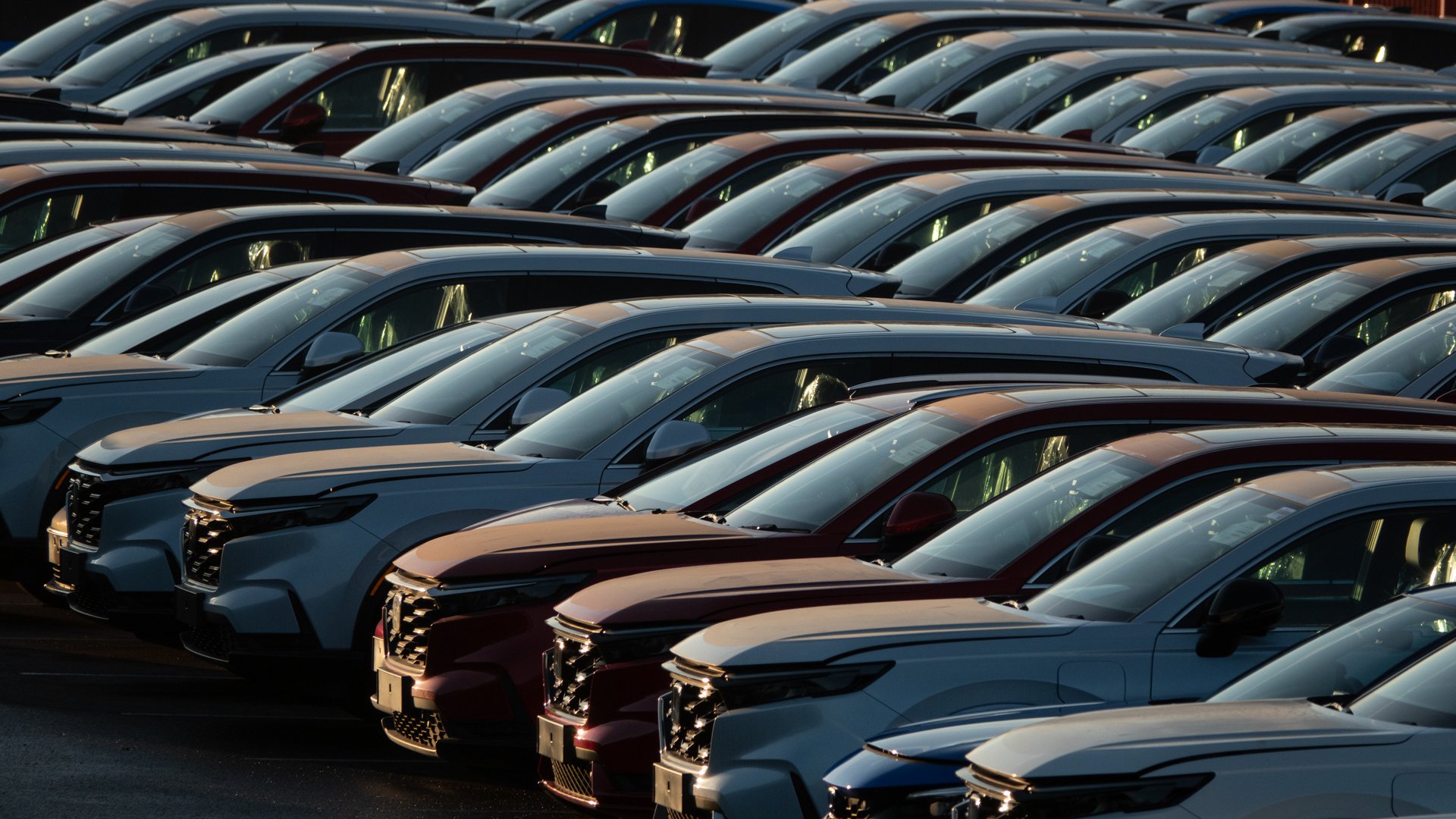


The average marketed price of a new car hit $51,974 on June 30, smashing a record that had stood since July 2023. That old mark, $51,820, survived nearly three years before dealers blew past it — at first by a single dollar on June 26, then by another $154 over the following four days.
These aren’t sticker prices set by automakers. This is what franchised dealers are actually advertising on their websites, discounts already baked in. The data, reported by Automotive News, tracks 133 nameplates from dealer sites across the country, covering most of the market but excluding direct-sale brands like Tesla, Rivian, and Lucid.
Compared to the same day a year earlier, the average asking price climbed $2,421 — a 4.9 percent jump. Month over month, it rose $314. In a market where the average new-car transaction price already hovers around $50,000 and some dealers have resorted to stocking salvage-titled vehicles because their customers can’t afford anything else, the direction of travel is striking.
The sharpest increases hit the segments you’d least expect to carry premium markups. Compact sedans — the vehicles people buy specifically because they want something affordable — saw the biggest year-over-year spike: $2,869, or 12 percent. That number tells two stories simultaneously. Buyers are clearly hunting for cheaper new cars, which is pushing demand into the sedan space. And it’s the same gravitational pull that has Detroit’s automakers whispering about bringing sedans back after years of abandoning them.
Among individual nameplates, the Kia Telluride jumped 16.4 percent and the Toyota RAV4 climbed 15.7 percent. Both were recently redesigned, and strong demand for fresh sheet metal gives dealers room to hold firm on price. Of the 133 models tracked, 99 saw increases, though some were negligible — the Nissan Rogue crept up just 0.2 percent.
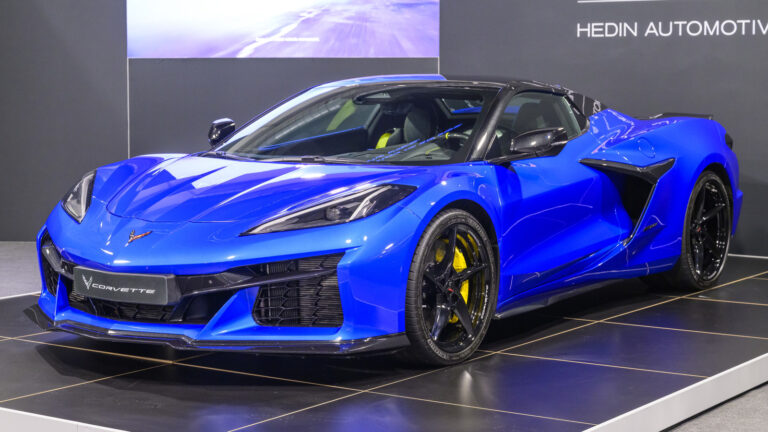
Price drops existed, but mostly in corners of the market few shoppers visit. Convertibles fell 9.8 percent. Minivans dropped 3.2 percent. Full-size luxury SUVs and so-called “luxury vans” also declined, though lumping the latter into its own segment is a generous use of the word “segment.”
The Hyundai Ioniq 5 stood out with a 17 percent price decrease, the steepest decline on the list. The Jeep Wrangler fell 4 percent. Both reflect softer demand — the Ioniq 5 competing in an EV market still fighting consumer hesitation, the Wrangler facing a buyer base that has been stretched by years of aggressive pricing.
The pandemic-era pricing frenzy was supposed to be temporary — a function of chip shortages and thin inventory. Inventory has recovered. The prices haven’t come back down.
Five segments posted average decreases. Ninety-nine nameplates went up. Dealers are testing what the market will bear, and the market keeps bearing it — or at least enough of it does. The customers who can’t are being pushed toward used cars, salvage titles, or simply out of the market altogether.
That $51,974 number is an average. Plenty of vehicles on dealer lots carry prices well above it. And if the last three years are any guide, the record won’t last long.
Share this Story