
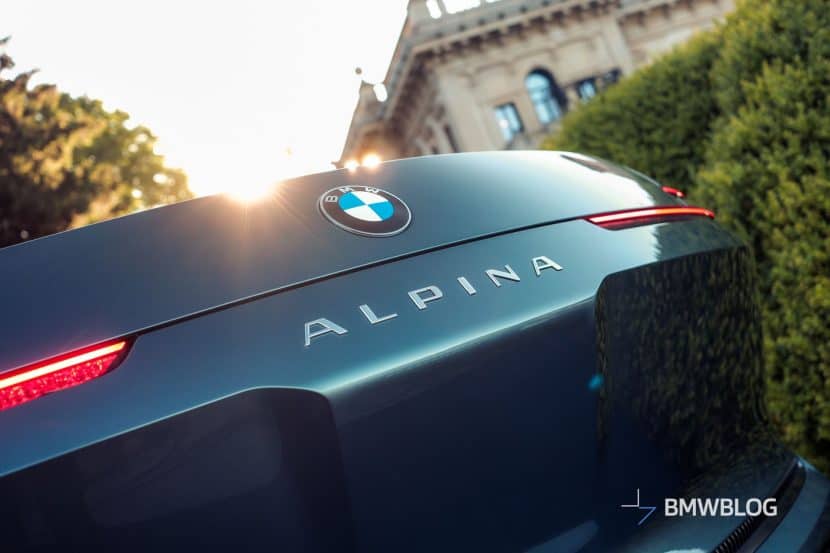


BMW spent decades letting ALPINA operate as a genteel independent tuner in Buchloe, building small-batch sedans and SUVs with hand-finished interiors and a devotion to ride quality over lap times. That era is over. The first two products born under BMW’s full ownership — the 2027 ALPINA B7 and XB7 — reveal exactly what the acquisition was really about: building a weapon aimed squarely at Mercedes-Maybach.
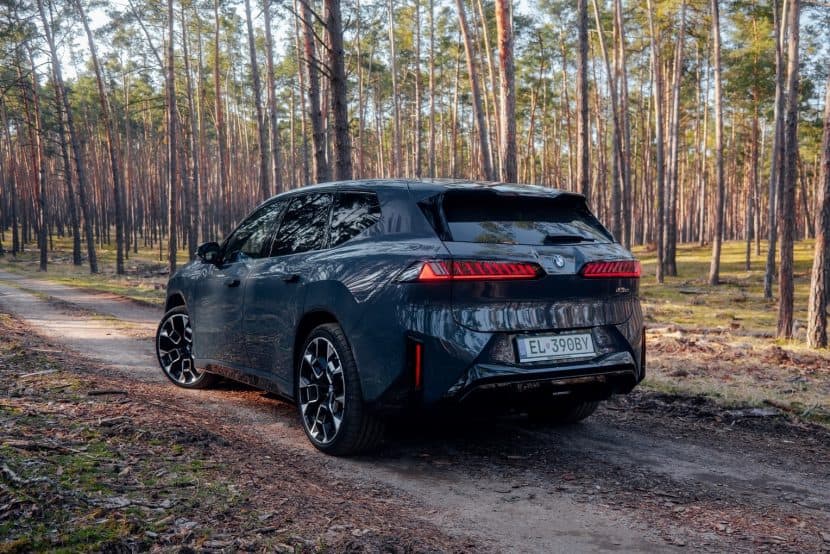
The B7, internally designated G72, rides on the facelifted 7 Series platform. The XB7 sits on the next-generation G67 X7. Both were designed and engineering-locked before BMW’s flashy ALPINA Concept broke cover, which means the concept’s specific styling won’t show up on either production car.
What will carry over is the formula that made ALPINA matter in the first place: bespoke wheels, upgraded leather and trim, refined body treatments, and a chassis calibrated for boulevard comfort rather than Nürburgring heroics. BMW calls this new positioning a “Luxury Layer” — above the standard 7 Series, below Rolls-Royce. That’s a product strategy built to occupy the exact space Mercedes carved out with Maybach over the past decade.
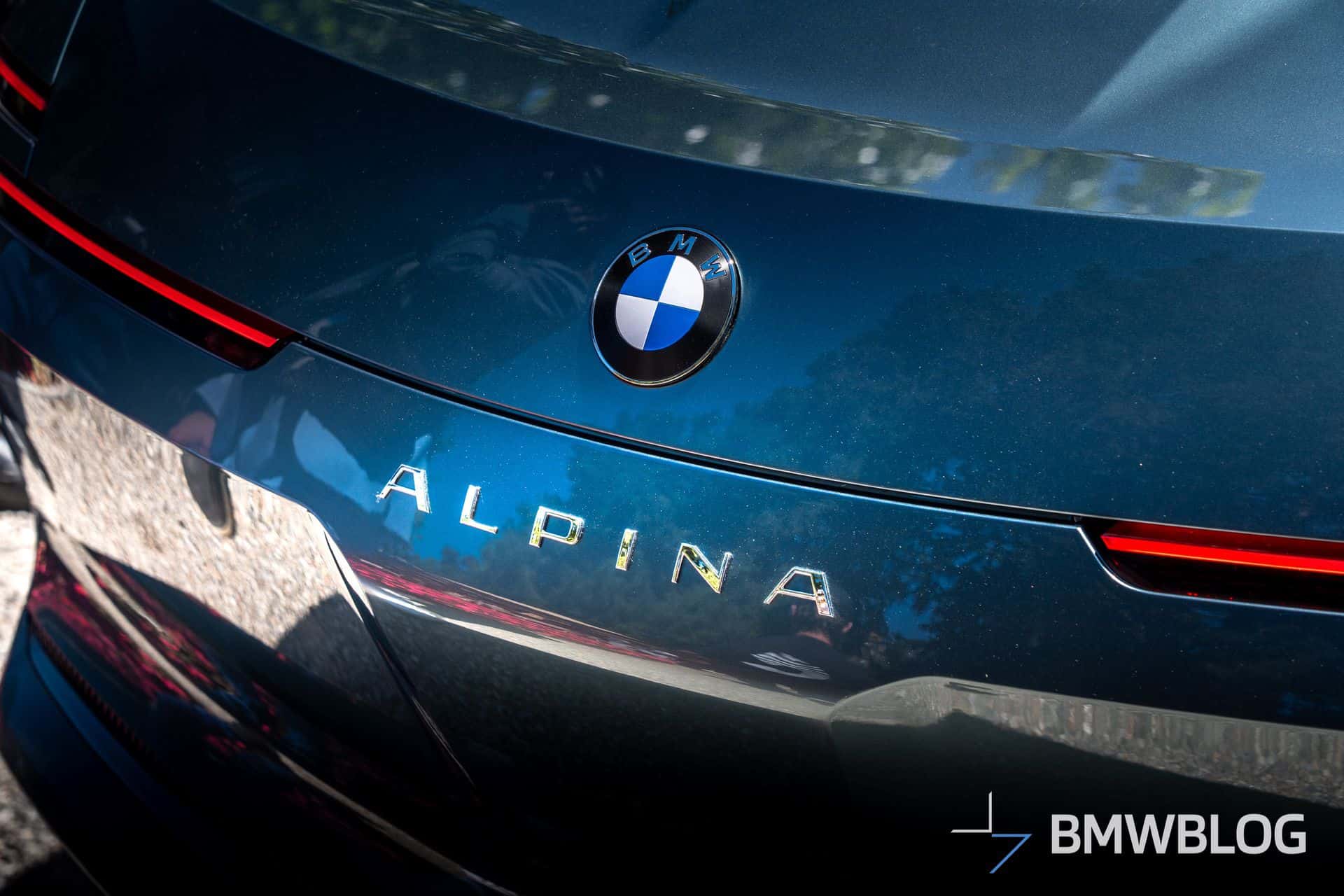
The powertrain lineup tells its own story. The B7 is expected with both six- and eight-cylinder options. The inline-six model likely draws from the 740, which starts at $101,350 in rear-drive form and $104,350 with xDrive in the current U.S. lineup, putting the ALPINA well into six-figure territory before checking a single option box.
The V8 angle is where things get genuinely interesting. BMW killed the 760 and its eight-cylinder from the current 7 Series range entirely, but an M-branded V8 flagship is confirmed for 2027. The smart money says M760 as a name and the S68 twin-turbo V8 under the hood.
An ALPINA B7 with the same engine, tuned for waft instead of aggression, would give BMW two distinct eight-cylinder flagships occupying completely different emotional spaces. That’s a page ripped directly from Mercedes, which runs both AMG and Maybach versions of the S-Class simultaneously.
One question BMW hasn’t answered: wheelbase. Mercedes stretches the Maybach S-Class beyond the standard car for extra rear legroom, a clear signal that the back seat is the point. BMW may not need to bother.
The G70 7 Series already spans 3,215 mm between the axles — 126.5 inches — which is segment-leading real estate. Cutting a new floor pan costs serious money, and the existing dimensions already deliver a rear compartment that embarrasses most competitors.
A fully electric B7 based on the i7 doesn’t appear to be in the initial plans. ALPINA will lean on combustion power first, which tracks with the brand’s traditional buyer profile and the reality that ultra-luxury EV demand has cooled considerably from its 2022 peak.
After the B7 and XB7 launch, a Maybach GLS rival designated G69 follows in 2028. That extends ALPINA’s reach into the full-size luxury SUV segment where Mercedes has been printing money with almost no direct competition.
BMW didn’t acquire ALPINA for nostalgia. It acquired a brand name, a reputation, and a positioning slot it couldn’t credibly fill with any badge it already owned. M is too aggressive, Rolls-Royce is too rarefied, and ALPINA threads the needle — if BMW can resist the urge to over-engineer the exclusivity out of it.
The first two cars will tell us whether the company understands that distinction or simply bought a logo.
Share this Story