
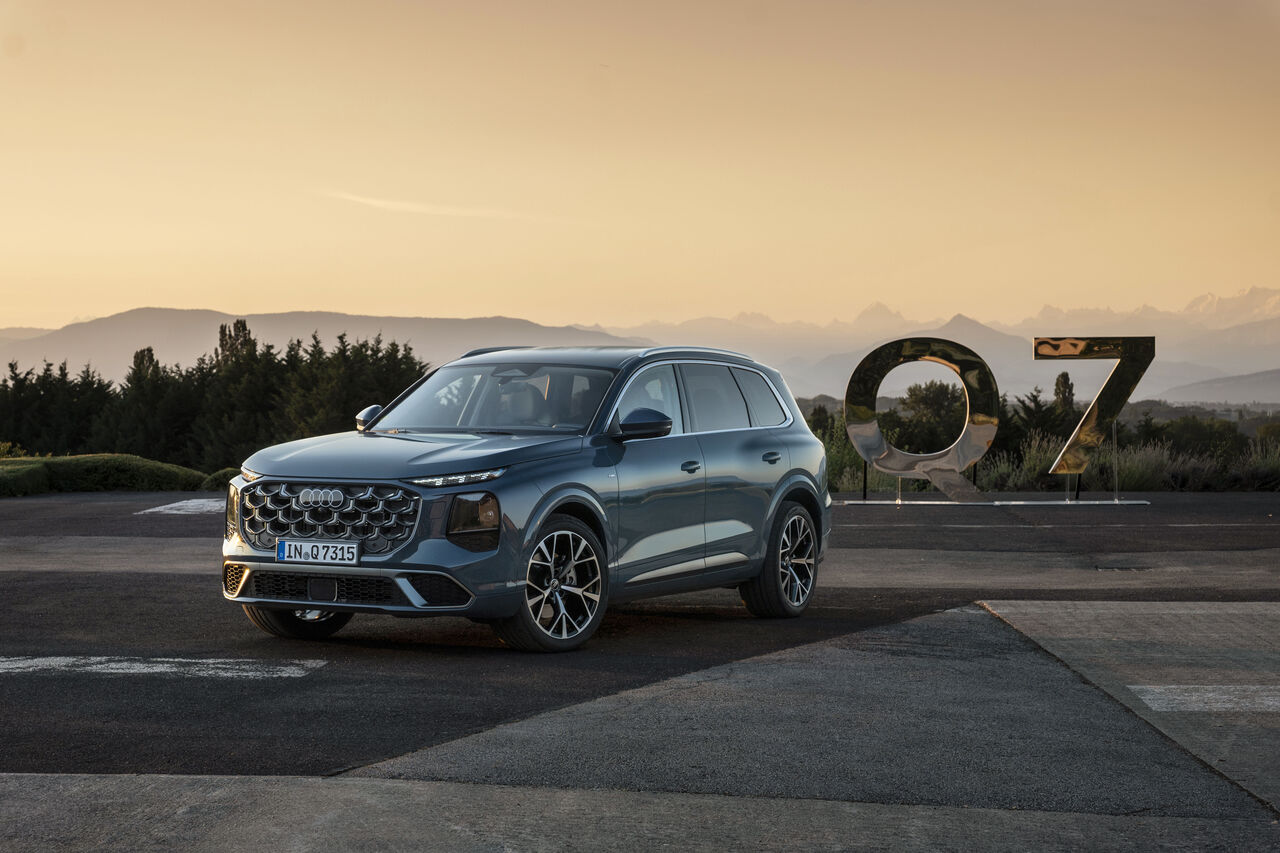


The Audi Q7 just did something no production car has done before. It scored 100 percent in Euro NCAP’s Post-Crash Safety category, a metric that measures what happens in the minutes after a crash, not during one.
That distinction matters more than the five-star overall rating, which has become so common among premium vehicles that it barely qualifies as news. The post-crash score is different. It evaluates whether a vehicle can summon help, whether doors still open, whether seat belts can be unbuckled, and whether rescue crews have the information they need to cut someone out of a wreck without hitting a high-voltage cable.
Euro NCAP introduced the Post-Crash Safety category to push manufacturers beyond the traditional obsession with crumple zones and airbag deployment timing. The protocol checks automatic emergency calling, the quality of data transmitted to dispatchers, and physical access to occupants when the car’s electrical system is dead. The Q7 swept every sub-category.
Audi’s connect emergency call system triggers automatically after a serious collision. It transmits the legally required minimum data set, then goes further, sending vehicle brand, model, color, and supplemental GPS coordinates. It supports multilingual communication and can route a callback to a paired mobile phone. That kind of detail can shave minutes off response times when a car is upside down in a ditch off an unfamiliar road.
The multicollision brake is a quieter piece of the puzzle. Crash sensors detect an impact and can bring the vehicle to a stop without driver input, engage the parking brake, and flip on hazard lights. The goal is preventing the second hit, the one that often kills. Drivers can override it, but the default behavior assumes they may not be conscious.
Then there’s the unsexy but critical rescue information layer. Audi publishes vehicle-specific rescue data sheets and guides that tell firefighters exactly where to cut, where the fuel lines run, and where structural reinforcements sit. For EVs and hybrids sharing platforms, this kind of transparency is becoming essential. The Q7 earned full marks here too.
Euro NCAP’s protocols have grown more demanding in recent years, layering on requirements for vulnerable road user protection, active safety systems, and now post-crash performance. Manufacturers that once gamed the test with airbag tuning and structural optimization now face a broader evaluation. Scoring five stars in 2026 is harder than scoring five stars in 2018.
Audi says the Q7 reflects a safety philosophy that spans prevention, protection, and rescue. That language is corporate boilerplate, but the test results are not. A perfect post-crash score requires engineering decisions that happen far from the marketing department, things like ensuring mechanical door release mechanisms work after a full battery failure, or designing belt buckles that function under load when the car is deformed.
The Q7 is in its third generation, a large SUV that seats up to seven. It has always tested well. But this result sets a benchmark that every competitor in the segment will now be measured against.
Audi currently holds top NCAP ratings across multiple models, including the A6 e-tron’s recent IIHS TOP SAFETY PICK+ in the U.S. Whether that translates to buying decisions is another question entirely, but for the engineers in Ingolstadt, the scoreboard just changed.
Other manufacturers are watching. The next round of Euro NCAP results will tell us how quickly they respond.
Share this Story