
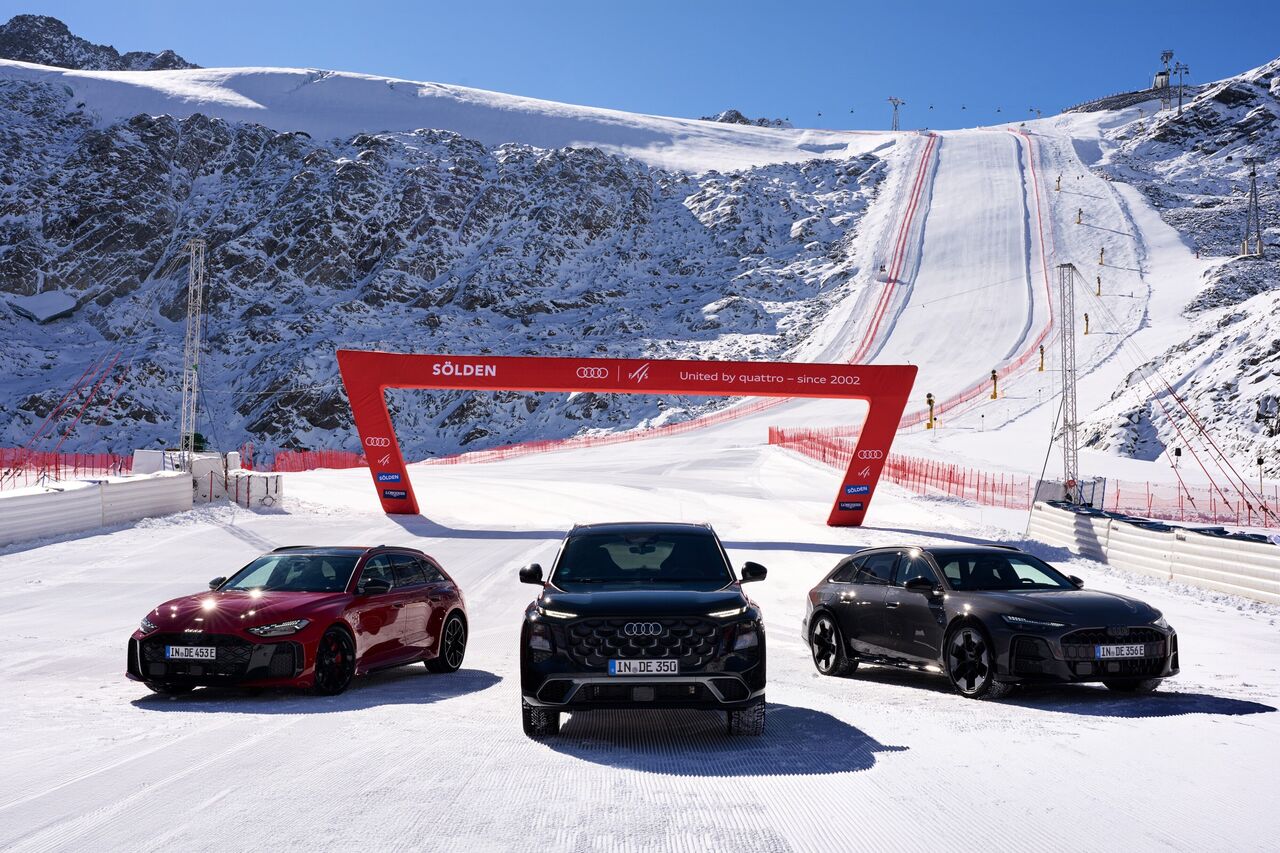


Audi has renewed its title sponsorship of the FIS Ski World Cup through the end of the 2029/2030 season, extending a relationship that stretches back to 2002. The deal keeps the four rings as the exclusive automotive brand across all international alpine competition venues, TV broadcasts, and social media coverage for both the women’s and men’s circuits.
The contract also covers the FIS Alpine Ski World Championships in 2027 and 2029. Those are two events that historically deliver outsized viewership in European markets where Audi fights tooth and nail against BMW and Mercedes for premium buyers.
What makes this renewal worth watching is the scope creep. Audi isn’t just re-signing the same deal. The company is simultaneously expanding its partnership with the German Ski Association, a relationship dating to 1984, by adding four new disciplines starting in the 2026/27 season: biathlon, ski jumping, cross-country skiing, and Nordic combined.
Biathlon is the headliner in that group. It draws some of the largest winter sports audiences in Germany and Scandinavia, regularly pulling TV numbers that rival top-flight football in certain Nordic markets. Audi had left that territory untouched for decades, and now it’s moving in.
The timing lines up with Audi’s broader push to keep traditional brand-building channels alive while it navigates one of the rockiest transitions in its history. The company is deep into its electric pivot, with the Q6 e-tron and A6 e-tron rolling out across markets, but combustion models still drive the bulk of revenue. Winter sports sponsorships let Audi hammer its quattro all-wheel-drive heritage, a selling point that resonates whether the powertrain runs on electrons or gasoline.
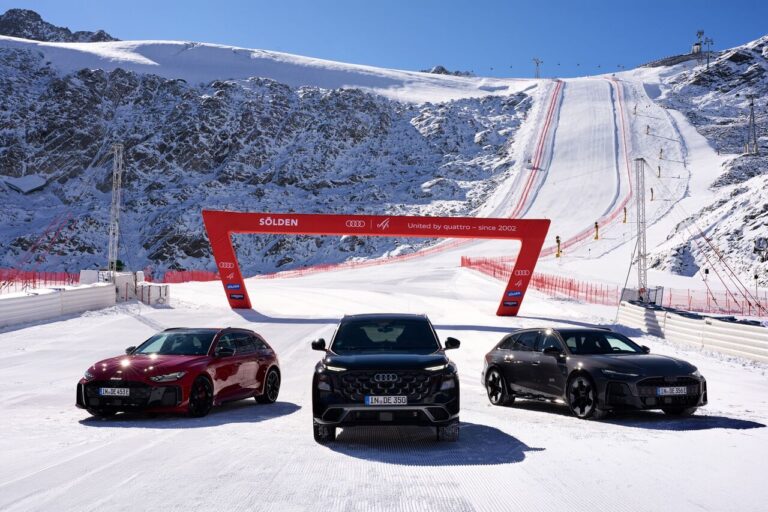
Audi will continue supplying vehicle fleets to FIS events, with quattro-equipped models handling athlete and official transport across mountain venues. It is a walking billboard in the most literal sense, with cars parked at finish lines and start gates across the Alps.
The company also confirmed extensions with national ski federations in Italy, Austria, Finland, Norway, Sweden, Slovenia, and France. That’s a wide net. It effectively walls off the alpine and Nordic competitive calendar from rival automakers, giving Audi near-total dominance in premium automotive visibility across European winter sports.
BMW, which sponsors the International Biathlon Union at the global level, now faces Audi encroaching on the discipline through national federation deals. The German market, where both brands sell aggressively, is where that friction will be felt most directly.
For FIS, the renewal is a vote of confidence at a time when the federation has been working to modernize its media strategy and grow digital audiences. Audi’s continued investment, and willingness to expand into new disciplines, suggests the numbers still justify the spend.
Twenty-four years into this partnership, Audi is not pulling back. It’s doubling down. Whether that reflects genuine marketing ROI or institutional inertia is a question only Ingolstadt’s accountants can answer, but the contract is signed, the fleet is ready, and when the gates open in Sölden this fall, the branding will be exactly where it has been since 2002.
Share this Story