
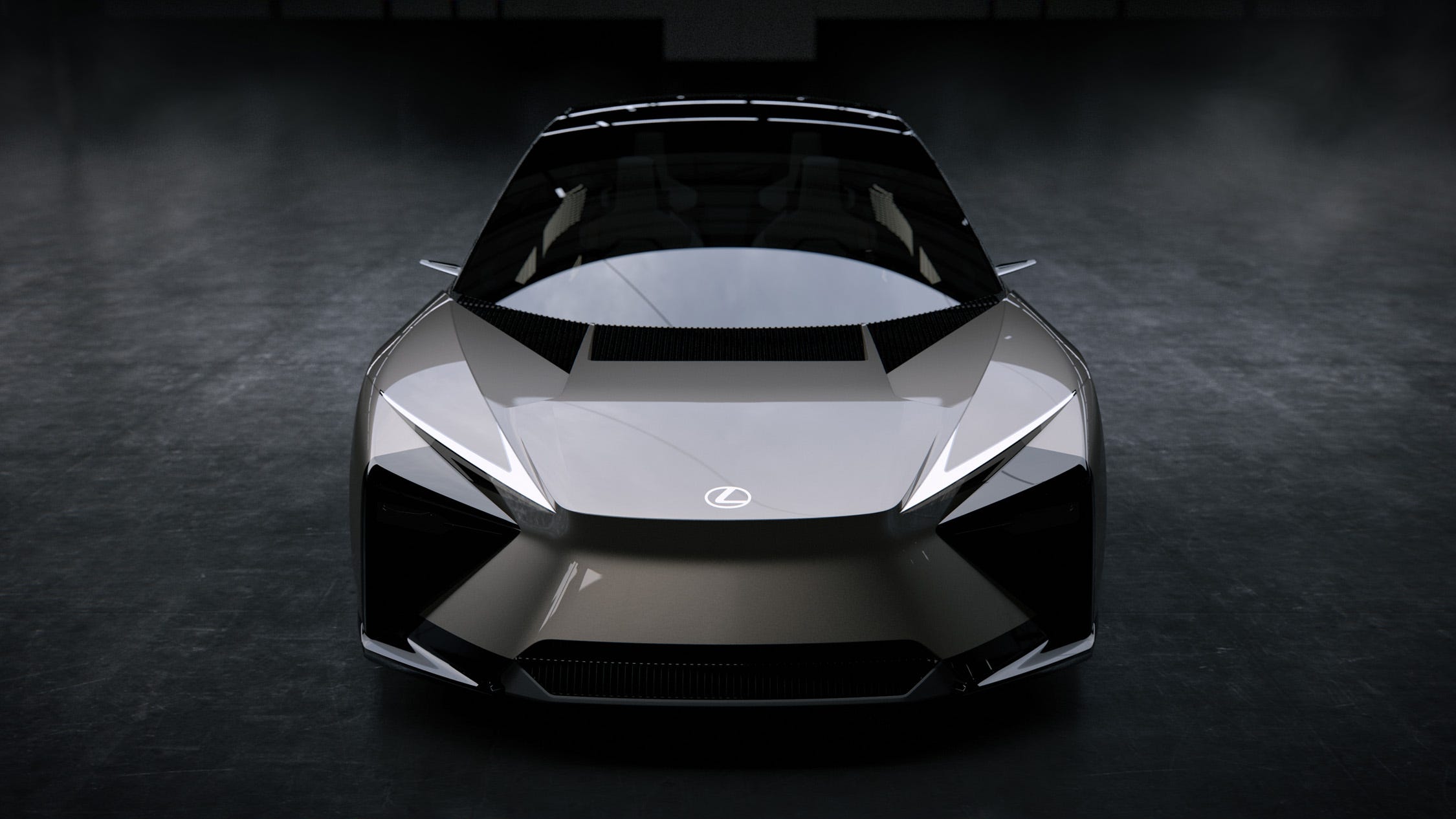


The LF-ZC is dead. Lexus has canceled production plans for the electric sedan concept it revealed with great fanfare at the 2023 Tokyo auto show, according to Automotive News. The car was supposed to be in production by now.
A Lexus spokesperson confirmed to AN that the company scrapped the project after “taking into account fluctuations in market demand and the workload associated with vehicle planning and manufacturing.” That’s corporate speak for: the math didn’t work and the customers aren’t there.
The LF-ZC was supposed to be the real deal. Not another compliance car, not a warmed-over hybrid platform with a battery bolted on, but a genuine next-generation electric flagship riding on an entirely new architecture. It promised dramatically more power-dense battery packs and was positioned as proof that Toyota’s luxury division was serious about an electric future.
Three years later, that seriousness has evaporated.
When pressed by Car and Driver, Lexus wouldn’t even confirm the cancellation directly, instead issuing a statement about how it “routinely and continuously review and evaluate our product plans.” The kind of non-denial denial that tells you everything you need to know.
The timing is particularly revealing. Just weeks ago, Lexus unveiled the electric TZ, a three-row SUV that rides on Toyota’s existing TNGA-K modular platform rather than a bespoke EV architecture. Lexus is retreating from the expensive, ground-up EV development that the LF-ZC represented and falling back on cheaper, more familiar engineering. Shared platforms, reduced risk, and an easier path to profitability in a market that hasn’t rewarded EV pioneers the way they expected.
Toyota has been the most vocal skeptic of a rapid EV transition among major automakers, and the LF-ZC’s cancellation fits neatly into that narrative. The company has consistently hedged its bets, championing hybrids and hydrogen while competitors poured billions into battery-electric platforms. Now, with EV demand growth cooling and price wars eroding margins, Toyota looks less like a laggard and more like the only one who read the room correctly.
But there’s a difference between being cautious and retreating. Lexus insists the LF-ZC’s death doesn’t mean it has “given up on developing next-generation BEVs.” But the brand’s most ambitious electric vehicle is now a footnote, replaced by an SUV built on a platform designed in the combustion era. That’s not a pivot — that’s a surrender of ambition dressed up as strategic flexibility.
The broader pattern across the industry is impossible to ignore. Automaker after automaker has quietly shelved or delayed aggressive EV plans over the past 18 months. Ford scaled back. GM pushed timelines. Mercedes softened its targets. Lexus joins a growing list of brands that made bold promises on stage and walked them back in boardrooms.
What Lexus has left in the electric space is the new TZ and the existing RZ, neither of which qualifies as the kind of technological statement the LF-ZC was supposed to make. The brand that once defined Japanese luxury with the original LS now finds itself without an electric answer to the Mercedes EQS, the BMW i7, or anything in Porsche’s Taycan lineup.
The LF-ZC concept looked stunning in Tokyo. It will stay that way — frozen in time, a beautiful car that existed only as a promise. And in 2025, promises about electric cars are the cheapest currency in the industry.
Share this Story