
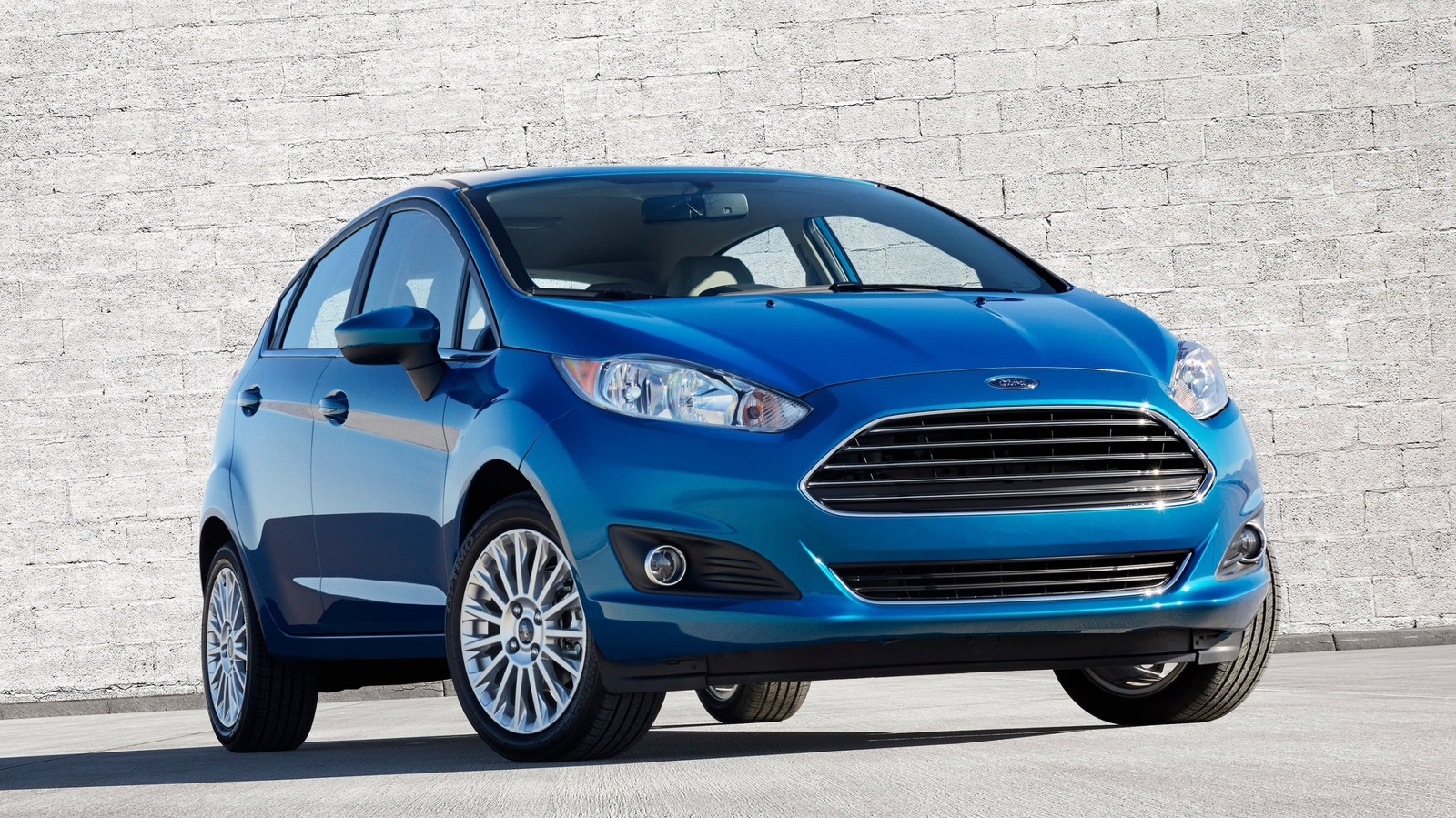


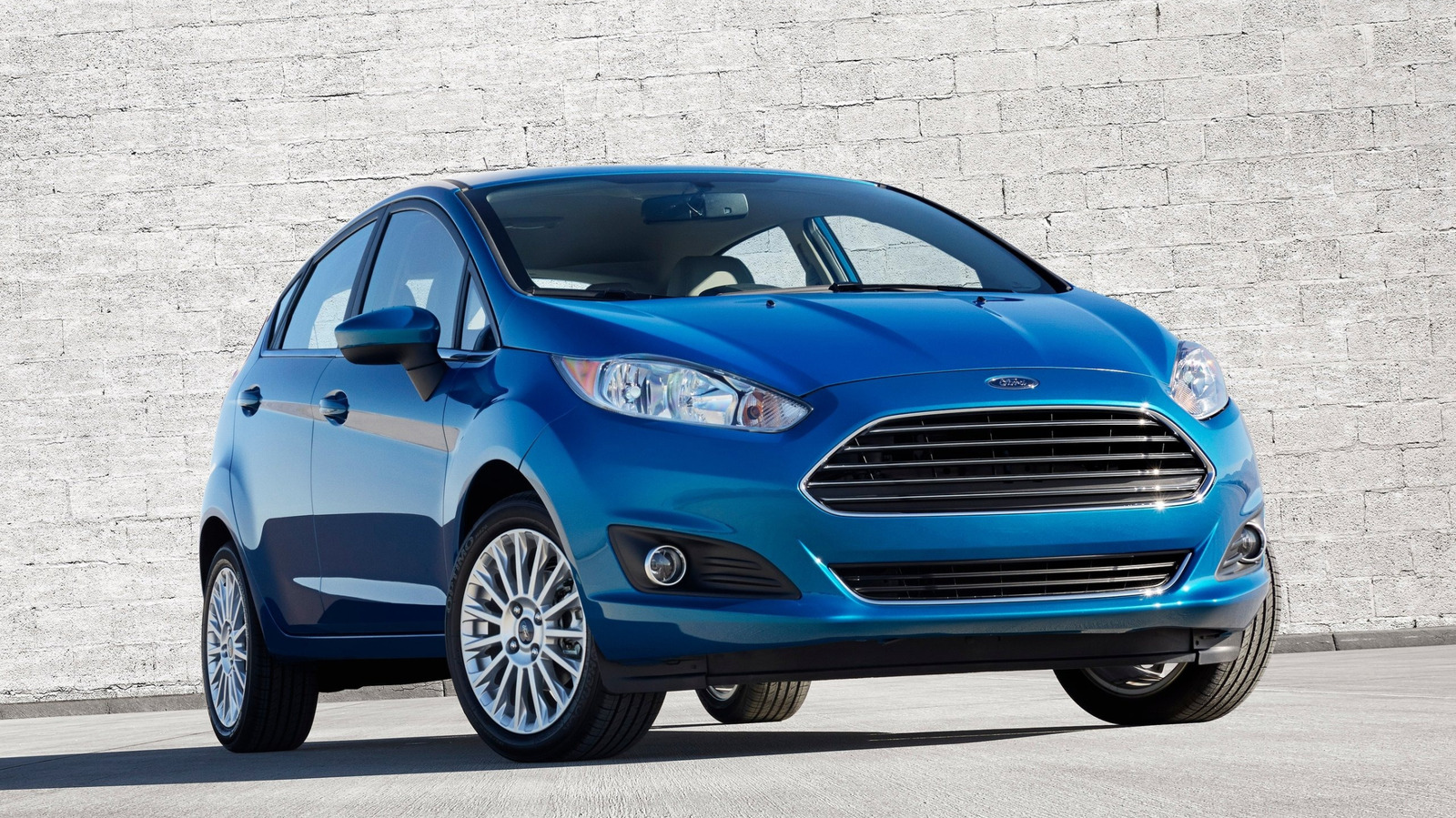
The cheapest new car you can buy in the United States right now is the 2026 Hyundai Venue at $22,150 including destination. Not a single automaker offers anything below twenty grand. That floor didn’t exist five years ago, and it barely existed three years ago.
Now it’s just the way things are. A New York Times investigation published this month lays the blame squarely on a K-shaped economy that has made selling affordable cars a money-losing proposition.
The argument is straightforward and damning. Decades of wage stagnation for typical workers, combined with soaring stock portfolios and home equity for the top earners, created a customer base that automakers find far more attractive than the bottom 40 percent of Americans by income. Why build a thin-margin econobox when you can bolt massaging seats and a 14-speaker Bang & Olufsen system onto an F-150 and charge nearly $90,000?
Ford is the case study that writes itself. A basic F-150 in 1990 cost roughly $29,000 in today’s dollars. The 2026 F-150 XL, a two-door stripper with crank windows and a vinyl bench, starts at $42,125.
That’s not just trim-level creep at the top of the range. The floor itself rose by nearly 45 percent in real terms. Ford didn’t just chase wealthy buyers upward — it dragged the entry point with it.
The median American worker earns $43,222.81 a year, according to the Social Security Administration. That’s not the bottom quartile. That is the middle.
The base price of an F-150 now roughly equals an entire year of median wages before taxes, insurance, food, or rent. The math is brutal and obvious, yet the industry keeps building for the household pulling $250,000 — which, for the record, puts you in the top 10 percent whether you feel rich or not.
What fills the gap is a used car market that has itself inflated grotesquely. People are white-knuckling aging vehicles because the alternative doesn’t pencil out. Online forums and comment sections are filled with owners clinging to 2008 Hondas with 200,000 miles, 2010 Scions past their expiration date, and decade-old BMWs won on game shows.
They aren’t nostalgists. They’re rational actors doing the only arithmetic that works.
The protectionist angle matters here too, though it’s uncomfortable terrain for both political parties. Chinese automakers are building competent electric vehicles that retail for the equivalent of $10,000 to $15,000 in other markets. Tariffs keep them out of the U.S., which protects Detroit’s margins but does nothing for the family in Ohio deciding between a transmission repair and groceries.
Automakers will tell you that safety regulations, emissions standards, and technology requirements have driven costs up. That’s partially true. Modern cars are safer, cleaner, and more capable than anything built in the 1990s.
But the profit motive is not a footnote in this story — it is the story. Every engineering dollar spent on a $90,000 King Ranch successor is a dollar not spent designing a $17,000 commuter car. Every production slot filled by a loaded Tahoe is a slot that could have held something a teacher or an electrician could finance without sweating.
Detroit stopped needing the average American to buy a new car. It found it could sell affluent households a second and third vehicle instead, and the returns were spectacular. The industry isn’t broken from its own perspective.
Margins are fat. Dealer lots move metal. Quarterly earnings look fine. The 160 million Americans who can’t comfortably write a check for a new car are just no longer the customer. They’re the aftermarket.




Share this Story