
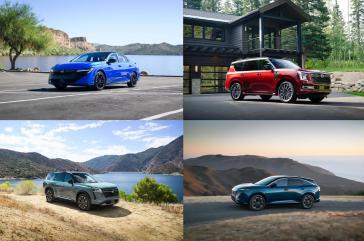


The cheapest car to earn the IIHS’s highest safety designation this cycle costs $22,600. It’s not a Volvo. It’s not a Genesis. It’s a Nissan Sentra.
The Insurance Institute for Highway Safety released its 2026 Top Safety Pick awards on March 24, and the all-new Sentra grabbed a Top Safety Pick+ rating for the first time in the nameplate’s history. That puts a compact sedan starting under $23,000 in the same exclusive club as the Audi A5, the Hyundai Sonata, and the Mazda 3 — cars that cost considerably more or carry far more prestige.
Nissan landed four models in this round of IIHS results. The Murano and Pathfinder both retained their TSP+ ratings from 2025, while the full-size Armada earned a standard Top Safety Pick. Combined with the Rogue’s TSP designation from October, Nissan now has five 2026 models on the IIHS honor roll.
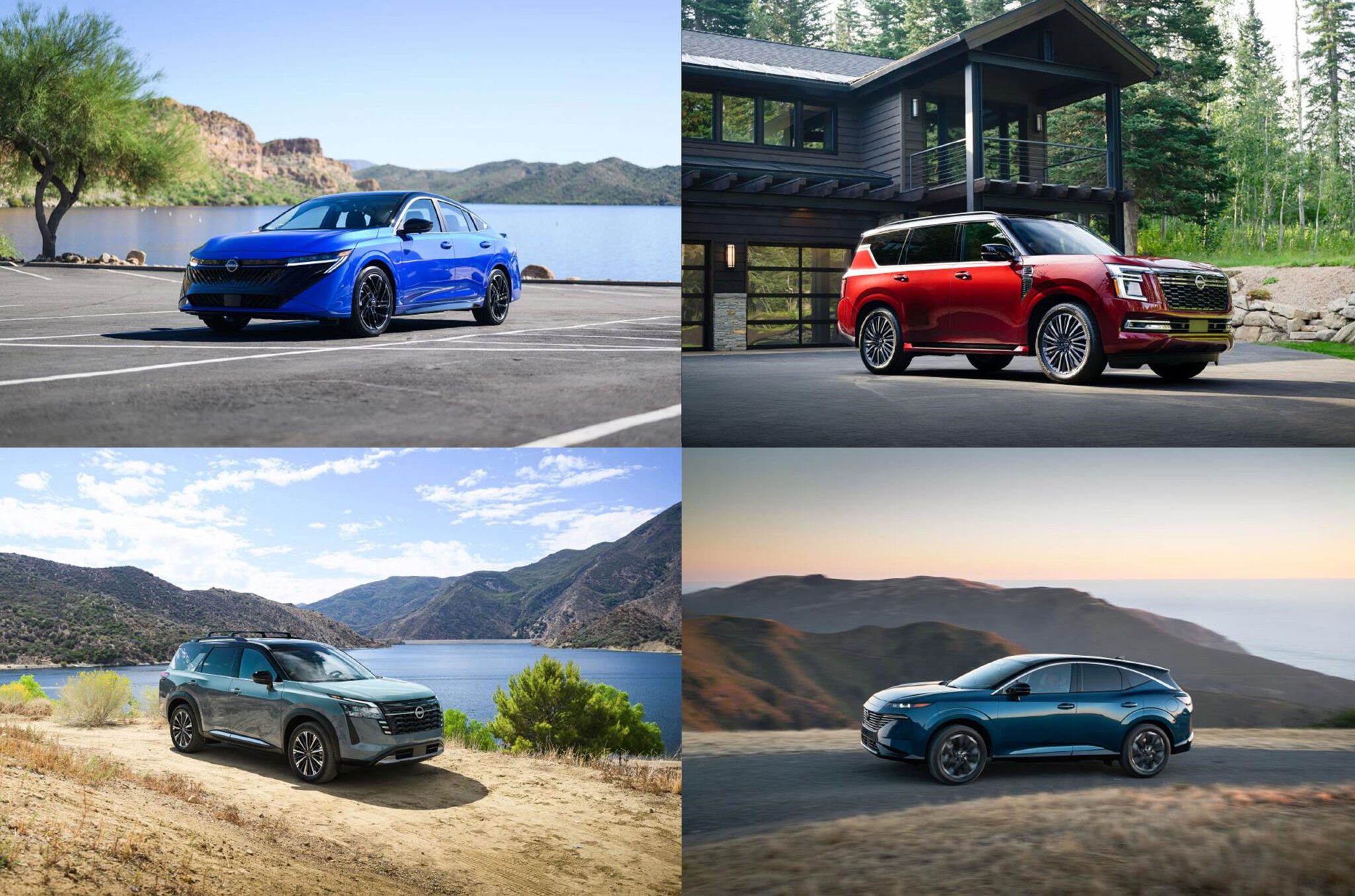
That’s a notable spread across the lineup — sedan, crossover, three-row family hauler, and body-on-frame SUV. A few years ago, Nissan was struggling to keep its products competitive in crash testing as IIHS tightened its criteria. The breadth of recognition now suggests the engineering investment in the current generation of vehicles is actually working.
The Sentra result stands out because the IIHS Top Safety Pick+ threshold is genuinely difficult to reach. A vehicle needs top Good ratings in most crashworthiness evaluations, strong marks in both vehicle-to-vehicle and vehicle-to-pedestrian automatic emergency braking tests, and acceptable-or-better headlight performance. Cheap cars historically stumble on headlights or pedestrian AEB. The Sentra apparently didn’t.
Safety remains at the heart of what we do and our teams work tirelessly to engineer vehicles that perform in the real world,” said Chris Reed, Nissan Americas’ regional senior vice president of research and development.
The broader IIHS list tells its own story. Hyundai and Kia continue to dominate the small and midsized SUV categories, collecting TSP+ ratings across the Tucson, Kona, Ioniq 5, Santa Fe, Sorento, EV9, and the new Ioniq 9. Honda’s HR-V and Passport also earned the top distinction. Mazda placed both the CX-30 and CX-50 in the winner’s circle.
Conspicuously absent from the list: minivans. IIHS President David Harkey called it “disappointing that minivans continue to struggle to provide the best-available protection for passengers in the back, considering that these are supposed to be family vehicles.” That’s a pointed remark aimed squarely at Toyota, Honda, and Chrysler — the only players left in the segment. Families buying a Sienna or Odyssey for rear-seat safety might want to read the fine print.
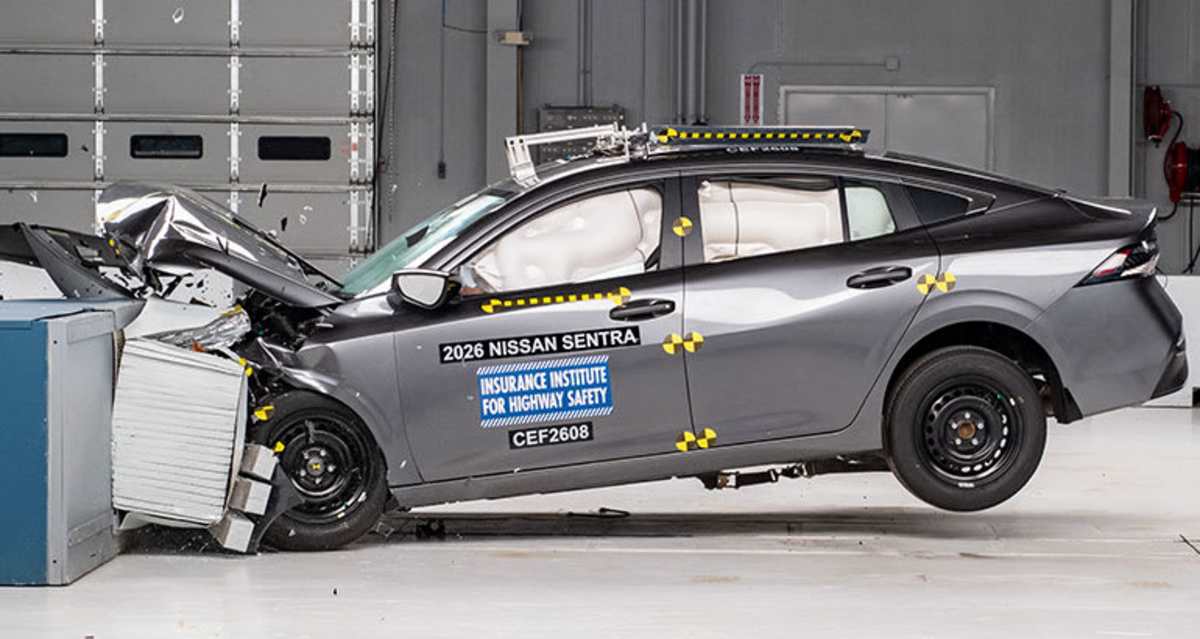
For Nissan, the Sentra result is the headline grabber because it demolishes the assumption that strong crash protection requires a premium price tag. The compact sedan segment has been bleeding sales volume for years as buyers migrate to crossovers, and automakers have been tempted to cut corners on models with thinner margins. Nissan went the other direction.
The Sentra comes standard with Safety Shield 360 on every trim. That means automatic emergency braking with pedestrian detection, blind spot warning, lane departure warning, rear cross-traffic alert, and high beam assist — no packages to add, no option boxes to check.
Five IIHS-recognized models won’t single-handedly reverse Nissan’s fortunes in a brutally competitive market. But it removes one objection from the shopping list. When a $22,600 sedan matches the safety credentials of cars costing $15,000 more, price and protection are no longer a tradeoff. For a company that needed a win, this is a tangible one.
Share this Story