


Jalopnik asked its readers a simple question last week: which automakers should build a new supercar? The answers that came back read less like fan fiction and more like a collective indictment of an industry that has forgotten how to dream.
The responses, published this week after an April 29 prompt from editor Daniel Golson, ranged from the predictable to the delightfully unhinged. Mazda, Cadillac, Mitsubishi, Subaru — even Volvo got a nod. But beneath the fantasy builds and dream engines, a pattern emerged that no automaker should ignore: enthusiasts are starving for cars that exist to be extraordinary, not merely profitable.
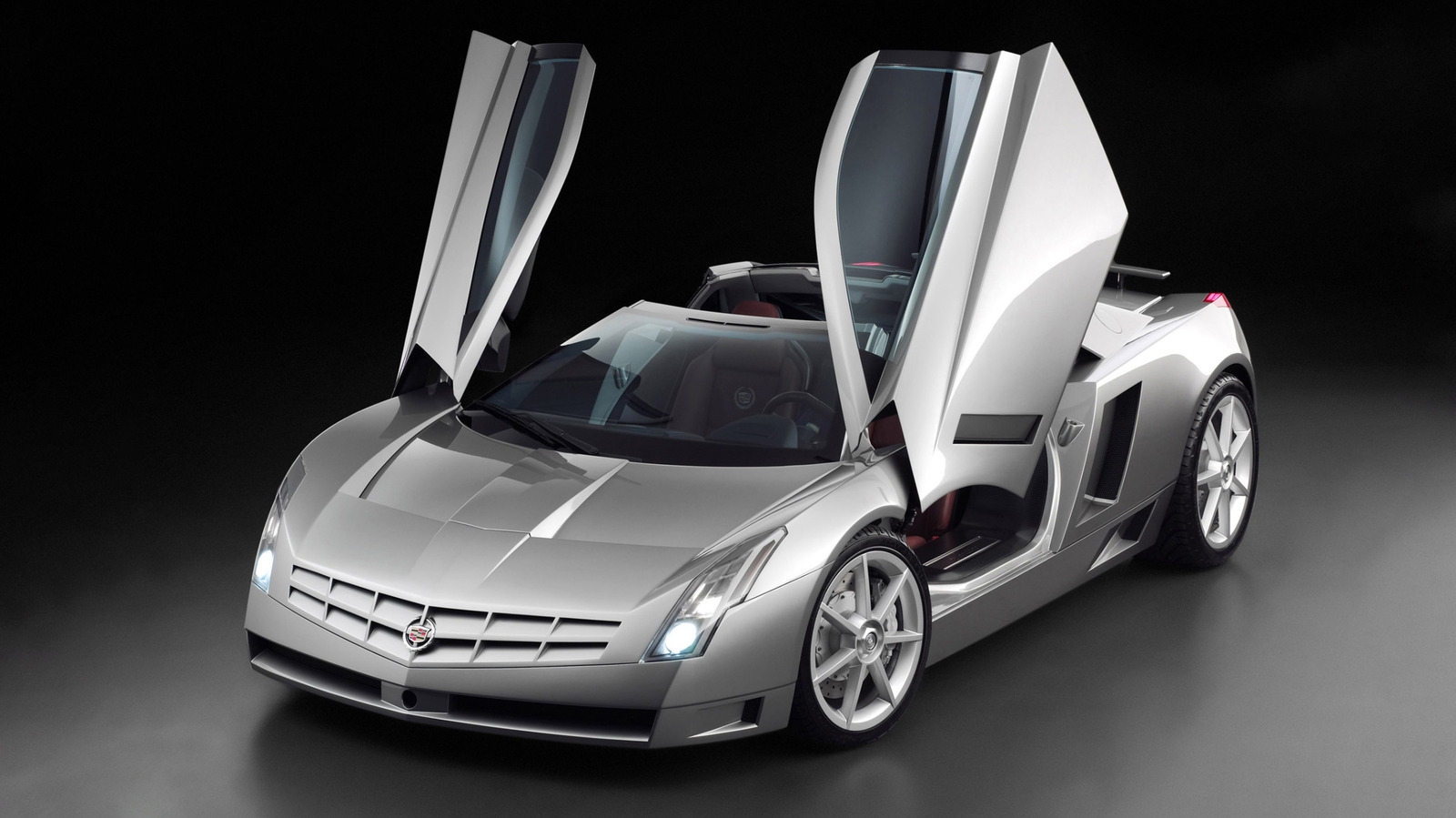
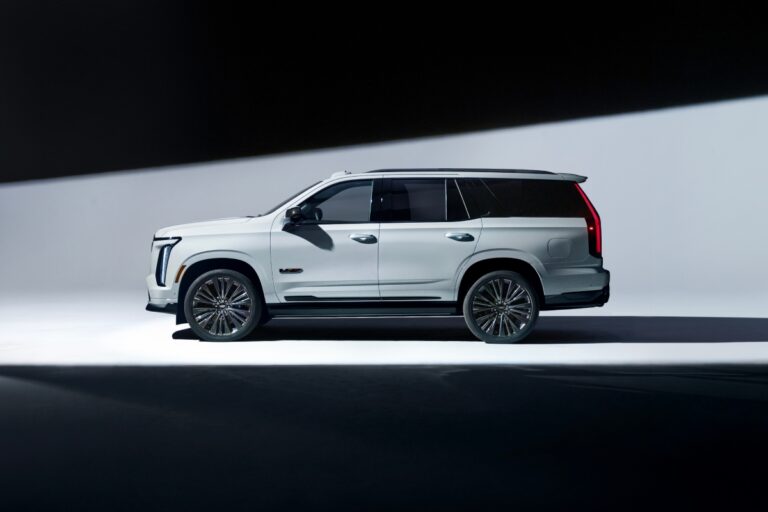
Cadillac drew some of the sharpest commentary. The brand is bleeding money in Formula 1, competing in IMSA and WEC endurance racing, and yet sells nothing remotely resembling a halo car. Readers pointed out the absurdity — GM fields race-winning prototypes at Le Mans while Cadillac’s showroom tops out at electric SUVs.
One commenter put it bluntly: they need a supercar to prove their ambitions on the world stage against Ferrari, Mercedes, and Porsche.
The Corvette loomed large in the conversation, but not the way Chevrolet might hope. One reader made a compelling case for a no-compromise Chevy supercar — carbon fiber everything, active aero, manual transmission, no golf-club-sized trunk — arguing that if Ford could sell every $450,000 GT it built, GM could do the same with a car called “Zora.” The C8 ZR1 already matches hypercar performance numbers, but it’s still engineered with concessions to guys in New Balance sneakers.
Mazda’s contingent was predictably passionate. Suggestions ranged from a mid-engine rotary monster to a $100,000 Miata — lightweight, high-revving, stick shift, no Nürburgring time obsession. The ghost of the Furai concept, killed before it could reach production, still haunts this fanbase.
Mitsubishi’s mention was bittersweet. Readers acknowledged the company would probably turn any performance vehicle into an SUV, then pivoted to suggesting a Dakar-prepped Delica Evolution. It says something when your most loyal fans have already made peace with your limitations and are trying to work around them.
BMW took a generational beating. One reader laid out the case that Gen X grew up lusting after M3s and now, at peak earning years, walks into dealerships and finds nothing worth buying under $100,000. Synthetic sounds, numb steering, subscription-gated features. The ask wasn’t complicated: build something honest again.
Honda’s absence from the supercar space still stings. The original NSX proved a mid-engine car could torture most of Porsche’s lineup at a fraction of the price, and that credibility filtered down through the entire brand. Without it, Honda is just another company selling crossovers.
The wildcard picks revealed real imagination. Subaru building a mid-engine, height-adjustable rally supercar in the spirit of the Lancia Stratos. Volvo dropping a V10 into a mid-engine coupe with seats so comfortable you’d forget you were doing 180 mph. Chrysler resurrecting the ME Four-Twelve, a car so good it deserved better than the company that conceived it.
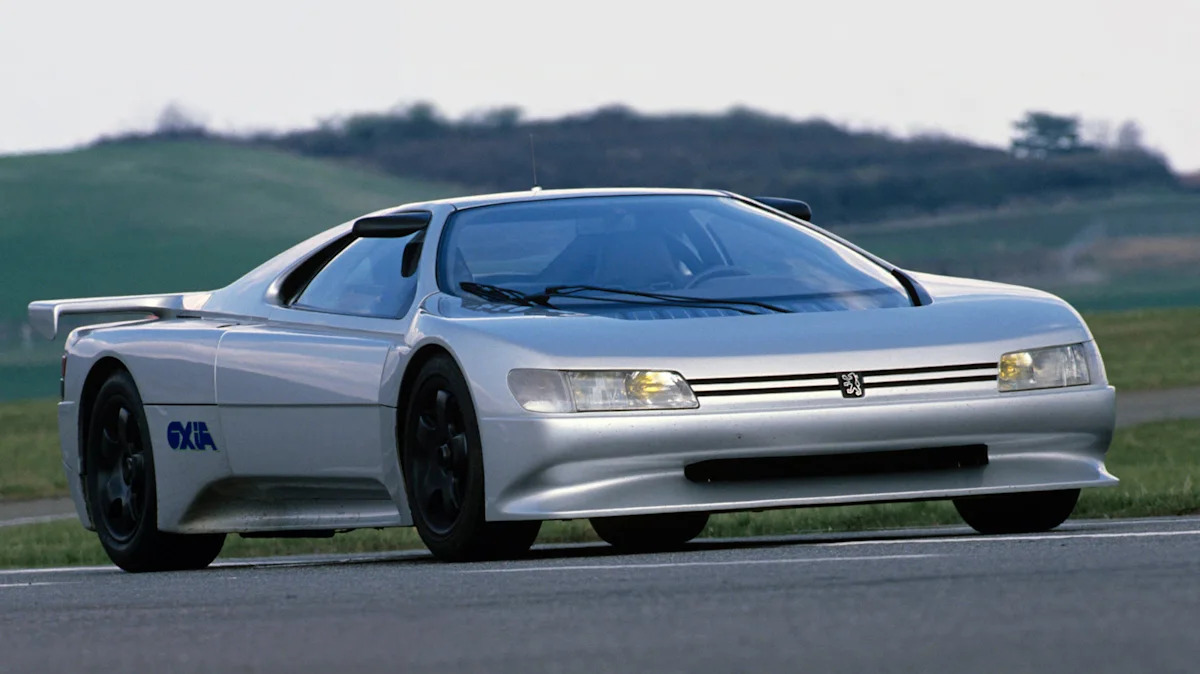
Peugeot was Golson’s own pick, and it’s not as crazy as it sounds. Three Le Mans wins, the 9X8 currently racing in WEC, and a history of supercar concepts dating back to the 1980s Oxia that could hit 217 mph. The bones are there. The will isn’t.
That’s the real thread connecting every one of these reader fantasies. The engineering talent exists. The platforms exist. The demand clearly exists. What’s missing is courage — the willingness to build something that doesn’t fit neatly into a quarterly earnings presentation. Every automaker on this list has the capability. None of them, apparently, has the nerve.
Share this Story