
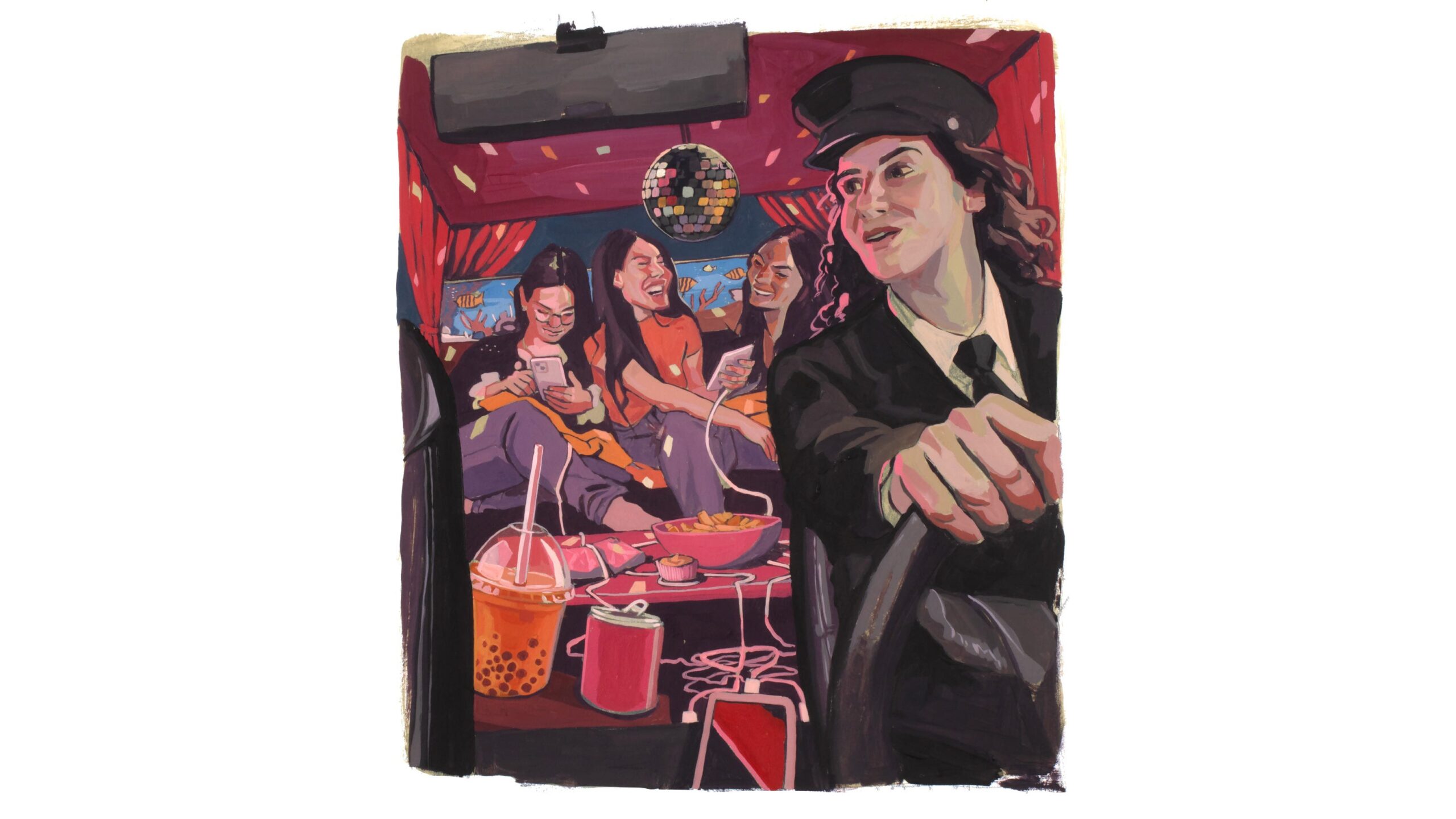


A 16-year-old in the back of a Ford Ranger delivered the most honest product review of the season: “I hate when there’s nowhere to lean.”
That line comes from Car and Driver senior editor Elana Scherr, who spent a weekend ferrying her college friend’s teen and tween daughters between boba shops and smoothie counters. Her latest column shows what rear-seat passengers actually use, as opposed to what automakers put on the spec sheet.
The first answer was cupholders. They weren’t just for drinks. They held phones and sunglasses too.
The logic is sharper than most design studios manage. Things sticking up out of a cupholder get remembered. Things buried in a console or lying flat on a charging pad get left behind.
Scherr’s suggestion for engineers is obvious once you hear it: build a cupholder that charges a phone.
The Ranger earned credit for its rear cupholders and a fold-down console with a padded armrest. It lost points on two counts. There were no dedicated rear climate vents, which left the adults freezing up front while the kids stayed too warm in back.
The second problem was the step-up. Climbing into a midsize pickup is one thing. Climbing out while holding a large milk tea with mango jelly and trying not to fling the door into the next car is another.
“I can’t hold the door and jump down at the same time,” the younger girl said. Scherr noted this was more concern for parking-lot door dings than she usually sees from people who don’t pay insurance premiums.
Then came the surprise. Scherr’s own 1980s Dodge Ramcharger shares the Ranger’s tall step and weak A/C, yet the kids loved it. A couchlike bench seat and full-length windows did the work that no option package could.
Her neighbor’s kids feel the same way. Scherr’s tip for collectors is to grab a Ramcharger or Plymouth Trail Duster before prices follow vintage Broncos upward.
She’s also honest about the safety gap. Few parents will strap children into a truck whose closest thing to airbags is a set of aftermarket Gabriel HiJackers shocks from 1973.
So the modern wish list leans practical. Dual Bluetooth tops it, letting a rear passenger run the music while the driver keeps navigation and calls. Scherr first noticed it on a Dodge Durango and says it’s spreading across newer infotainment systems.
Third-row USB ports come next. With child seats claiming the second row, older kids get pushed to the wayback. Base trims are where automakers are most likely to skimp on charging back there.
Tesla’s long-wheelbase Model Y L drew a split verdict. The second-row seats fold flat but don’t slide, forcing an airplane-style shuffle down the center aisle to reach row three.
The seat logic, though, impressed her. The driver can raise or lower second- and third-row seatbacks from up front.
The front passenger seat moves itself forward if it would block the middle row from folding. The middle-row armrests drop automatically when the door opens.
Scherr wants exactly that kind of thinking from cars. She also wants a physical shifter back.
The 11-year-old had the final word on the Ranger. “It’s okay,” she said, before describing her real favorites: cars with tables folding out of the seats and a sparkly ceiling like a cave full of stars.
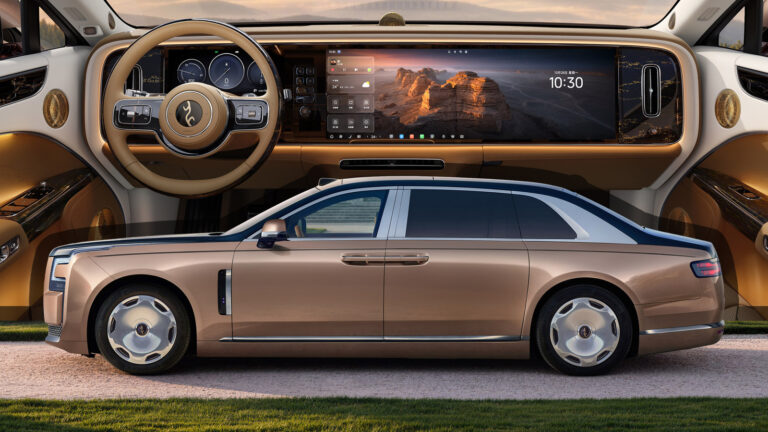
That’s a Rolls-Royce. Scherr didn’t tell her the cave stars are glowworms. She did suggest designers look into them.

Share this Story