
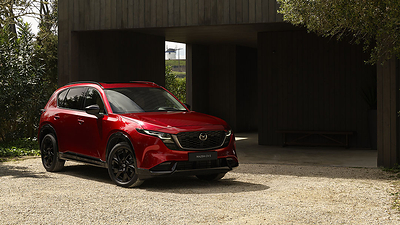


Mazda just priced the 2027 CX-5 at $29,990 to start, a number that looks reasonable until you realize it still runs on a naturally aspirated 2.5-liter four-cylinder and a six-speed automatic. No hybrid. No turbo. No eight-speed. In a segment where nearly every competitor has electrified something, Mazda is betting that driving feel and value can hold the line.
The company confirmed that “additional powertrain options will be announced in 2027,” which is corporate speak for “we’re not ready yet.” Toyota’s RAV4 Hybrid outsells everything in the class, Honda’s CR-V Hybrid has become the default for efficiency-minded buyers, and even Subaru bolted a motor-generator onto the Forester. Mazda’s answer is 187 horsepower, 186 lb-ft of torque, and standard all-wheel drive. It’s honest, but it’s also a decade-old recipe.
What Mazda did change is the tech stack. Every 2027 CX-5 now comes with Google built-in and the Gemini AI voice assistant, replacing the Google Assistant that launched on early 2026 models. In practice, that means you can talk to your car in full sentences instead of barking keywords.
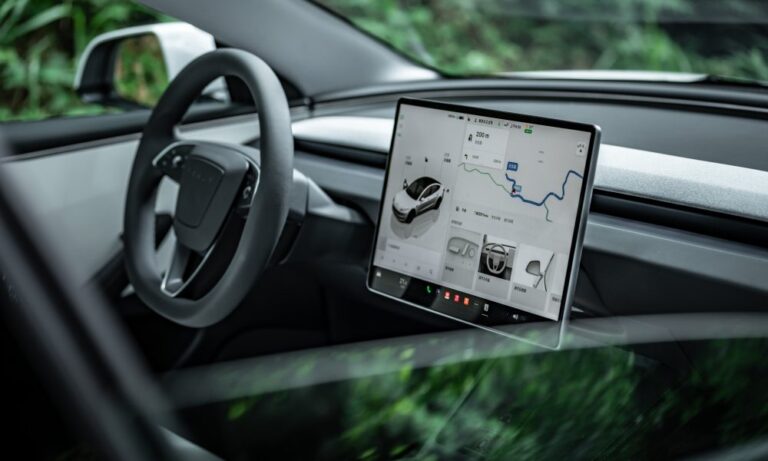
The base model gets a 12.9-inch touchscreen with wired Apple CarPlay and Android Auto. Wireless connectivity arrives at the Select trim.
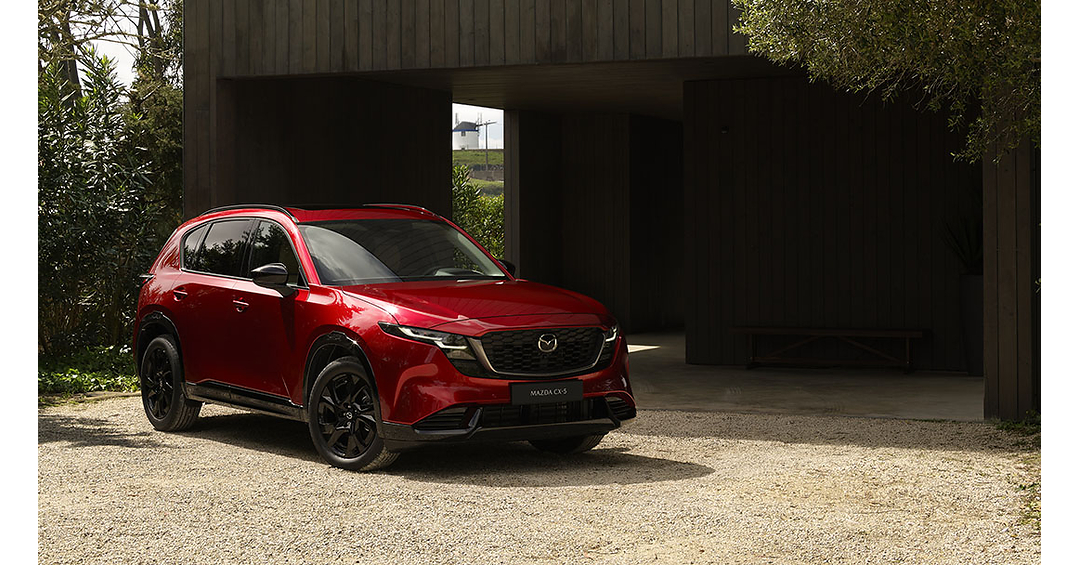
The trim walk stretches from the $29,990 2.5 S to the $39,440 Premium Plus. That top model packs a 15.6-inch display, a 360-degree camera system, adaptive front lighting, paddle shifters, and Mazda’s Cruising and Traffic Support system with lane-change assist. It also borrows the Driver Personalization System from the CX-90, which automatically adjusts mirrors and seat position.
At nearly $40K before the $1,595 destination charge, the Premium Plus nudges into territory where buyers start cross-shopping compact luxury.
Select adds wireless CarPlay, heated mirrors, and leatherette seats for $32,140. Preferred jumps to 19-inch wheels, heated front seats, a heated steering wheel, and a head-up display at $34,550. Premium, at $37,450, throws in leather, ventilated front seats, heated rear seats, a panoramic sunroof, and a 12-speaker Bose system.
Every CX-5 rides on standard AWD with Mazda’s i-Activ system and offers Normal, Sport, and Off-Road drive modes.
The safety equipment list is stacked even on the base car. Radar cruise control with speed-limit assist, blind-spot monitoring, rear cross-traffic alert with pedestrian detection, front and rear parking sensors, and emergency lane keeping all come standard. That’s a strong hand to play against competitors who gate some of those features behind packages.
Mazda also claims improved rear-seat space and cargo capacity over previous generations, though it released no specific dimensions. Families hauling soccer gear will have to take that on faith until the cars hit showrooms “in the coming months.”
The real tension here is strategic. The CX-5 remains Mazda’s best-selling vehicle, and the company is clearly trying to protect its margins and its identity as a driver’s brand. But the market is moving fast, and every month without an electrified option is a month where a fuel-economy-conscious shopper walks across the lot to a competitor.
Mazda says more powertrain news is coming. The clock is ticking louder than a six-speed gearbox at highway speed.
Share this Story