
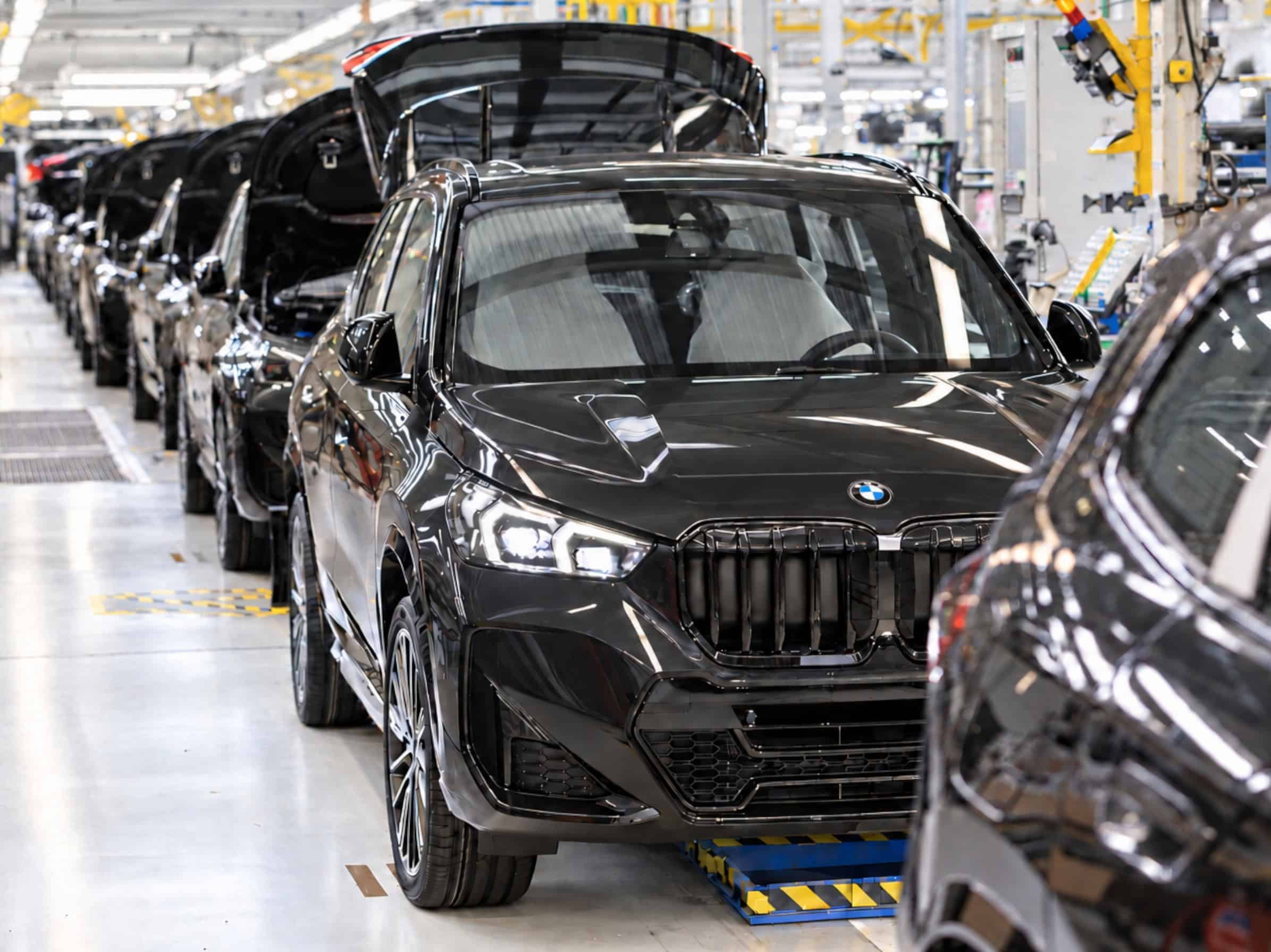


BMW’s Araquari plant in southern Brazil has assembled 125,000 vehicles since it opened in 2014. That is not a typo. In 12 years of operation, the factory in Santa Catarina has averaged roughly 10,400 cars per year, a rounding error compared to the automaker’s plants in Dingolfing or Spartanburg.
But volume was never the point.
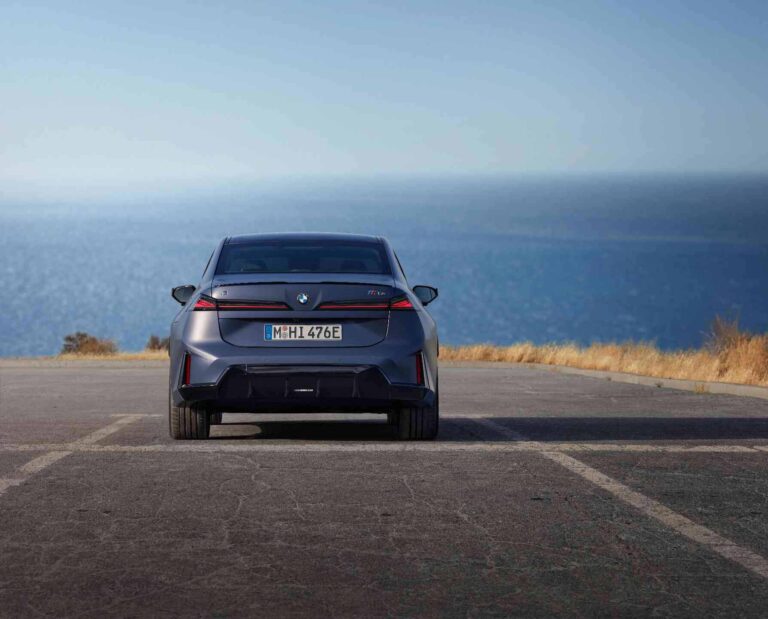
The facility currently builds three models: the X1, the 3 Series, and the plug-in hybrid version of the outgoing X5. Those locally assembled vehicles now account for 60.5% of BMW’s sales in Brazil this year, a figure that explains why the plant exists at all. Import tariffs in Brazil are punishing, and having a local assembly operation turns an expensive luxury import into a more competitive product.
The first car off the line was an F30-generation 328i ActiveFlex back in September 2014. Since then, a dozen different models have cycled through the facility’s body welding, painting, and assembly operations. The X4 was among them until BMW killed off the coupe-styled SUV globally, with the Debrecen-built iX4 stepping into that gap.
Production numbers tell a sober story. Araquari assembled 11,304 vehicles in 2025, a 1.5% decline from the prior year. It covers 1.5 million square meters of land but only 112,893 square meters of actual buildings, a ratio that suggests plenty of room to grow if the business case ever materializes.
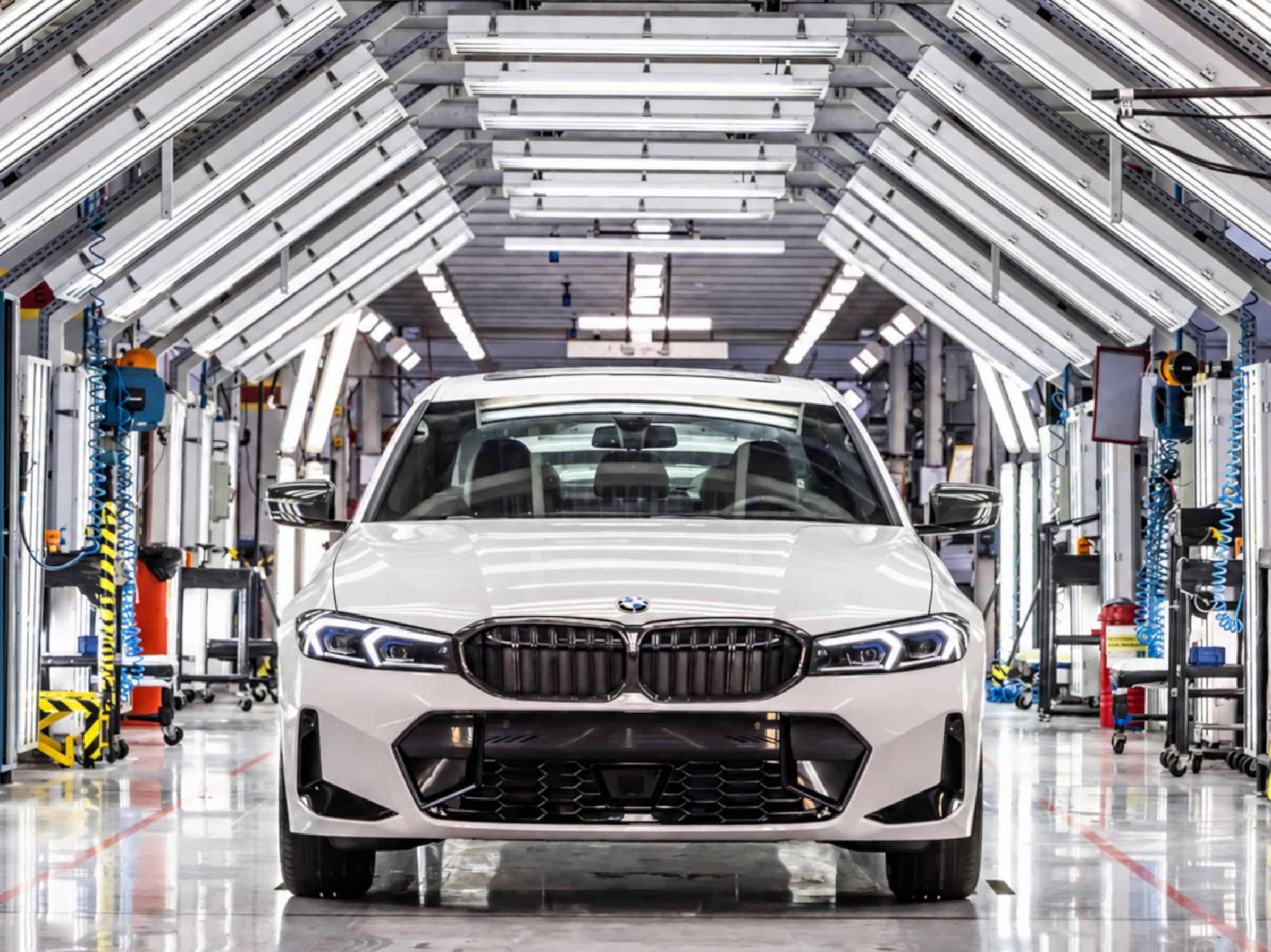
What makes Araquari more interesting than its output numbers suggest is what happens beyond the assembly line. The plant, together with BMW’s São Paulo office, hosts one of just five global engineering development centers the company operates outside Germany. It is the only one in Latin America.
The Brazilian engineering team works on vehicle development, testing, and validation for both local and international projects. That puts Araquari in the same category as BMW’s technical outposts in the U.S., China, Japan, and South Korea.
That engineering role gives the plant strategic weight that pure production volume cannot. BMW could import every car it sells in Brazil if it wanted to absorb the tariff hit. Maintaining a local engineering center that feeds into Munich’s global development pipeline is a different kind of investment entirely.
The question now is what comes next. BMW has not announced additional models for Brazilian production. But the next-generation 3 Series and X5 are both on the horizon globally, and the current X1 is due for a mid-cycle refresh next year.
Whether any of those programs land at Araquari will say a lot about how BMW views the plant’s future. Brazil’s auto market remains volatile, shaped by currency swings, tax policy, and consumer confidence that can shift quarter to quarter.
Building 11,000 cars a year in a factory with room for far more is either patient long-term positioning or an admission that the ceiling is lower than anyone hoped. BMW has kept the lights on for 12 years, invested in engineering capability, and still has not cracked five figures annually with any consistency. The 125,000th car rolled off the line, but the 250,000th is still a long way off.
Share this Story