


General Motors says it can take a vehicle from concept to production in roughly two years. That’s down from the four-to-five-year timeline it has been living with. The tools making this possible: AI-driven virtual testing, a unified digital pipeline linking design to manufacturing, and a willingness to let software eat the traditional development calendar.
The proof GM is waving around is its lithium manganese rich battery program. The company went from first pack concept to formal project approval in a single month after running more than 300,000 virtual battery designs through AI simulation before building a physical prototype. One month. For a battery architecture that could cut $6,000 from the cost of a vehicle like the Chevrolet Silverado EV while matching its current 400-mile range.
Those LMR cells use less cobalt and nickel and far more manganese than today’s NMC chemistry, delivering higher energy density than cheaper LFP cells at a comparable price. GM will build them at its Spring Hill, Tennessee, plant alongside LG Energy. The company has quietly dropped plans to produce LFP cells for vehicles at that facility.
LFP production there will now serve data storage applications only. NMC batteries aren’t going away either, but they’ll be reserved for premium models. LMR is the play for volume.
On the software side, GM is rolling out an AI-powered OnStar voice assistant starting with the 2027 Cadillac Lyriq through an over-the-air update. The pitch is familiar territory: a conversational system that actually understands context. Say “it’s getting warm in here” and the cabin temperature adjusts.
GM claims the assistant carries deep, vehicle-specific knowledge rather than the shallow scripting that has made most in-car voice systems an exercise in frustration. When the AI hits its limits, it routes the conversation to a human OnStar Advisor. A unified OnStar app will also replace the separate mobile apps currently split across Buick, Cadillac, Chevrolet, and GMC, adding features like viewing camera footage and navigation planning.
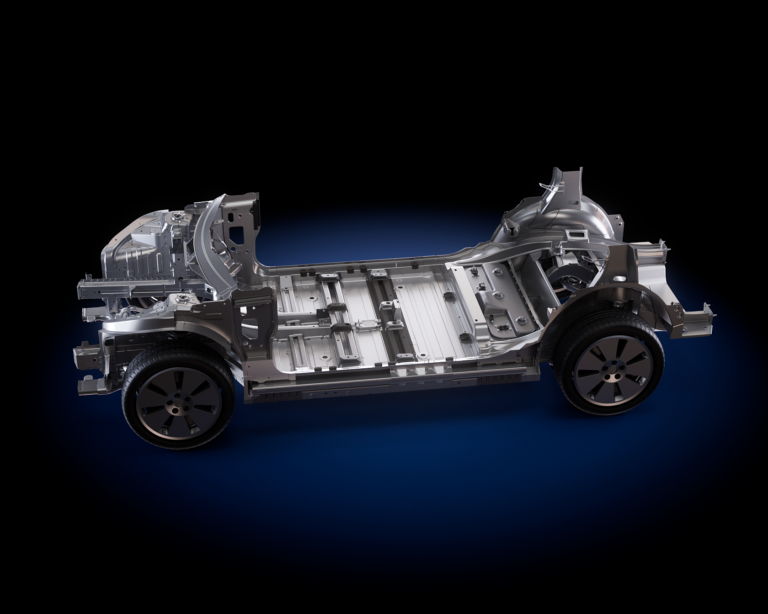
The hardware backbone for all of this is GM’s Generation 4 EV platform, anchored by a new Central Compute Unit that consolidates chassis control, active safety, perception, and propulsion into one brain. GM says it packs 40 times the computing power of its predecessor while requiring 30 percent less wiring. Simpler electric motors with 40 percent fewer parts round out the mechanical side.
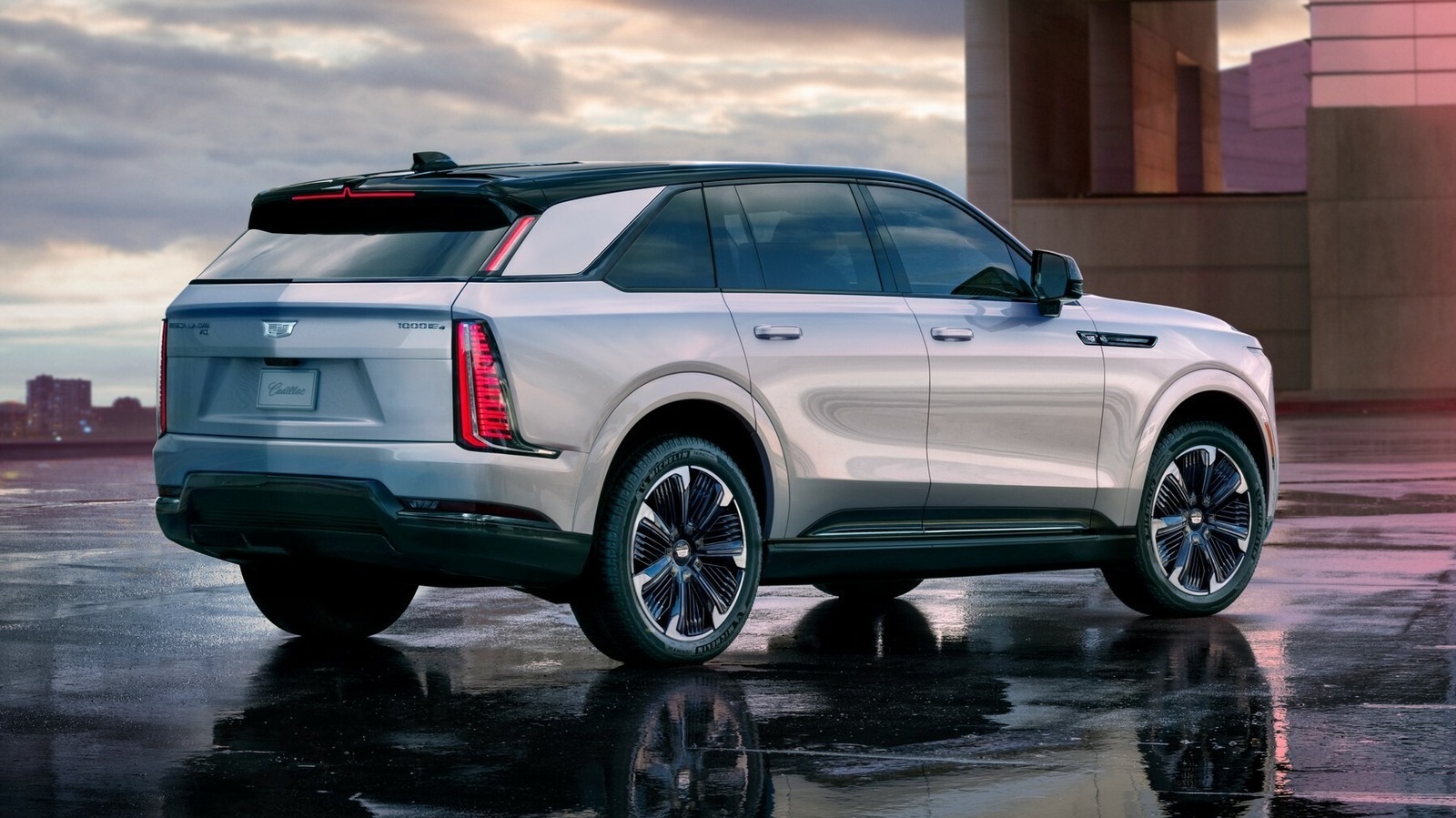
The 2028 Cadillac Escalade IQ will be the first vehicle built on this architecture. From there, GM intends to spread it across full-size SUVs, pickups, three-row crossovers, and the broader fourth-generation EV lineup.
Autonomous highway driving arrives with that Escalade IQ launch. Testing is already happening on closed courses. GM is logging roughly 3 billion simulated miles per day and over 1 million real-world test miles per month to feed those systems.
The company also confirmed that its gas-powered trucks and SUVs will get the same advanced driver-assistance tech, a nod to the reality that internal combustion isn’t disappearing from GM’s portfolio anytime soon.
The strategy here is speed. Chinese automakers have been compressing development cycles for years, and GM is openly acknowledging the competitive pressure. Whether a two-year timeline holds once tooling, supplier negotiations, and regulatory approvals collide with ambition is the question GM hasn’t answered yet.
Share this Story