
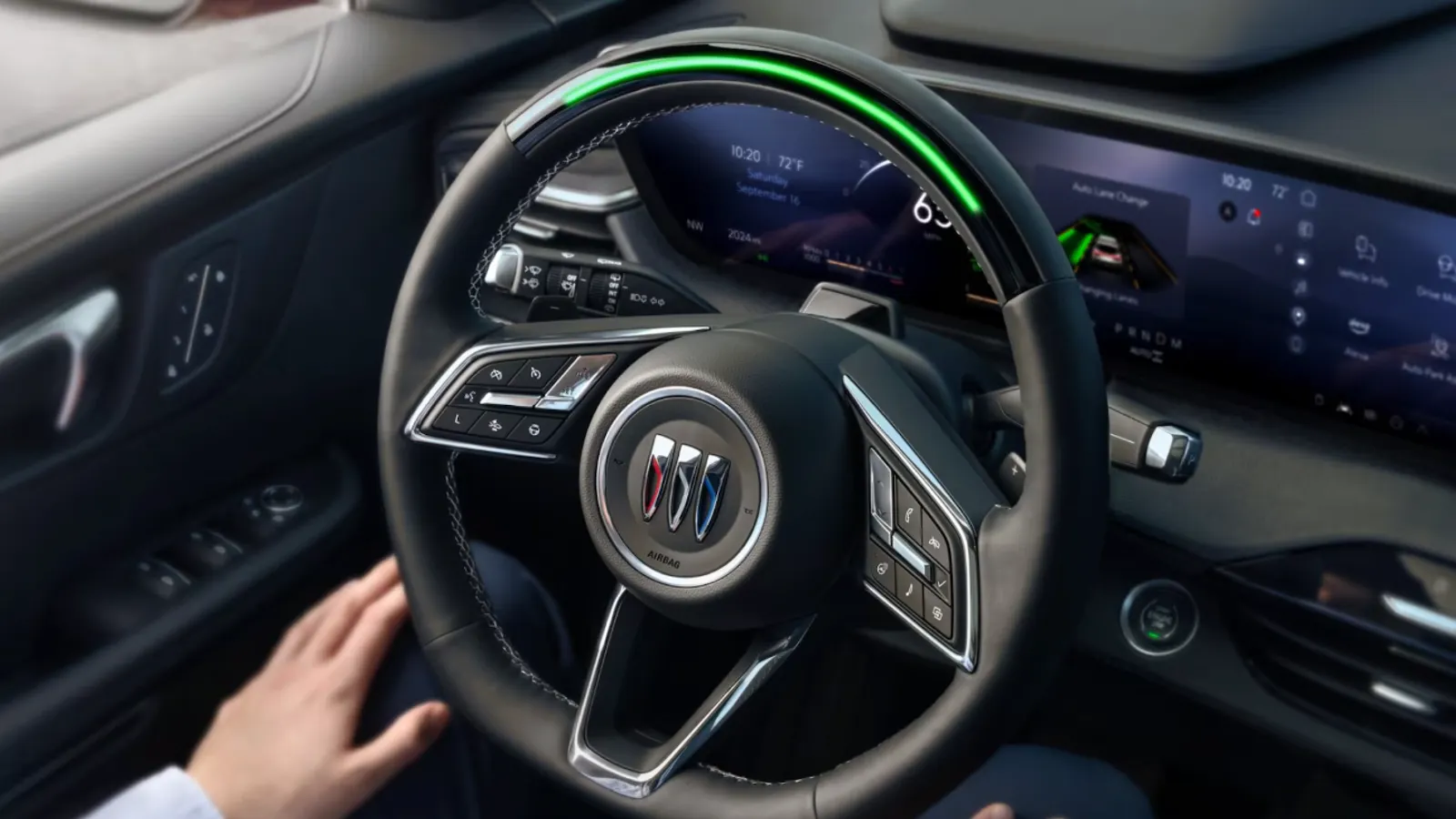


General Motors pulled in roughly 60 percent more revenue from Super Cruise in the third quarter compared to a year ago, putting the automaker on pace to hit $400 million from a single driver-assist feature in 2026. That number alone tells you where the auto industry’s profit margins are migrating.
The company delivered 83,000 Super Cruise-equipped vehicles in Q3, pushing year-to-date sales past 243,000 units. GM expects to close the year with 850,000 total subscribers paying $39.99 a month or $399 annually for the privilege of taking their hands off the steering wheel on pre-mapped highways.
Those subscribers are feeding a larger beast. Deferred revenue for GM’s OnStar digital business swelled to $6.8 billion, up about 40 percent year-over-year. CEO Mary Barra told shareholders the company is tracking toward $7.5 billion in deferred revenue from software and services for the full year, money that will trickle into GM’s books over the life of those subscriptions.
GM added roughly 50,000 new Super Cruise users in Q1, then 70,000 in Q2. The third quarter brought another wave of additions as the feature expanded across more than 20 vehicles spanning Chevrolet, Buick, GMC and Cadillac. The system now works on approximately 630,000 miles of mapped North American roads.
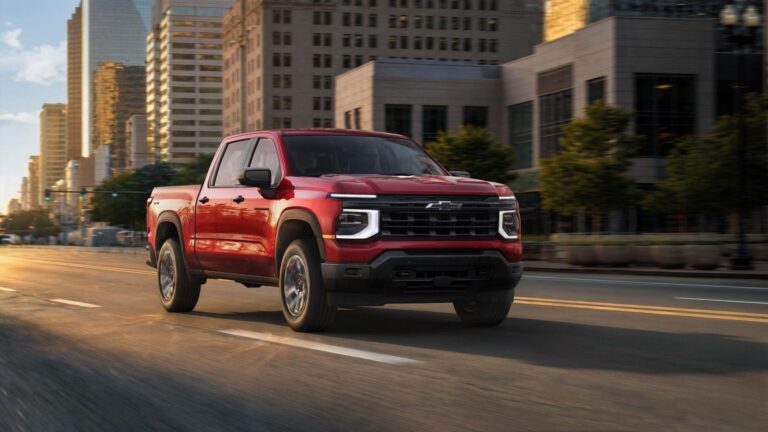
Barra is betting hard on trucks to accelerate the next phase. Super Cruise is now available on select trims of the next-generation Chevrolet Silverado and GMC Sierra, GM’s two highest-volume nameplates in the U.S. It comes standard on high-end trims and as an option on most others for the first time. Barra said truck penetration of the technology should grow four to five times in 2027.
That math gets interesting quickly. Trucks already carry the fattest transaction prices in GM’s lineup, often clearing $60,000 or more. Layering a recurring $400-a-year subscription on top of that changes the economics of each sale in ways that would have been unthinkable a decade ago.
Buyers of 2025 model year or newer vehicles equipped with Super Cruise get three years of OnStar One bundled free, which includes the feature. That’s a classic land-and-expand play: hook them with a complimentary taste, then convert them to paying subscribers when the trial expires. Whether those conversion rates hold as the subscriber base scales into the millions is a question GM hasn’t answered publicly.
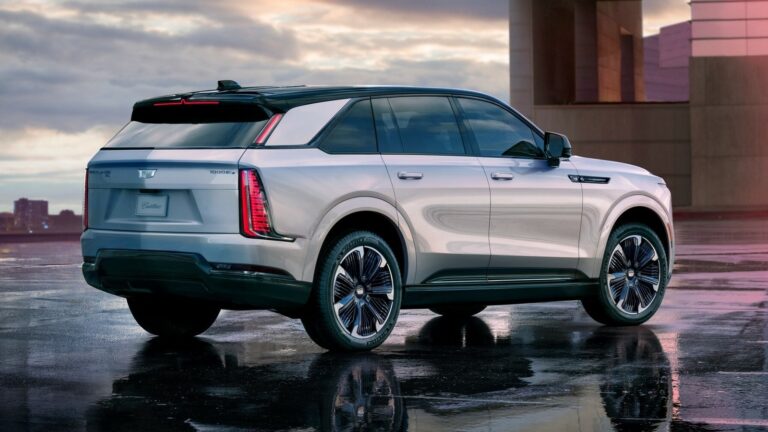
The technology pipeline stretches further out. GM plans to launch a more advanced version of Super Cruise in 2028, starting with the Cadillac Escalade IQ electric SUV. That version will let drivers look away from the road entirely on pre-mapped highways, a step up from the current system that still watches your eyes through an infrared camera.
The broader OnStar ecosystem is growing in parallel. GM said it’s on target to add 1 million new OnStar subscribers this year, bringing the total to 13 million.
For an automaker that spent most of its history making money when metal left the factory, GM is increasingly cashing in long after the customer drives home. The Q3 numbers suggest that transition is no longer theoretical. It is a functioning revenue engine, and Barra is pointing it straight at the truck aisle.
Share this Story