


Nine years ago Elon Musk surprised the world with a second-generation Roadster concept. It promised 600 miles of range, a 1.9-second 0-60 time, and a targa top with 2+2 seating. People put down deposits of up to $250,000.
That car never showed up. The one that did show up last Thursday looked nothing like it.
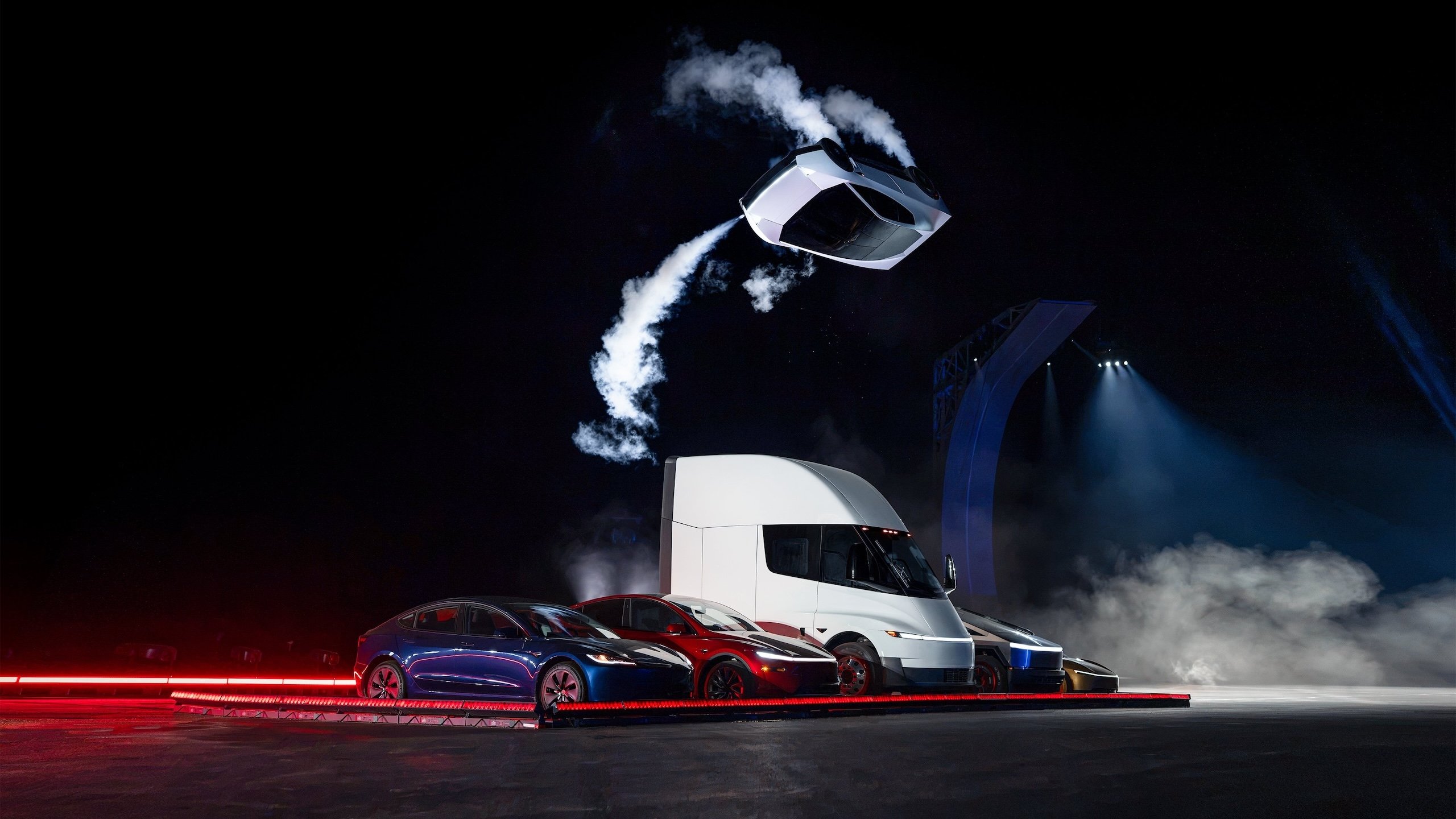
What Tesla unveiled instead was a rocket-thruster-equipped hypercar that can do a kick flip, jump over the company’s entire aging lineup, drive up a wall, hang upside down via suction fans, drop to the ground, flip, and land on its wheels. The 0-60 time? A claimed 0.81 seconds. The crowd went wild.
Then came the fine print. The compressed-air tank that enables the thrust runs dry after a single launch. Refill time: six hours.
The team says they are working to cut that to 30 minutes. So today this car can perform one record-breaking sprint and then sits like a beached whale until its tanks recharge.
Musk says the Roadster may arrive in 2028. He also says he really means it this time.
But rewind. On August 2, 2006, Musk published what he called the “Secret Tesla Motors Master Plan.” In it, he acknowledged the original Roadster was an expensive toy and posed the question himself: “Are we really in need of another high performance sports car?”
His answer was no. The plan was explicit. Start expensive, drive costs down, build “affordably priced family cars,” and help move the world from a hydrocarbon economy toward a solar electric one.
The Model 3 and Model Y delivered on part of that promise. Together they became the best-selling electric cars on earth and dragged mainstream buyers into the EV tent. But the $35,000 Model 3 that was originally advertised existed only fleetingly before configurations crept north of $40,000.
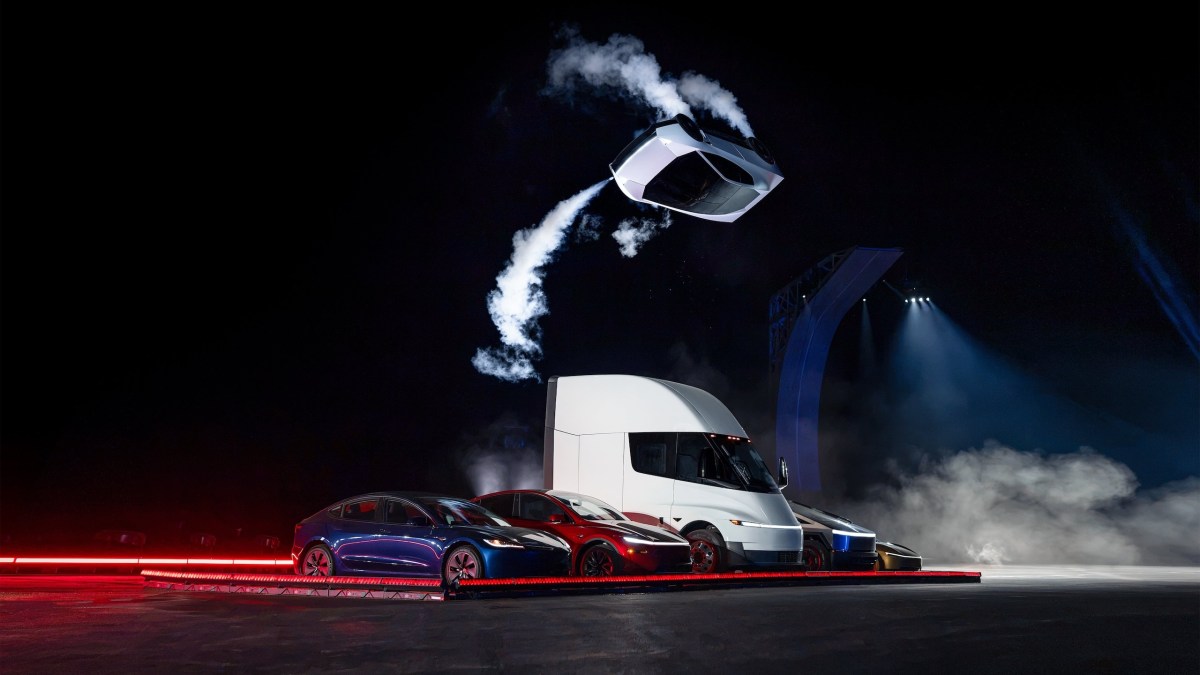
Then came Battery Day, September 22, 2020. Musk told the world Tesla would bring a $25,000 EV to market within three years. It didn’t happen.
Four years after that promise, on an October 2024 earnings call, he killed the idea entirely. “Having a regular $25K model is pointless,” he said. “It’d be silly.”
Silly. The word hangs in the air when you consider that the average new car transaction price in the U.S. hovers around $48,000 and that most Americans still cannot afford to go electric.
Instead of a people’s car, Tesla is building a rocket-powered parlor trick for the ultra-wealthy and shutting down the Model S and Model X production lines to make room for robots. Musk declared the new Roadster will be the last true human-driven Tesla. Everything after this is autonomous, he says.
Wall Street was not exactly moved. Tesla’s stock barely twitched the day after the show.
The original master plan worked because it had a destination. Each step, from the first Roadster to the Model S to the Model 3, built toward something larger. The mission was democratization of electric transportation.
A hypercar that needs six hours to reload its air tanks after one pass is not a step toward anything. It is the end in itself. An extraordinarily expensive, extraordinarily entertaining end.
The kind of thing a company builds when the mission has shifted from changing the world to impressing it. The $25,000 EV remains missing. Nobody at Tesla seems to be looking for it anymore.
Share this Story