
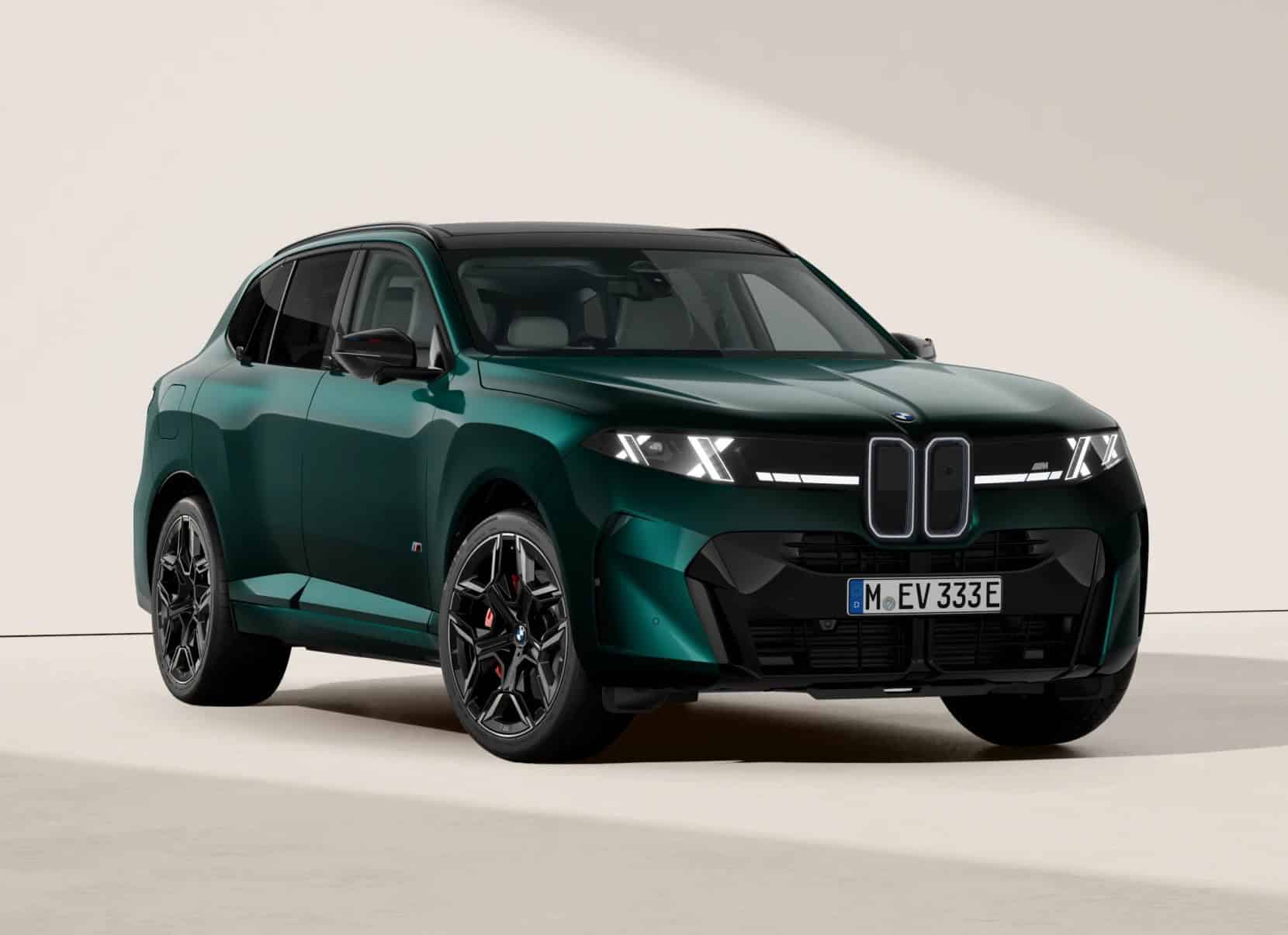


The 2027 BMW X5 configurator just expanded across Europe, and the numbers tell a story the marketing copy carefully avoids. The plug-in hybrid X5 50e starts at €102,800 in Germany. The performance-oriented M60e and the fully electric iX5 60 both land at €125,000, before a single option box gets ticked.
Three electrified variants went live simultaneously, joining the six-cylinder gasoline 40 xDrive and diesel 40d xDrive that have been configurable for several weeks. BMW is calling this its “Power of Choice” strategy. What it really amounts to is six figures as the floor for anything with a plug.
The X5 50e xDrive pairs a turbocharged 3.0-liter inline-six with an electric motor for 482 horsepower and 700 Nm of torque. Its 29-kWh battery delivers up to 102 kilometers of electric-only range on the WLTP cycle. For daily commuters in European cities, that number covers most trips without burning a drop of fuel.
It is the least expensive electrified X5, and it still costs more than a well-equipped Porsche Cayenne.
The M60e xDrive pushes output to 604 hp and 800 Nm, uses the same battery, and sacrifices a negligible 4 kilometers of electric range for the privilege. It costs €22,200 more than the 50e. That premium buys roughly 120 extra horsepower in a vehicle that weighs well north of two tons.
Then there is the iX5 60 xDrive, priced identically to the M60e at €125,000 but representing a fundamentally different proposition. It is the first fully electric X5, built on BMW’s sixth-generation eDrive platform with a 141-kWh battery pack using new cylindrical cells. The headline range figure is 845 kilometers on the WLTP cycle, which even with real-world degradation suggests north of 600 usable kilometers.
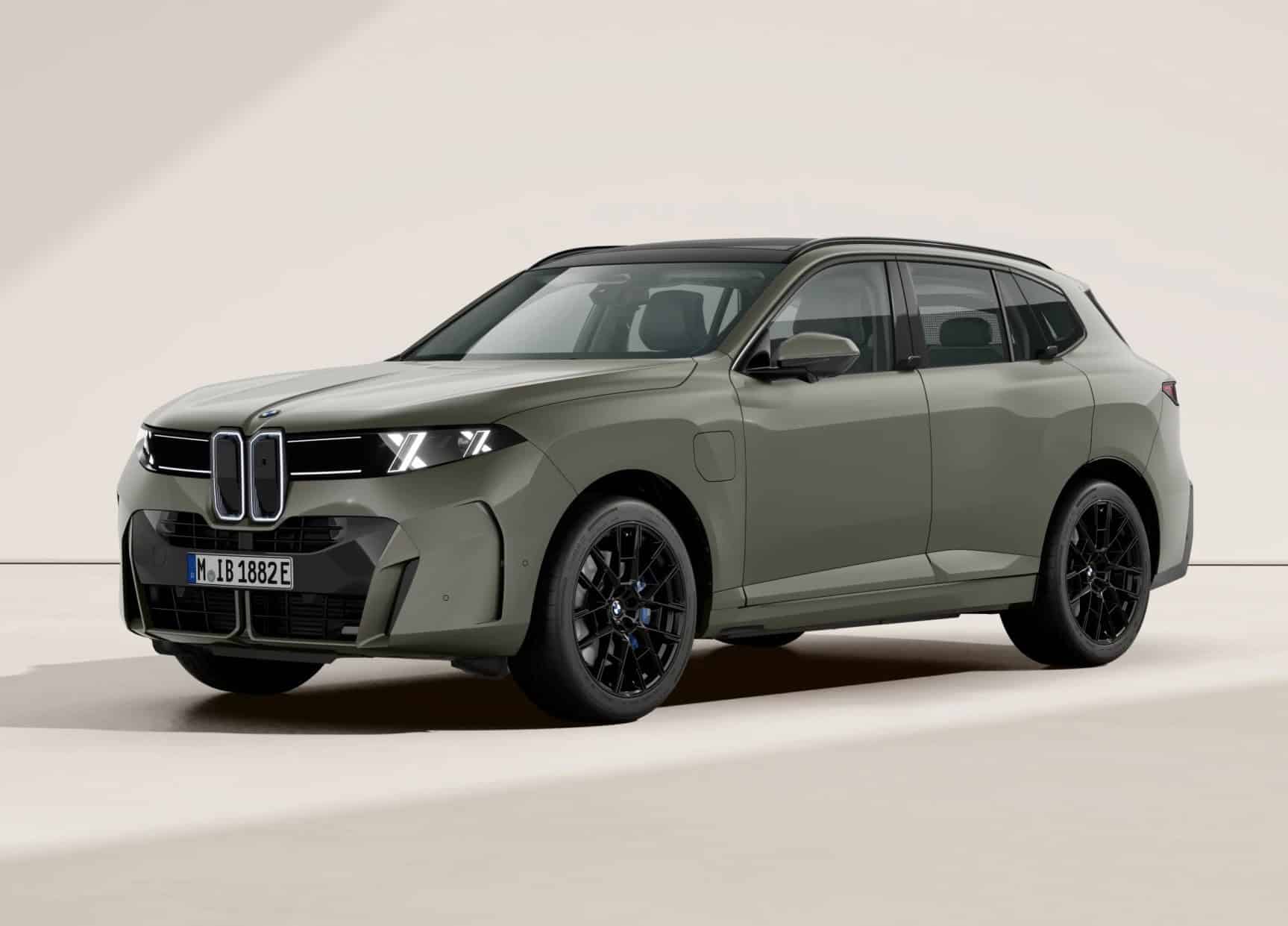
DC fast charging tops out at 460 kW. Those are serious numbers that place the iX5 squarely against the Mercedes EQS SUV and the upcoming electric Porsche Cayenne.
BMW will build all X5 variants, including the electric model, at its Spartanburg plant in South Carolina. That makes the iX5 60 the first fully electric BMW produced at the American factory, a detail with real implications for U.S. pricing and potential tax credit eligibility when it arrives stateside.
The lineup is not done growing. A V8-powered X5 M60 xDrive is slated for European markets later in 2027. A next-generation X5 M reportedly could offer both V8 and fully electric options, and a hydrogen fuel-cell variant wearing an iX5 60H badge remains on the roadmap for later this decade.
BMW is hedging every bet it can, offering gasoline, diesel, plug-in hybrid, battery electric, and eventually hydrogen from a single model line. No other luxury SUV covers that much ground. The question is whether spreading development costs across that many powertrains can be sustained without pushing base prices even higher.
At €102,800 to start, the cheapest electrified X5 already sits in territory that would have been reserved for the M division a generation ago. The options catalog, dense with BMW’s familiar upsell architecture, will push most configured examples well past €130,000. European buyers browsing those configurators right now are discovering that the freedom to choose comes with a very specific price tag, and it only moves in one direction.
Share this Story