
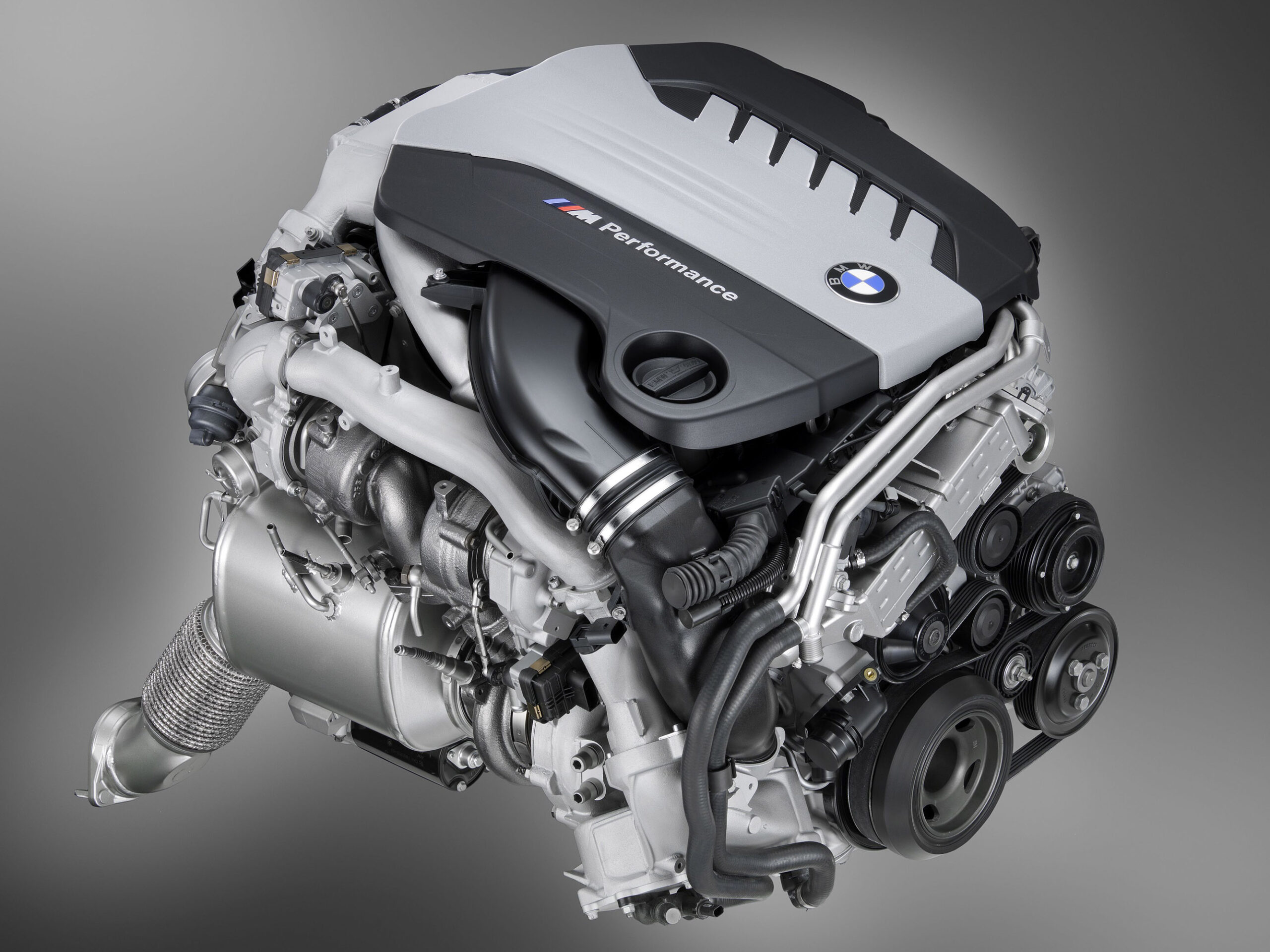


In 2012, BMW sold a 5 Series that out-torqued the M5. It ran on diesel, carried three turbochargers, and never touched American soil.
The M550d xDrive used a 3.0-liter inline-six making 740 Nm, or 546 lb-ft, available from 2,000 rpm. The twin-turbo V8 in the F10 M5 made 500 lb-ft. A diesel sedan from the M Performance line beat the full M car on the number that shoves you into the seat, and it did so with 1.4 fewer liters of displacement.
American buyers got a consolation prize. The X5 xDrive35d offered a twin-turbo version of the same basic engine with 265 hp and 425 lb-ft. Solid, sensible, forgettable.
Europe got the third turbo, the extra 120 lb-ft, and the bragging rights, in the M550d, the 750d, and both the X5 and X6 M50d.
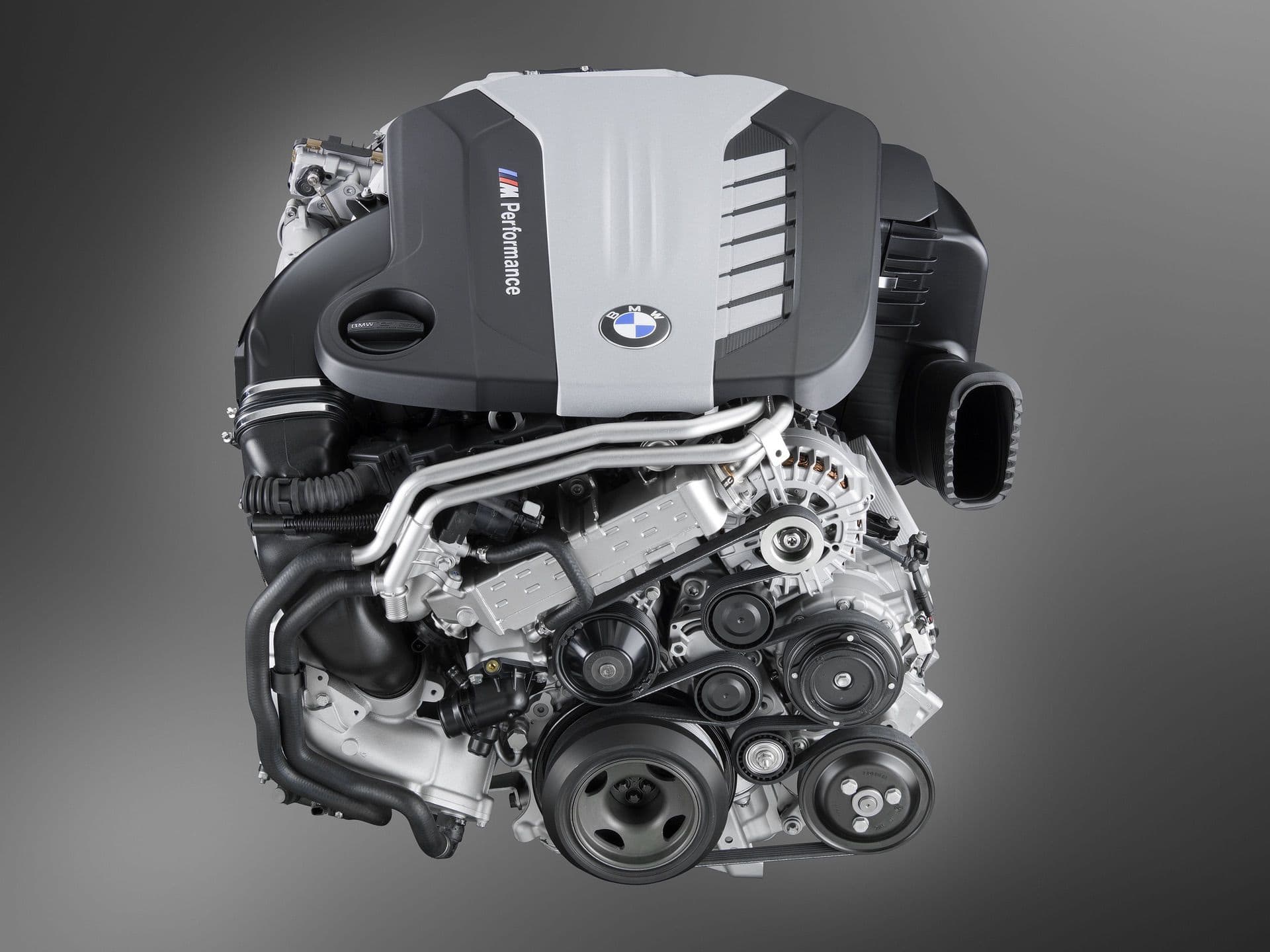
The engine, designated N57S, was BMW M GmbH’s calling card for the newly minted M Performance sub-brand. BorgWarner supplied two small high-pressure turbos with variable turbine geometry and one larger low-pressure unit. They worked sequentially.
Just off idle, the first small turbo paired with the big one for quick spool. Above roughly 2,700 rpm, the second small turbo joined. Peak boost hit 3.5 bar.
That complexity existed to kill the one weakness every big diesel carries: lag. BorgWarner claimed the three-stage setup delivered 25 percent more power and 8 percent better fuel economy than BMW’s existing twin-turbo system, all while meeting Euro 6 emissions. The penalty was 24 kg of extra weight and a maze of intercooling and flap controls that no service department wanted to see at 100,000 miles.
The M550d sedan hit 100 km/h in 4.7 seconds. The Touring wagon did it in 4.9, then cruised at 155 mph while sipping 6.3 liters per 100 km on the European test cycle. Every variant came with xDrive and an eight-speed automatic because no manual in BMW’s catalog could survive 546 lb-ft.
The 750d xDrive, launched in 2013, started at 88,500 euros. Journalists drove it through a Munich snowstorm on winter tires and averaged 36 mpg combined. A 7 Series limousine pulling cleanly through 15 inches of snow on diesel torque alone is a car you remember.
BMW pushed even further in 2016 with the quad-turbo B57S, making 760 Nm in the updated 750d. By 2020, it was gone. The diesels that followed stepped back to two turbos with mild-hybrid assist.
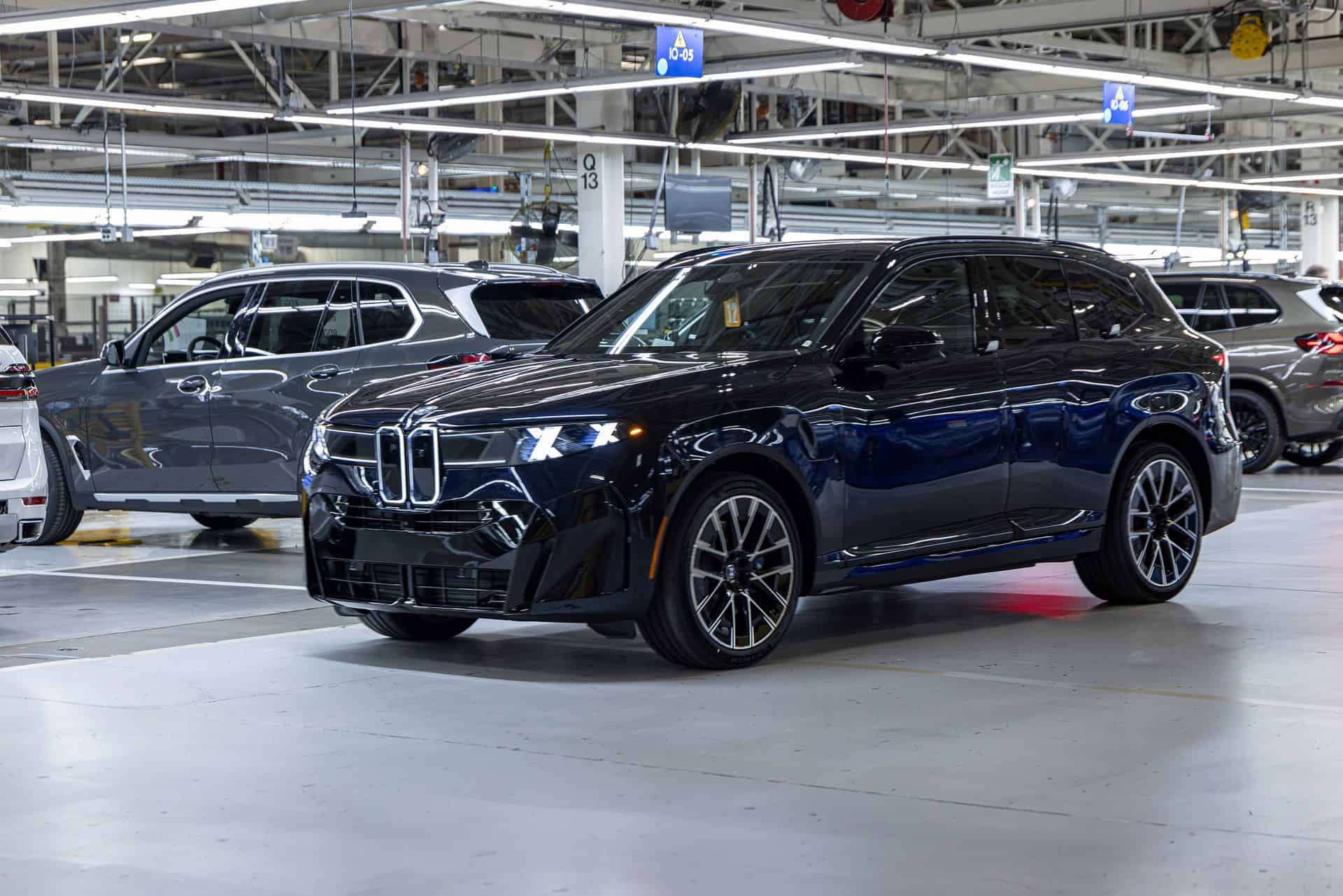
In the first half of 2026, plug-in hybrids outsold diesels in the European Union for the first time, 9.8 percent market share to 7.5. The new G65 X5 offers a single diesel option, a mild-hybrid 40d making 670 Nm. That is 70 Nm less than what a 2012 engine produced.
An electric motor delivers instant low-end torque with zero plumbing, zero turbo staging, and zero diesel stigma. No engineer at BMW is going to propose a three-turbo diesel to a product planning committee in 2026 and keep a straight face.
The N57S was heavy, expensive, complicated, and restricted to markets where tax codes rewarded small displacement over big power. It was also the most torque BMW ever wrung from a six-cylinder, in an era when the company still believed diesel deserved the full M Performance treatment.
The newest X5 diesel makes less torque than an engine built 14 years ago. BMW could build a stronger one. It just has no reason to try.

Share this Story