
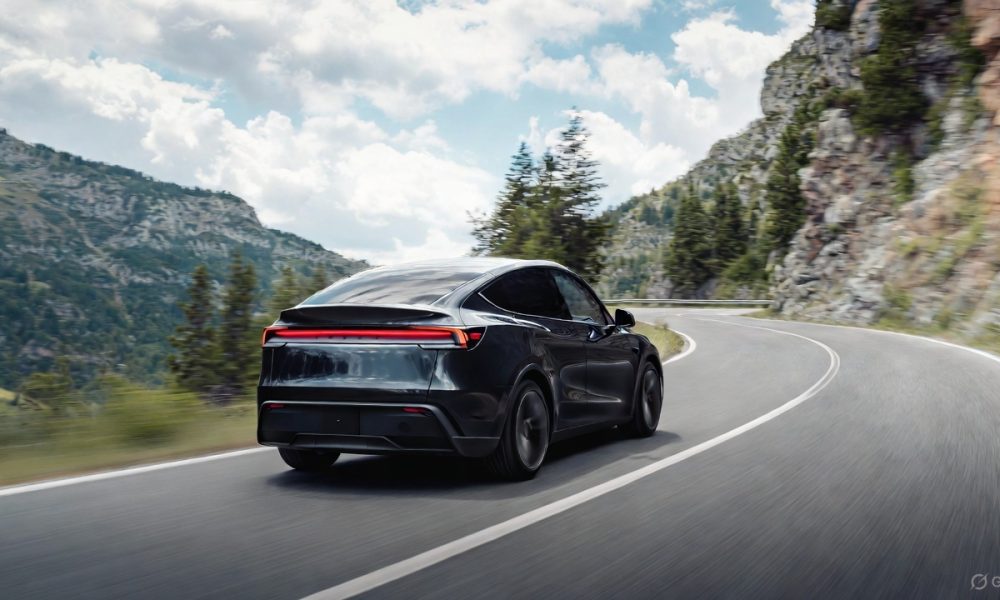


The European Union will not vote on Tesla’s Full Self-Driving system on October 6. The draft agenda for the Technical Committee on Motor Vehicles’ 119th meeting lists only a 25-minute “continuation of discussions” on the Dutch exemption request, not a decision. December is now the earliest a bloc-wide vote could happen.
Elon Musk’s response on X was a single word: “Sigh.”
This is the third time the committee has discussed the file without acting on it. Tesla Europe had publicly pointed to October 6 as the target after the Dutch vehicle authority RDW granted the first European type approval back on April 10 under UN Regulation 171 and an Article 39 exemption.
Seven countries have gone ahead on their own: the Netherlands, Lithuania, Estonia, Denmark, Belgium, Slovenia, and Czechia. Those nations cover about 53 million people, roughly 12 percent of the EU population. The software is live and in daily use in all seven.
That is where the math gets uncomfortable. EU-wide authorization requires a qualified majority of at least 15 member states representing 65 percent of the bloc’s population, around 292 million people. Germany, France, Italy, and Spain hold the keys. France has already rejected the current system outright.
Several other governments have flagged speed-limit compliance as the main friction point.
Tesla is not going quietly. On September 1, Tesla Europe disclosed that FSD Supervised was running on more than 70,000 vehicles across the continent, logging over one million kilometers per day. The company claimed the system was 4.1 times less likely to be involved in a crash than manual driving over 100 million kilometers on EU public roads.
An earlier mid-year dataset covering 65 million kilometers in five approved countries put that figure at 5.2 times, with zero highway collisions across 41.9 million kilometers. Those numbers are company-reported and have not been independently audited. That distinction matters when you are asking 20 more national governments to trust them.
The public safety backdrop is blunt. European countries recorded about 19,400 road fatalities in 2025, roughly 53 per day, most attributed to human error. FSD Supervised does not remove the driver from the equation. The person behind the wheel remains legally responsible.
But the technology is already operating legally in Prague, Amsterdam, Tallinn, and Copenhagen while regulators in Paris and Berlin continue reviewing it.
The gap between those two realities is the real story. A driver-assist system with a growing safety record is simultaneously approved and restricted across the same economic bloc, depending entirely on which side of a border you happen to be on. Every month without a vote adds more kilometers to the dataset in countries that said yes and more political cover to countries that have not.
December’s committee session now carries the weight of three postponements. If it slips again, the patchwork gets harder to justify in either direction. Tesla will have even more data.
Skeptical governments will have had even more time to study it. And 53 people a day, on average, will have died on European roads in between.
The committee’s next agenda has not been published yet.


Share this Story