
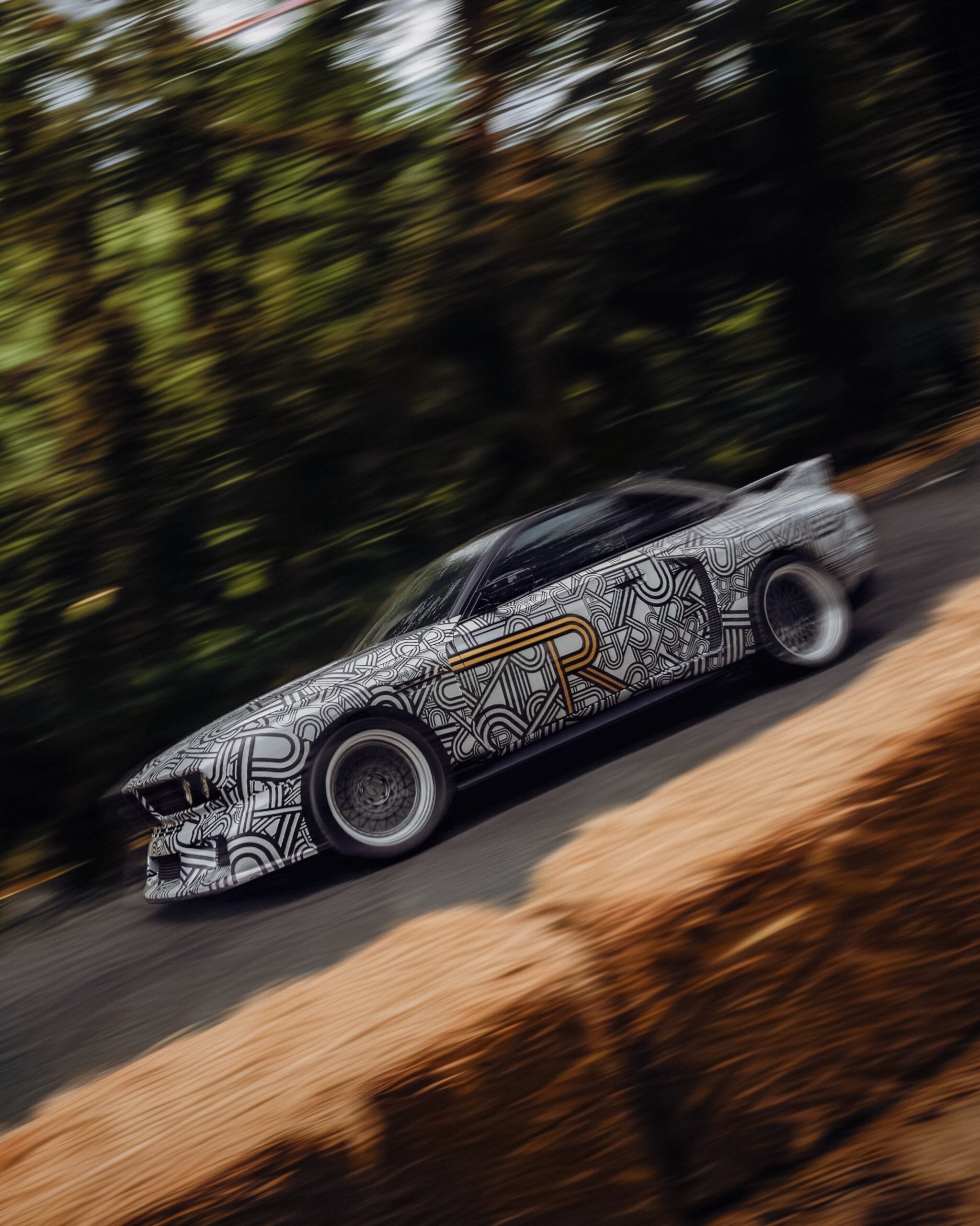


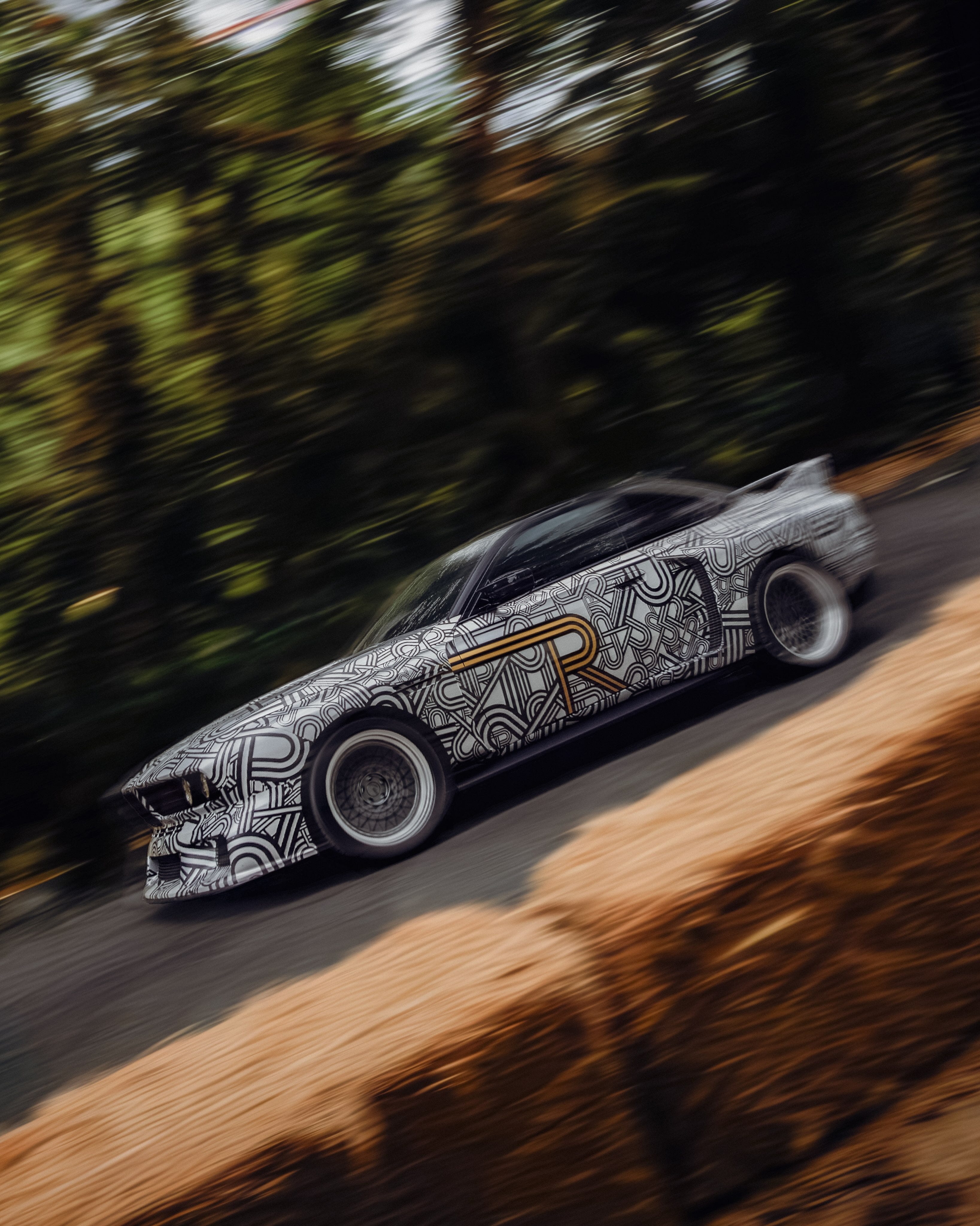
Riverti Automobili, a small Italian coachbuilder most people have never heard of, wants to do what BMW itself couldn’t quite pull off. The company is rebodying the current BMW M2 to look like the legendary 1972 3.0 CSL, the wild-aero touring car racer nicknamed the Batmobile that launched BMW’s entire motorsports identity.
The logic is sharper than you might expect. When BMW tried this trick three years ago with its own limited-run M4 CSL homage, priced at $750,000 for just 50 units, the proportions never quite landed. The modern M4 is simply too large, a bloated canvas for a design that worked because it was taut and aggressive on a relatively compact body.
The M2, though, is a different story. Its length and wheelbase land much closer to the original E9 coupe that spawned the 3.0 CSL. The M2 is wider than its ancestor, but that actually helps accommodate the CSL’s famous flared fenders and muscular haunches without looking cartoonish.
Riverti is using carbon fiber for the widebody panels, a nod to the CSL name itself: Coupe, Sport, Light. The teaser images show a shape that reads as authentically 1970s from a distance, with the signature tall greenhouse, slim pillars, and that menacing rear wing the original factory shipped loose in the trunk because German road regulations wouldn’t allow it pre-installed.
Underneath all that retro sheetmetal sits the M2’s S58 twin-turbo inline-six, a 3.0-liter unit producing 473 horsepower in stock form and available with a six-speed manual. Riverti hasn’t disclosed any power modifications, weight targets, or production numbers. Price is also unannounced, but given the bespoke carbon bodywork and the niche market for this kind of machine, expect a figure that makes the M2’s $64,900 base price look like a rounding error.
The timing is curious. BMW’s own modern CSL tribute came and went without much cultural impact beyond auction-house speculation. The cars were too expensive, too scarce, and too visually disconnected from the original to become the halo machines BMW intended. Riverti is betting that a smaller, cheaper starting platform and more faithful proportions can succeed where the factory stumbled.
There’s a quiet implication in Riverti’s choice of the M2, too. The G87 has been one of BMW’s most critically praised driver’s cars of the last decade, a 10Best winner that enthusiasts adore from the firewall back but tolerate from the firewall forward. The styling has been polarizing since day one, all swollen surfaces and blunt angles that some have compared to a Minecraft rendering. Draping it in E9-inspired lines solves the one problem nobody at BMW Munich seemed willing to address.
If Riverti pulls this off, the M2’s boxy dimensions open another door. The E30 M3, BMW’s other sacred homologation special, shares a similar compact footprint. A coachbuilt E30 tribute on M2 bones would practically sell itself to a generation of enthusiasts who grew up with posters of the original on their bedroom walls.
For now, Riverti is playing the slow reveal, dripping out renderings and teaser shots without committing to a timeline. The company has yet to show a finished car in the metal, and the gap between a sexy rendering and a production-ready rebody is where most boutique projects quietly die. Whether Riverti can bridge that gap remains the only question that matters.

Share this Story