
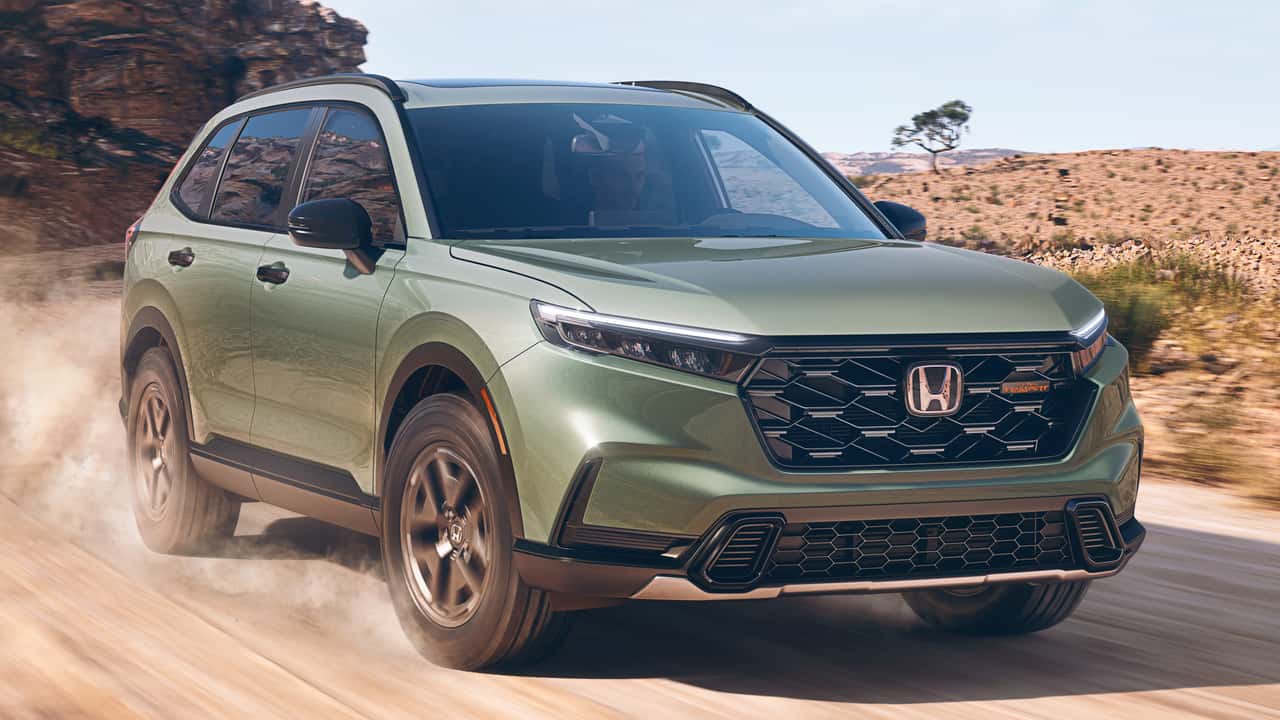


Honda is reportedly pulling production of its next-generation CR-V Hybrid forward to February 2027 in Canada, with American factories following one month later. The timeline, first reported by Nikkei Asia, is earlier than originally planned and signals how urgently Honda wants its revamped hybrid lineup on the road.
Honda didn’t confirm the specifics. Its official response was carefully lawyered: “This was not announced by Honda. While we cannot comment on specific future product plans, Honda remains on track to introduce next-generation HEV models beginning in 2027, featuring an all-new hybrid system and platform.
That non-denial denial tells you plenty.
The CR-V is Honda’s best-selling nameplate, and launching the new hybrid powertrain there first is pure math. You put your newest tech in the vehicle that moves the most metal. Toyota did this with the RAV4 years ago, and it worked.
The new hybrid system promises to be slimmer and lighter than the current setup, with a claimed 10 percent cut in fuel consumption and a 30 percent reduction in production costs. Honda is building new 1.5-liter and 2.0-liter four-cylinder engines specifically for the architecture. A more muscular version pairing with a new V6 is earmarked for larger models destined for the American market.
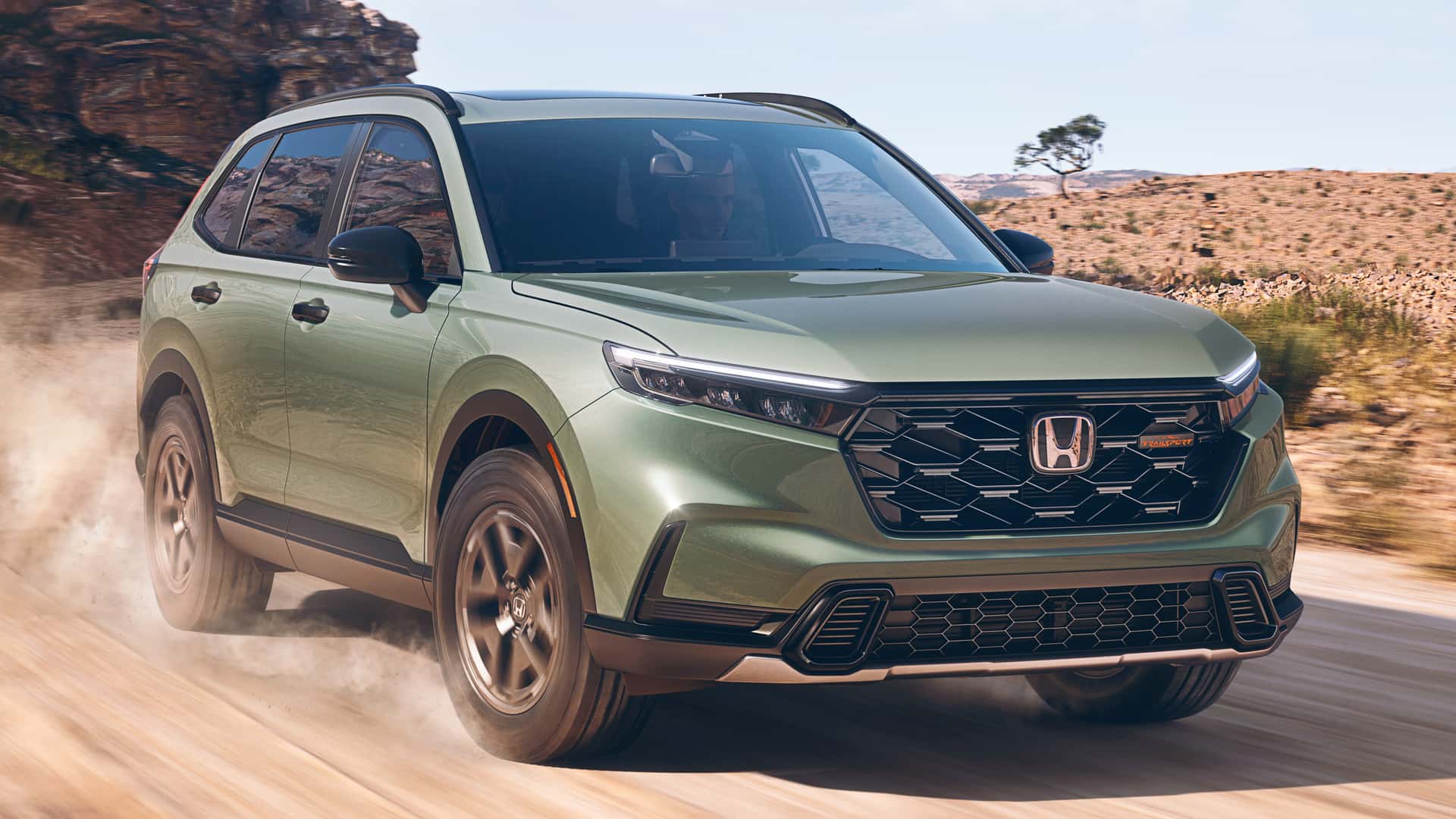
The CR-V Hybrid is expected to be one of 15 global models carrying the next-generation hybrid tech between 2027 and March 2030. Nikkei Asia also reports that an Acura variant based on the CR-V is in development, almost certainly the next RDX. Both could end up hybrid-only, following the same playbook Toyota is adopting with the RAV4.
This whole pivot has a backstory that Honda would probably rather not dwell on. The company recorded massive losses from its EV push and canceled multiple electric models, including some that never made it to production. The once-firm commitment to go all-electric by 2040 is dead. Hybrids are the new center of gravity.
The market is backing that bet. Honda’s current hybrids are selling briskly as fuel prices climb, giving the company both financial cover and consumer validation for doubling down. The CR-V Hybrid already accounts for a substantial share of CR-V sales. A next-gen version with better efficiency and lower production costs only strengthens that position.
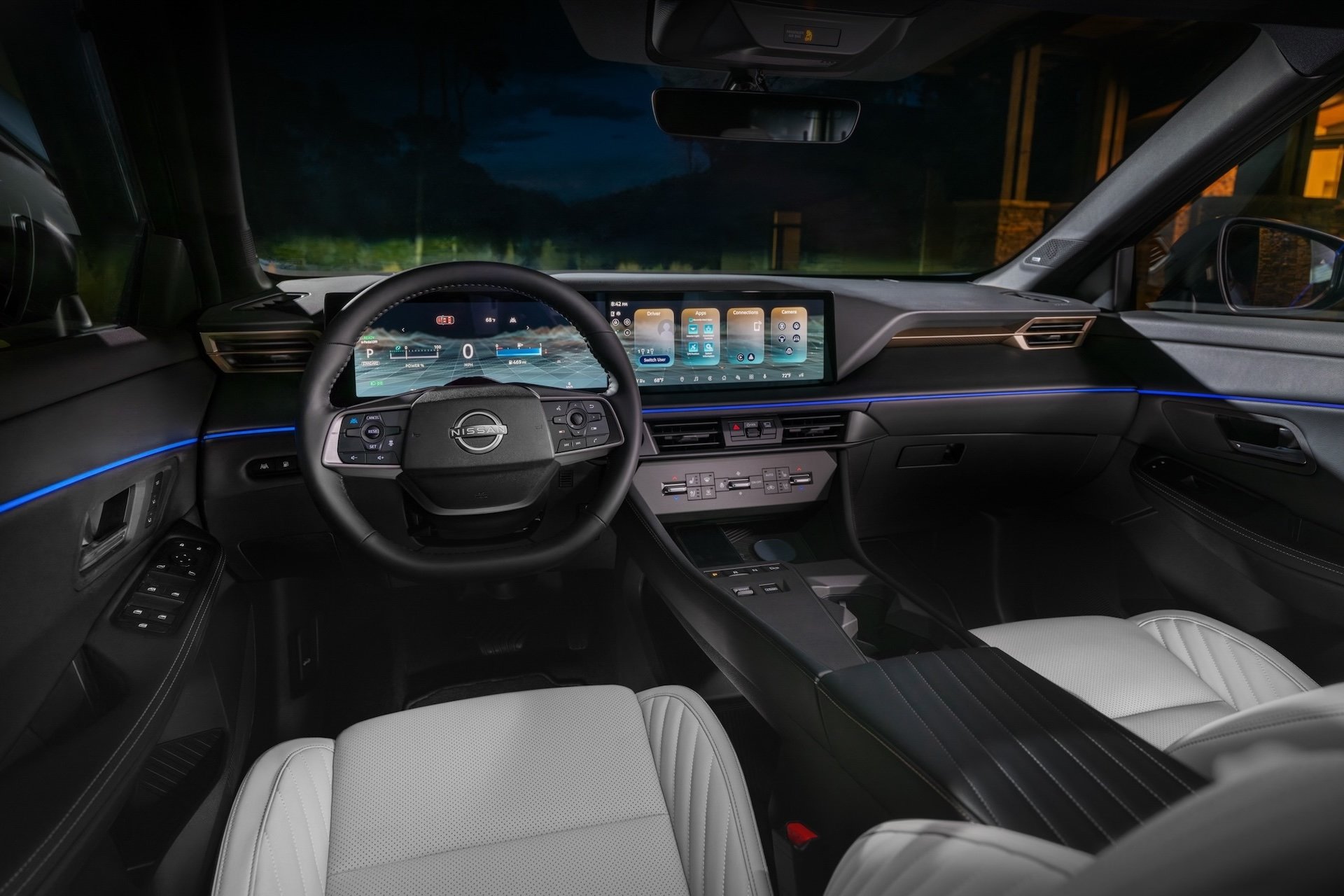
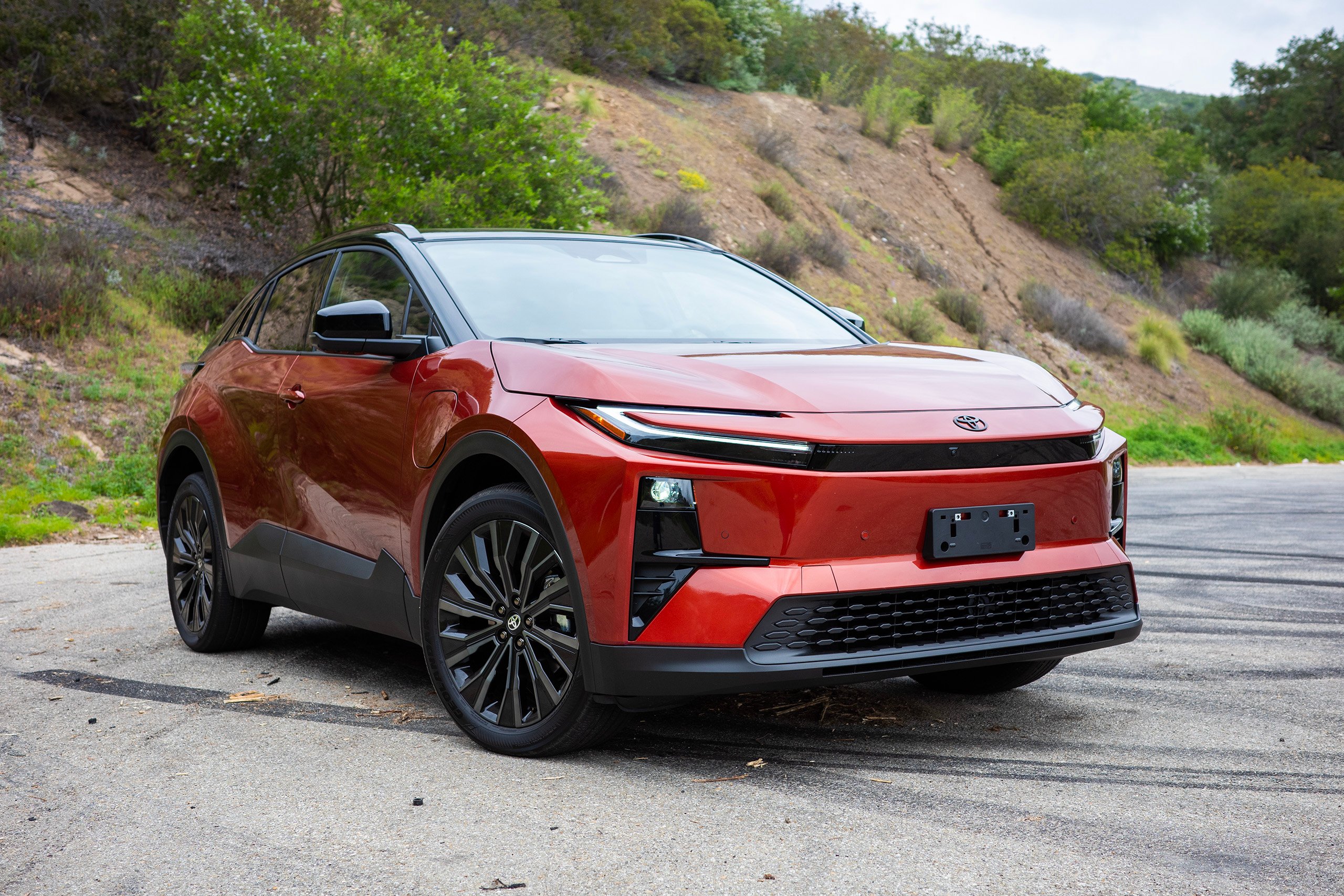
The timing also puts Honda on a collision course with the 2027 Nissan Rogue Hybrid and whatever Toyota has planned for the next RAV4. The compact crossover hybrid segment is about to get very crowded, very fast. Honda moving up its production schedule suggests it does not want to cede any ground.
What remains unclear is how much of the CR-V changes beyond the powertrain. Honda referenced “an all-new hybrid system and platform,” which implies more than just a drivetrain swap. Whether the next CR-V gets a full redesign or a heavy refresh built around the new architecture is something Honda is keeping close.
Production cost reductions of 30 percent are not trivial numbers. If Honda hits that target, it could price the CR-V Hybrid more aggressively or protect its margins in a market where tariffs and material costs keep squeezing everyone. Either outcome changes the competitive equation.
February 2027 is less than two years away. For an automaker that just scrapped its EV roadmap and is rebuilding its electrification strategy around hybrids, that timeline is tight. Honda is betting the CR-V can carry the weight of that transition. It has before.

Share this Story