
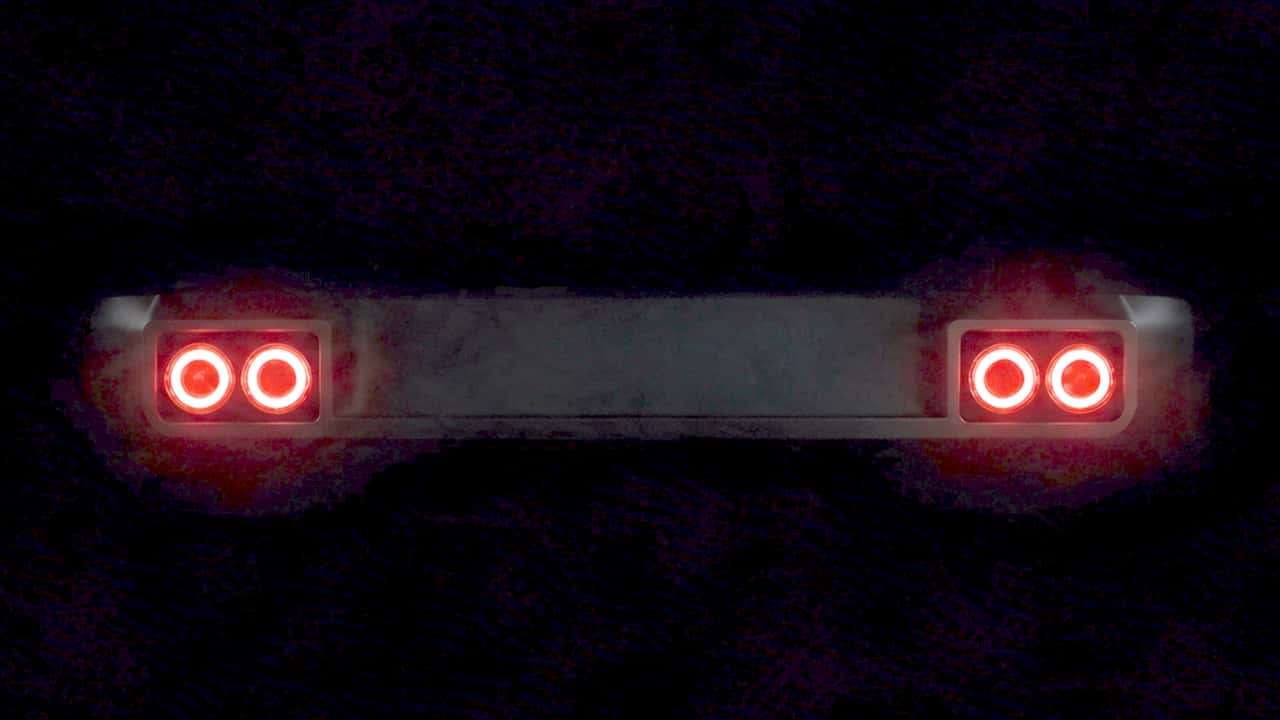


Frank Stephenson has designed some of the most recognizable cars of the last four decades. The modern Mini, the first BMW X5, the Ferrari F430, the Maserati MC12, the McLaren P1. Now he’s drawing trucks for a company that doesn’t yet have a factory.
REO Trucks, a Dallas-based startup reviving a nameplate that hasn’t sold a vehicle since the 1970s, confirmed on September 21 that frankstephenson design is leading the styling of its entire Runabout lineup. Three trucks share one body-on-frame platform: the T4X work truck, the T4C crew cab, and the S4C SUV.
The studio is already in the detail phase, REO says. A digital reveal is planned for later this year, with a physical vehicle to follow in 2027 and pilot builds after that. First deliveries are targeted for late 2028 or 2029.
REO’s pitch isn’t horsepower or tech. It’s the opposite. Every Runabout uses an inline four-cylinder gasoline engine, physical switches and levers for every control, and body panels that come off in under five minutes with common tools. The company says no component will ever be software-locked through parts-pairing, and the powertrain is engineered to last 500,000 miles.
Published parts prices, a 20-year catalog commitment, and an open marketplace for authorized aftermarket manufacturers round out the package. It is a direct counter-pitch to the direction Ford, GM, and Ram have taken their trucks, where over-the-air updates, subscription features, and dealer-only diagnostic software have become standard friction points for long-term owners.
Stephenson called the brief “unusually clear” for a designer. “Simple, honest and built to last,” he said, describing what REO’s team told him the trucks needed to be.
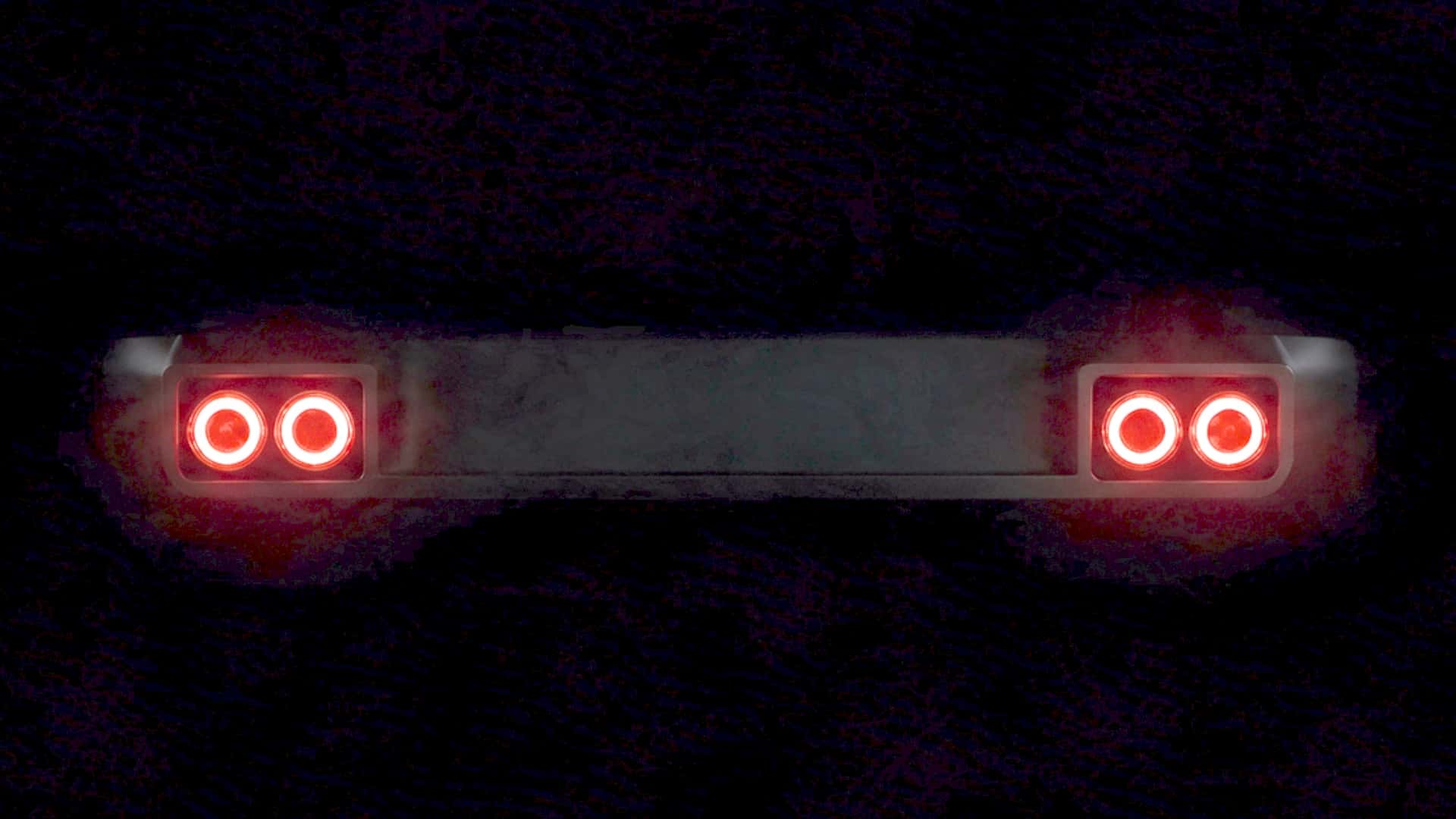
Zach De Bernardi, REO’s founder and CEO, framed the hire around Stephenson’s history of reviving dormant nameplates, pointing to the Mini and Fiat 500 as proof. “We couldn’t have chosen a better partner to help us honor Ransom Eli Olds’ legacy,” De Bernardi said. Olds founded the original REO Motor Car Company in Lansing, Michigan in 1905 after leaving Oldsmobile.
More than 32,500 paid reservations have come in so far, each backed by a refundable $25 deposit. That is a small financial commitment from buyers but a useful gauge of interest for a company still years from production.
Stephenson lending his name to a startup at this stage is unusual. His prior revivals, the Mini for BMW, the 500 for Fiat, were backed by automakers with existing manufacturing, crash-test infrastructure, supplier chains, and billions in capital. REO has none of that yet. It has a concept, a philosophy, deposits, and now a famous designer.
The truck market is not short on entrants promising to be different. Rivian burned through billions before reaching sustained production. Lordstown Motors collapsed entirely.
What REO is selling, philosophically, resonates with a real and growing frustration among truck buyers who want a machine they can fix in their own garage without a dealer’s proprietary scan tool. Whether that frustration alone can fund crash testing, EPA certification, NHTSA compliance, and a half-million-mile durability target is a question Stephenson’s sketches cannot answer.
The digital reveal is expected before the end of the year. That will be the first real look at what Stephenson’s team has drawn. Everything after that depends on money, engineering, and time, three things startups always underestimate.

Share this Story