
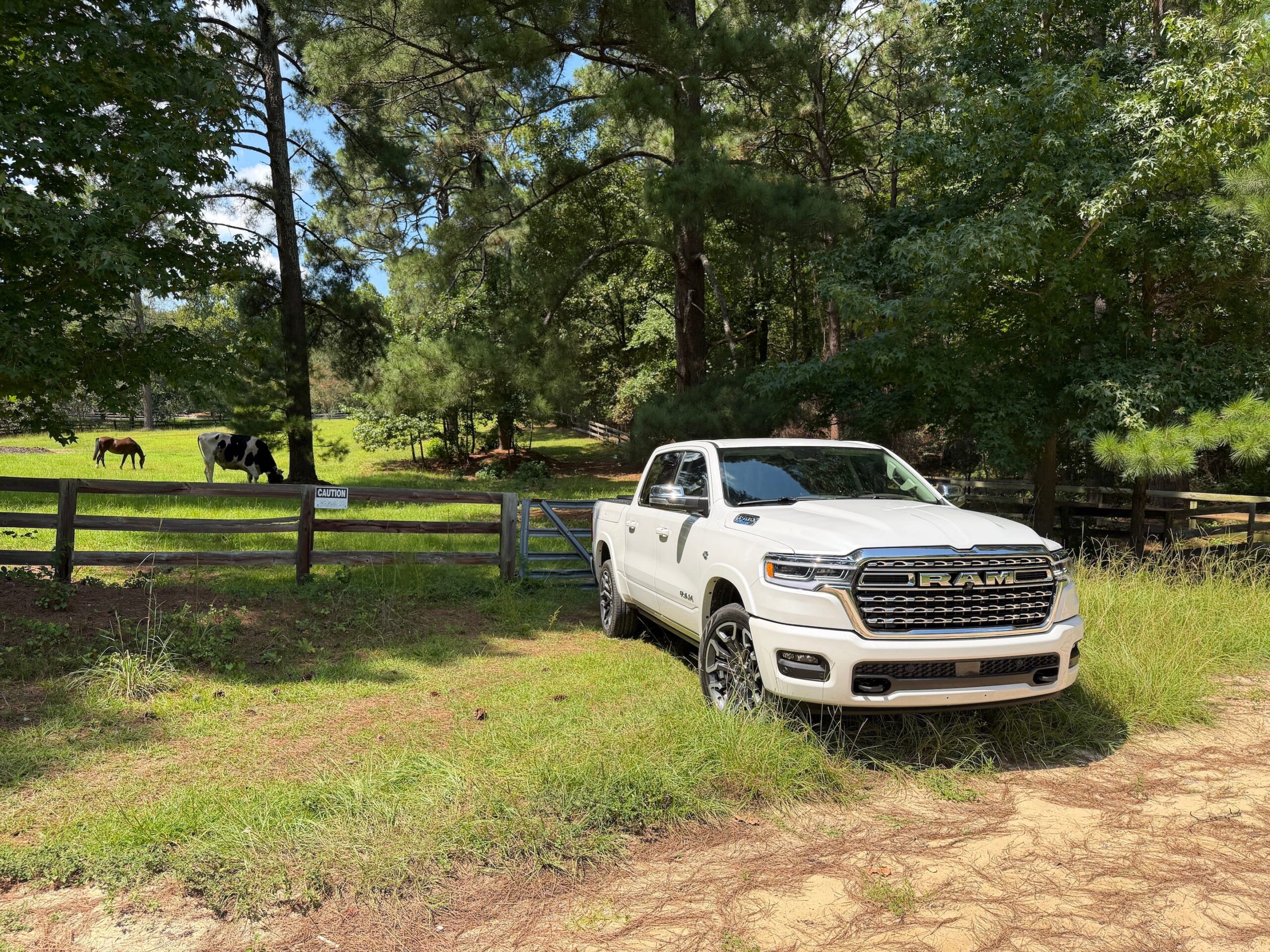


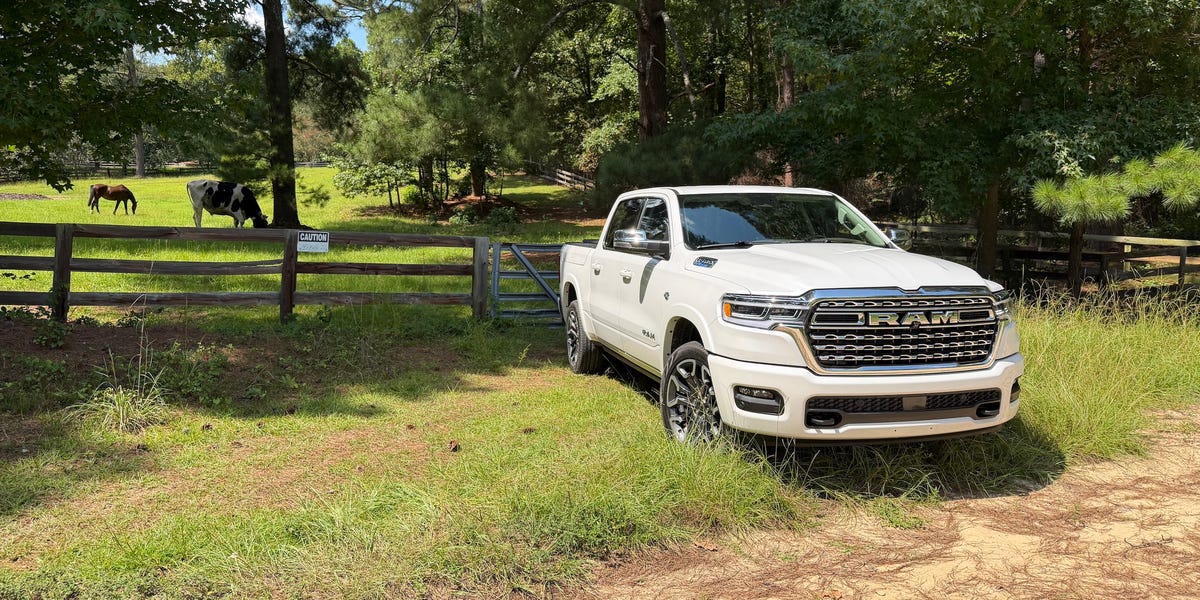
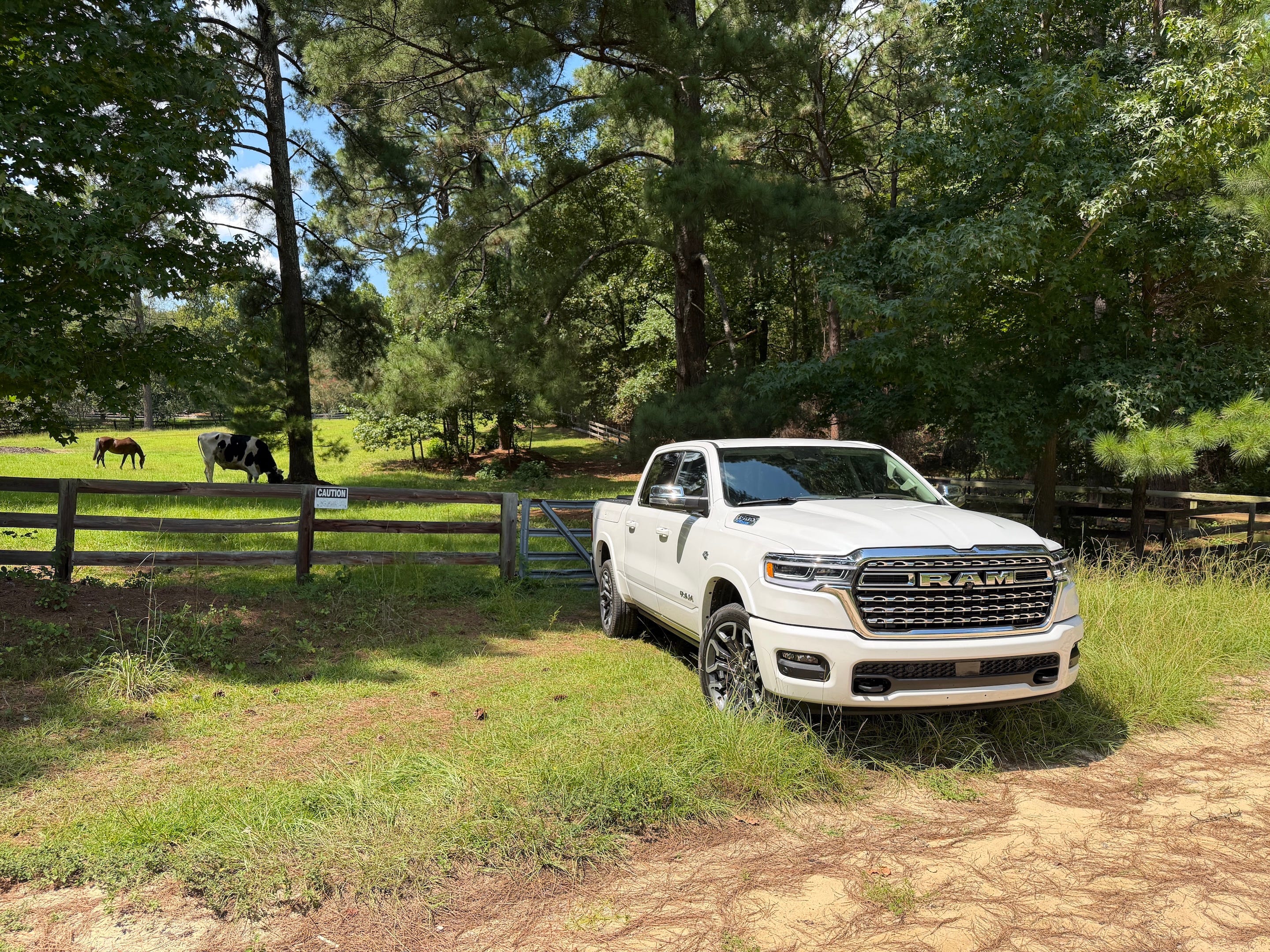
Ram sells nearly 375,000 trucks a year. Some portion of those roll off the line wearing barn wood trim, branded leather, and hammered aluminum, all designed to whisper “handcrafted” while being assembled at industrial speed. The Ram 1500 Limited Longhorn is an $89,085 exercise in manufactured individualism, and the contradictions baked into that idea tell you everything about where the luxury truck market has landed.
The Longhorn debuted in 2011, and Ram immediately ran into a supply problem it should have seen coming. The original interior trim came from actual old fence posts scarred by barbed wire. Authentic, yes. Scalable, no.
When sales took off, the company had to find a way to fake what was real. Their solution is clever, if slightly absurd. Real oak gets sawed at a 45-degree angle so the blade marks differ truck to truck.
The Longhorn logo is heat-branded into each piece, and because wood reacts inconsistently to a hot iron, every dashboard ends up slightly different. Lead designer Jon Gaudreau calls this “perfect imperfection.” The phrase sounds like something from a luxury brand’s mood board, which is exactly where it came from.
The leather created its own headache. Ram uses full aniline hides, the top grade, which means natural markings and creases show through. Customers saw those variations and assumed their $89,000 truck had defective seats.
Ram’s fix was to design hang tags explaining that the imperfections were proof of quality, not negligence. The tags compare the leather to a horseman’s saddle and promise it will “age to a one-of-a-kind appearance.” It is a strange moment in automotive history when a manufacturer has to convince buyers that the expensive thing they bought is, in fact, expensive.
Laser-etched filigree on the leather trim varies in depth from truck to truck, exposing different tones in the hide. Every detail is engineered to look like it wasn’t engineered at all. Ford does the same dance with the King Ranch, Chevy plays it with the High Country, and Toyota named its version after the address of a historic Texas ranch.
One in six pickups sells in Texas, so the math works, but these trucks move in every state. The cowboy aesthetic has gone national, detached from geography the way a Nashville hat shop is detached from actual cattle work.
Gaudreau argues the look won’t date itself. “It’ll age well because it’s not a trendy thing,” he says. Earth tones, real wood, and metal don’t chase fashion cycles the way carbon fiber trim and ambient lighting strips do. The Longhorn interior smells like leather, not plastic, and that alone sets it apart from most truck cabins at any price.
What does date itself is the powertrain conversation. The test truck carried the 395-horsepower Hemi V-8 in a lineup that now includes a 540-hp turbocharged Hurricane inline-six. The standard-output Hurricane makes more power than the Hemi and saves an estimated $800 a year in fuel.
Yet Hemi loyalists cling to eight cylinders like a cultural identity. The same buyers who worship Cummins diesel sixes refuse to accept a gas six. Ram keeps offering the V-8 because people keep buying it, which is the same logic that put hang tags on the seats.
The whole truck is a study in tension. Mass production pretending to be craft. Industrial processes designed to simulate the irregular hand of a human artisan.
A cowboy costume worn comfortably in Connecticut. None of this is a criticism, exactly. It works. People climb into the Longhorn and react to it physically, the smell and the texture registering before any design philosophy does.
Ram sold those 374,059 trucks last year without breaking out trim-level numbers, which means we can’t know how many Longhorns are out there. The company prefers it that way. Exclusivity is harder to sell when everyone knows the count.
Share this Story