
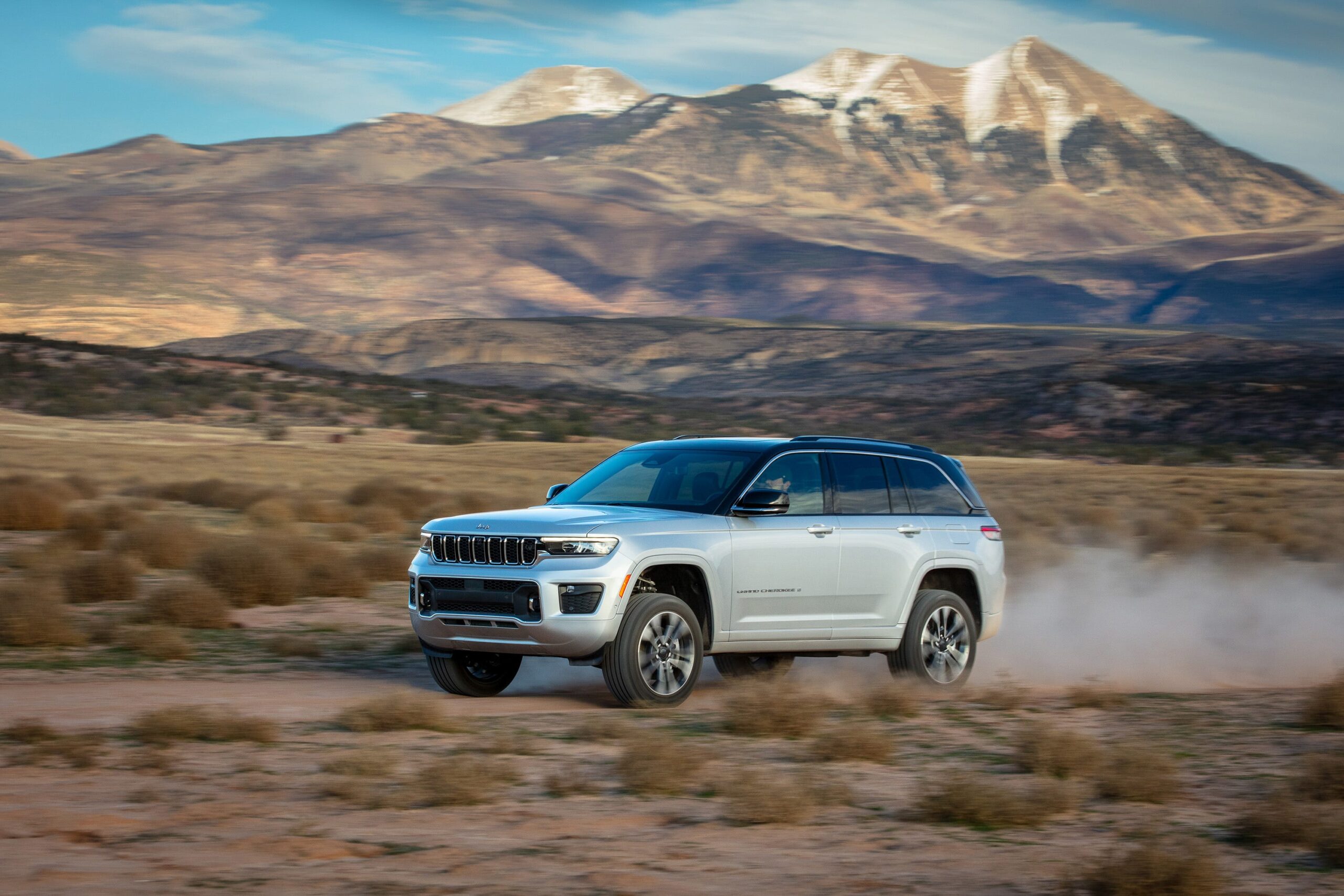


A rear coil spring detaching from an SUV at highway speed is the kind of failure that doesn’t need much explanation. Jeep has recalled 328,381 Grand Cherokee, Grand Cherokee L, and Grand Cherokee 4XE models because incorrectly installed rear coil springs can separate from the vehicle while driving.
The recall covers 2021 through 2023 Grand Cherokee L models and 2022 through 2023 standard Grand Cherokee and 4XE variants. Models equipped with air suspension are excluded, as they use a different setup entirely.
According to documents filed with the National Highway Traffic Safety Administration, the springs themselves are structurally fine. The problem is how they were put in at the factory. An installation error means the coil springs can work loose and part company with the vehicle, turning a critical suspension component into road debris.
Jeep estimates that only 0.1 percent of the recalled vehicles are actually affected. That is still roughly 328 SUVs rolling around with springs that could come unmoored at any moment. The company reported 409 warranty claims and 29 customer assistance records tied to the defect at the time of filing, though no crashes or injuries have been linked to the issue so far.
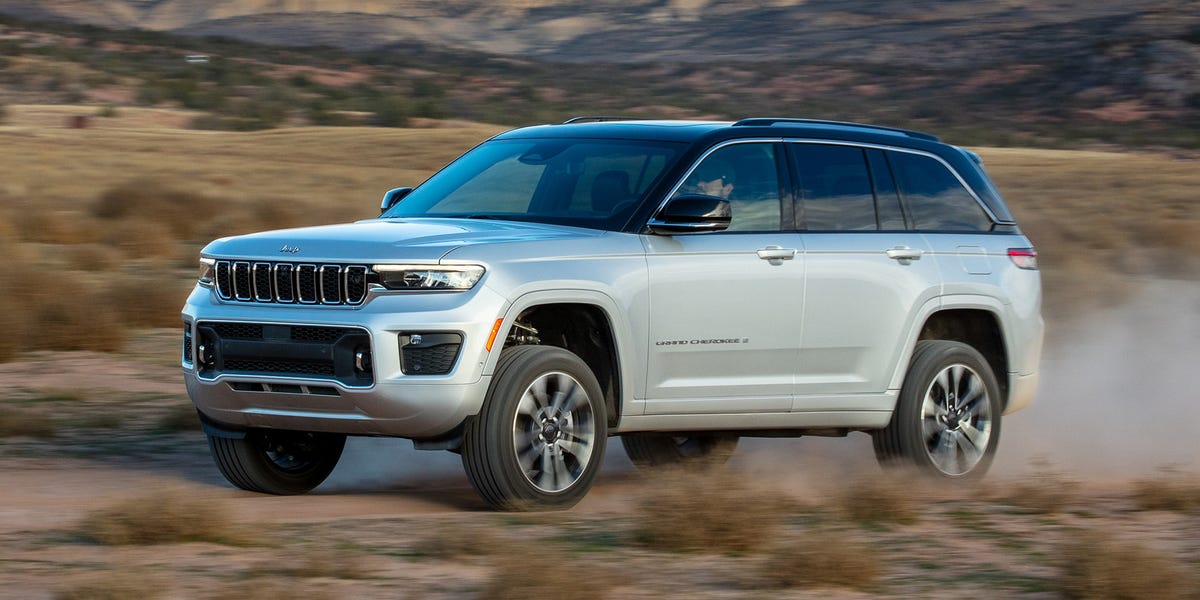
The fix involves replacing the rear coil-spring lower isolators, the rubber seats that keep the spring locked in its perch. Owners will be notified to bring their vehicles to a dealer for the repair at no cost.
This is a manufacturing quality control lapse, plain and simple. Stellantis built these Grand Cherokees during a period when the company was simultaneously launching the new WL platform across three variants, ramping up electrified production with the 4XE, and stretching its workforce thin across multiple plants. Assembly errors like this are what happen when volume outpaces discipline on the line.
The Grand Cherokee is one of the few bright spots in Jeep’s lineup, consistently outselling most of its stablemates. It is also the kind of vehicle that commands $45,000 to $70,000 depending on trim, which makes a “we didn’t install the springs right” recall particularly embarrassing.
Owners who want to check whether their vehicle falls within the recall population can visit the NHTSA recalls website and enter their VIN. Many owners will likely find they are in the clear given the small percentage believed to be affected. But a coil spring bouncing across three lanes of interstate traffic is not a statistical abstraction for the driver behind it.
Stellantis has been drowning in recall activity across its brands for the past several years, from Chrysler Pacifica fire risks to Ram tailgate failures to various Jeep electrical gremlins. Each one erodes the trust that repeat buyers extend to a brand they want to believe in.
The letters should start arriving in owner mailboxes soon. Whether the 0.1 percent figure holds up as more data comes in remains an open question.
Share this Story