
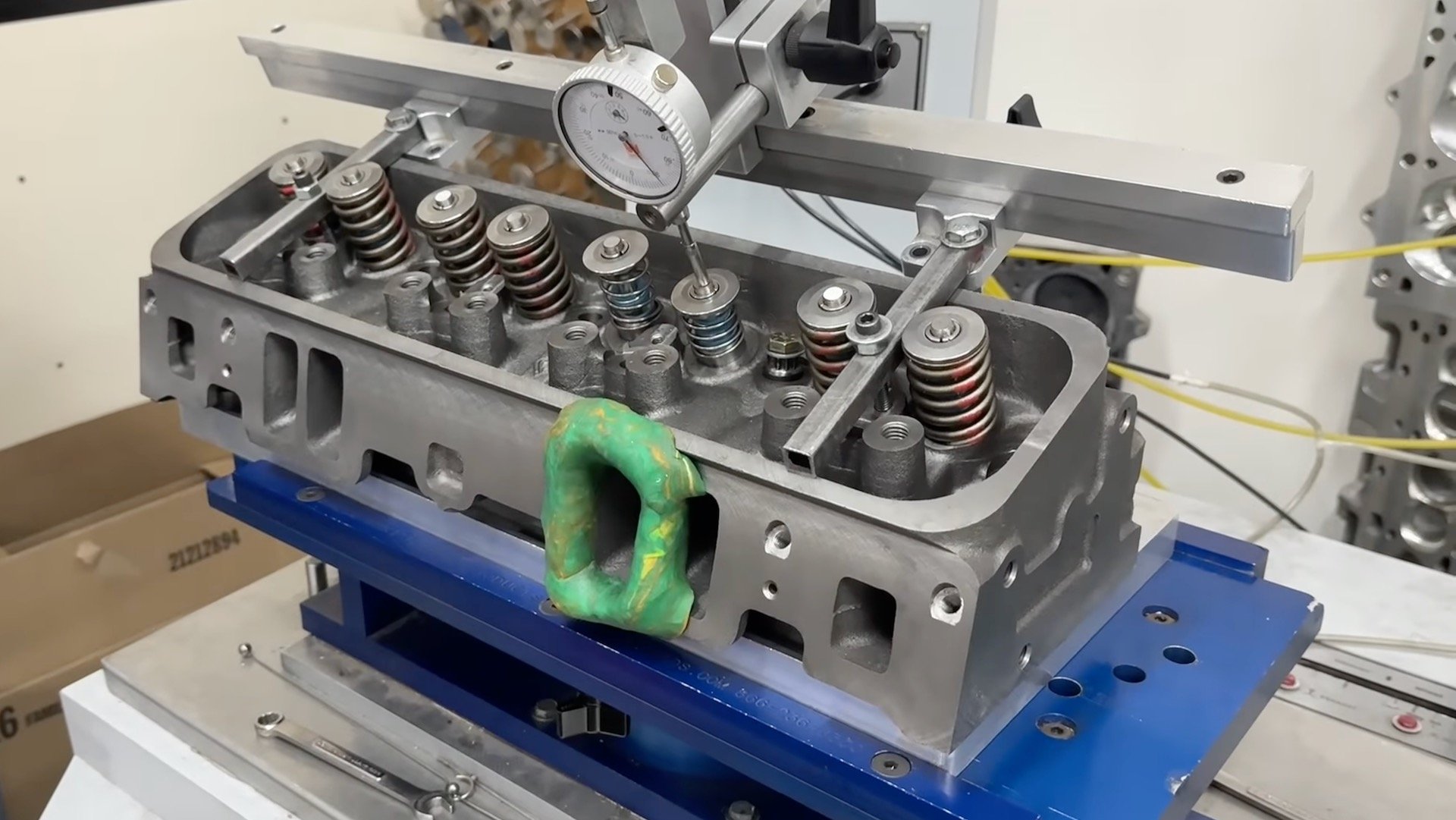


Three hundred and fifty dollars. That bought a pair of assembled Vortec-style small-block Chevy cylinder heads off Temu, shipped to the door.
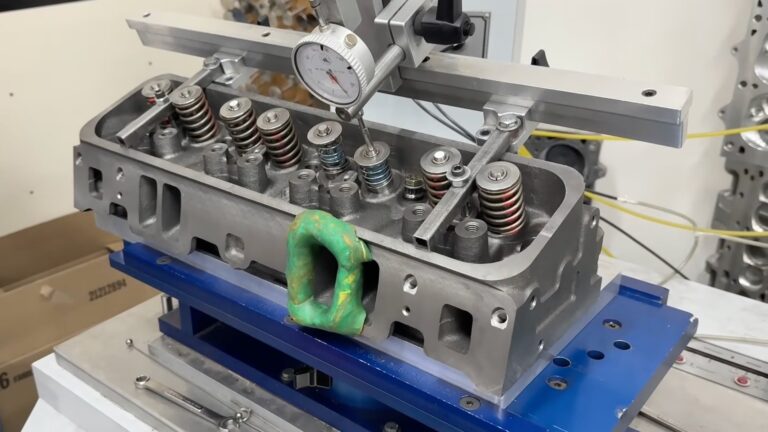
Eric Weingartner, whose company Weingartner Racing builds cylinder heads for a living, put that set on his bench and filmed what he found. The price turned out to be the most honest thing about them.
Start with the math. A cylinder head is a heavy chunk of metal, and Weingartner points out that shipping a pair across the world must have eaten a large slice of that $350.
Strip out the freight and the castings themselves cost almost nothing. You can see where the savings came from.
From the outside, the heads pass the glance test. The intake and exhaust ports look normal, the kind of thing a buyer scrolling a product page would accept without a second thought.
Flip them over and the story falls apart.
Genuine Vortec heads, and the quality aftermarket pieces built to copy them, use a round combustion chamber. The Temu chambers are distorted into something closer to a crooked heart, the sort a kid cuts out for a Valentine’s Day card.
That shape was probably easier and cheaper to machine. It also works against the whole reason anyone buys these heads.
Vortec was GM’s name for a head design that showed up on its engines starting in the mid-1980s. The idea was to spin the incoming air and fuel into a tight swirl inside the chamber so the mixture burns more completely.
That swirl made Vortec heads a popular bolt-on for older small-block V8s. Swap them onto a non-Vortec engine and you should pick up power without much drama.
Should is the key word.
Weingartner ran a vacuum test. The exhaust side sealed. The intake side failed.
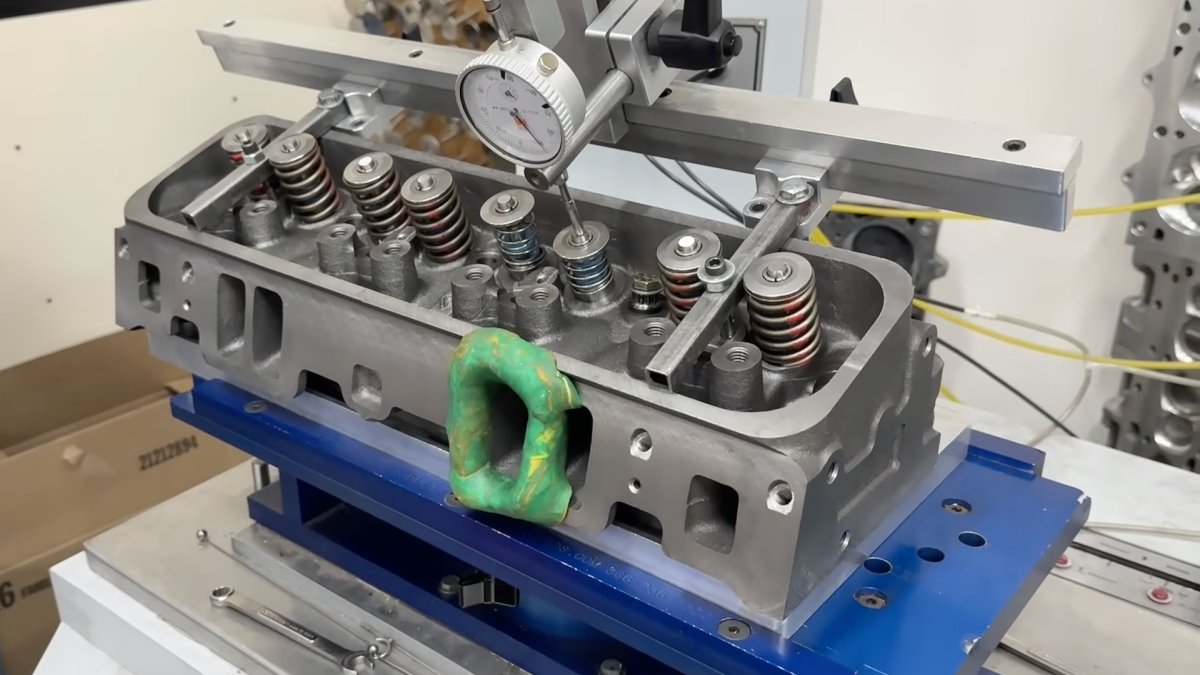
The intake valves had no back cuts, the small angle ground into the back of a valve head to help air slip past it. The valve seats carried a series of sharp angles that choke flow even further.
Then there is the valvetrain. Retainer-to-seal clearance is tight and the springs are weak, which limits the camshafts a builder can run.
Anyone planning a lumpy cam to go with new heads is already boxed in.
Stack all of that together and the flow bench delivered the verdict. Weingartner’s numbers suggest these heads probably aren’t worth bolting on in place of the stock heads on a non-Vortec small block.
Read that again. The upgrade may not beat the parts it’s supposed to replace.
So a buyer pays $350, spends a weekend on gaskets, head bolts, and labor, and could end up right back where they started. Or behind it.
Knockoff parts have always carried this risk. Cheap castings with the right silhouette and the wrong internals are nothing new in the hot rod world.
The one thing Temu can’t be accused of is disguise. Nobody shopping there thinks they’re getting GM-engineered iron, and the listing itself works as the warning label.
The trouble is that the warning only works if buyers read it. A pair of heads at a fraction of the going rate is hard to scroll past when the ports look right in the photos.
Weingartner’s bench shows what those photos leave out. The combustion chamber is where a cylinder head earns its money, and on this set, it’s the first place the corners were cut.
The listings are still up.


Share this Story