
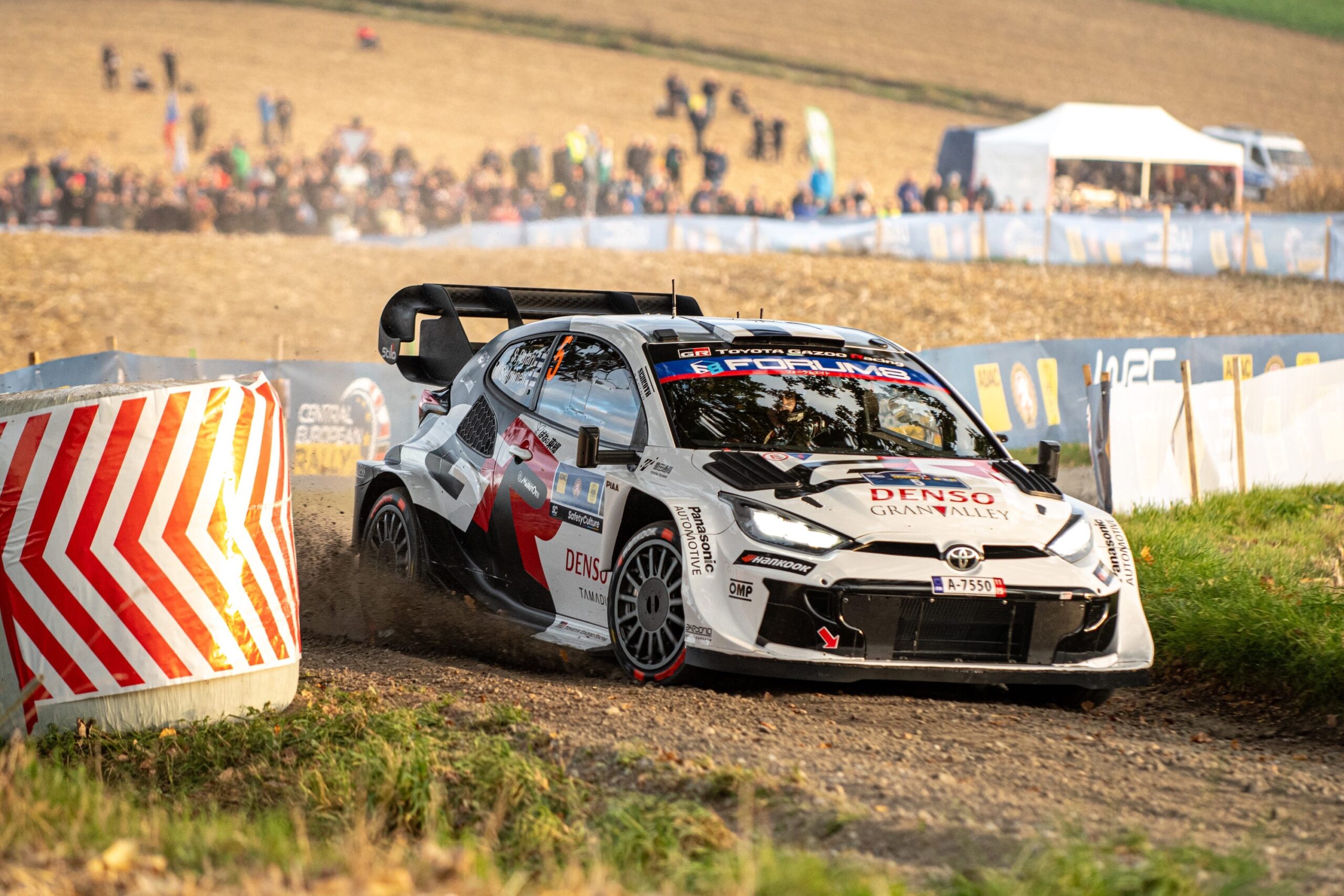


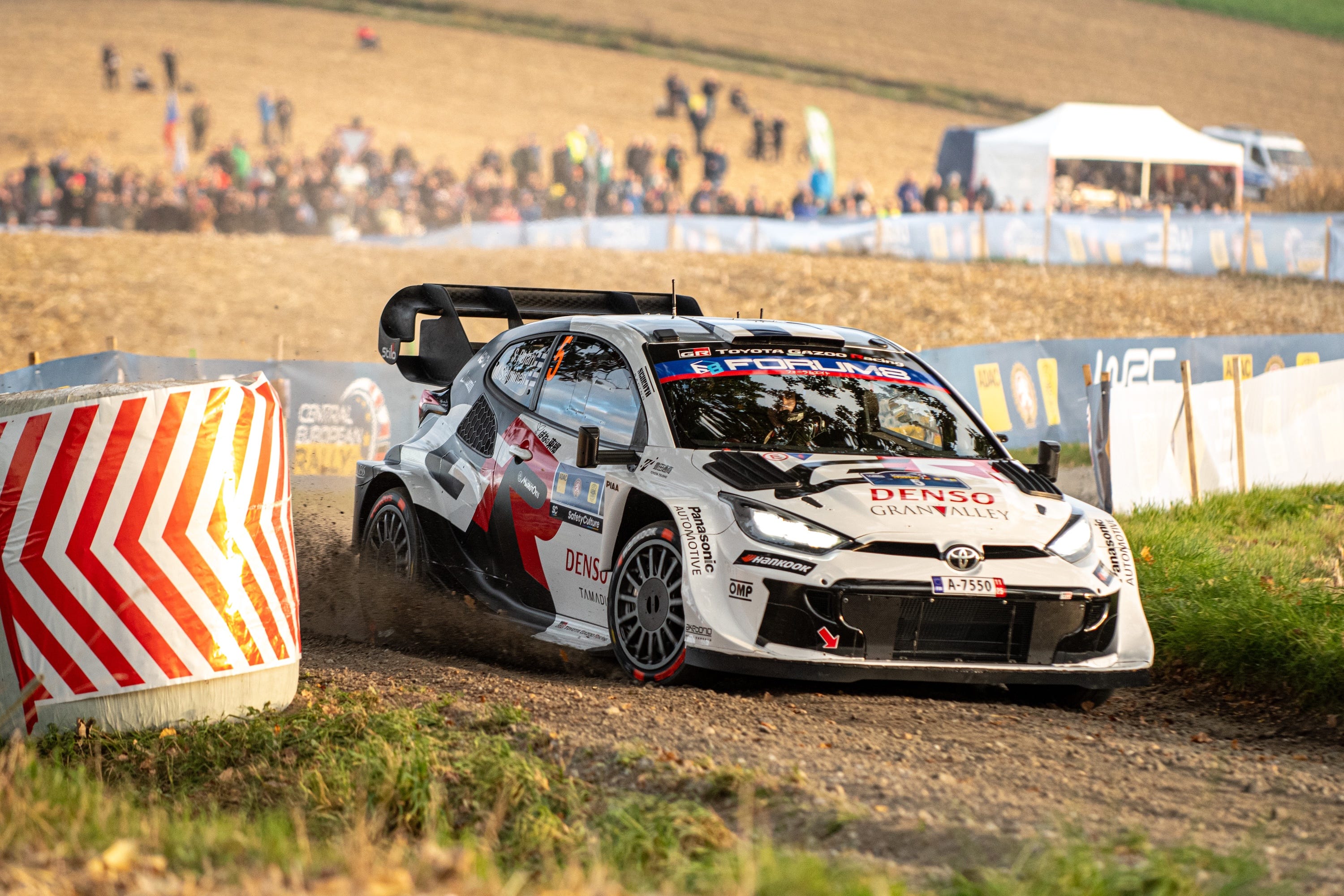
The World Rally Championship is coming back to the United States for the first time since 1988. Rally US lands on the 2027 calendar as round 11 of a 15-event season, scheduled for August 26-29 in the hills of Tennessee and Kentucky.
That 15-round schedule is the WRC’s largest since 2008, and dropping a pin on American soil isn’t just a scheduling curiosity. It’s a calculated bet that the U.S. market, long allergic to anything that isn’t NASCAR or IndyCar, is finally ready for global rally racing.
The FIA hasn’t locked down an official venue, but scouts spent the summer crawling through Tennessee and Kentucky. Reports point to the Knoxville area with stages crossing the state line. Tickets go on sale closer to the event.
Ford is the obvious subplot here, and the timing is almost too convenient. The Blue Oval announced it would return to the WRC with full factory backing starting in 2028, one year after it gets to race on home turf as a guest at its own party. A brand-new WRC car follows in 2029.
Ford has been entangled with the championship since day one, entering a handful of Escorts and Capris in the inaugural 1973 Monte Carlo rally. Only three of its 21 entries finished. The best placed fourth. The relationship has endured through decades of wins and budget cuts, surviving a painful transition to semi-privateer status in 2013.
Now Ford is coming back with a full checkbook, and the U.S. round gives it a stage no marketing department could buy.
The domestic rally scene, governed by the American Rally Association, has always been a scrappier operation. Subaru, Hyundai, and Toyota dominate ARA competition. American manufacturers beyond Ford have largely ignored the discipline.
GM backed Opel’s rally program in the 1980s through ownership, but Chevrolet’s own efforts amounted to a few rally-spec Sonics and Cruzes that nobody remembers. Stellantis sits on a vault of rally heritage through Lancia, Peugeot, and Opel, but none of its U.S. brands have shown interest.
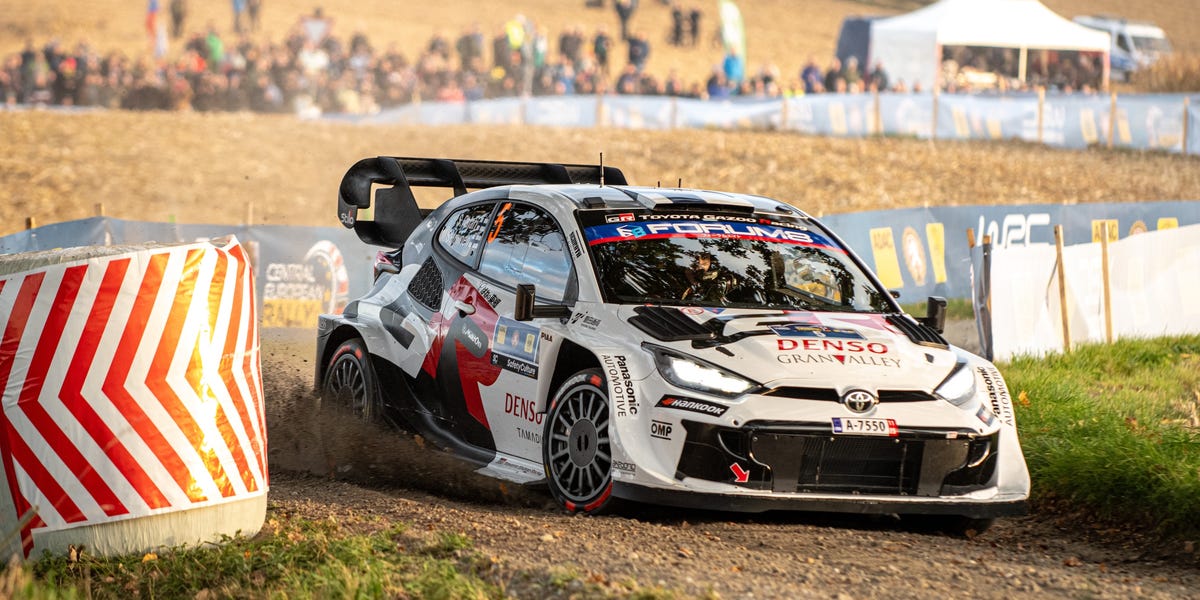
The 39-year gap between American WRC rounds tells its own story. The championship’s last visit was the Olympus Rally in Washington state. Rally culture in the U.S. never died, but it stayed underground, sustained by club events and YouTube clips of Colin McRae sending Subarus sideways through forests.
The WRC’s return is a test of whether that grassroots energy can translate into the kind of attendance and broadcast numbers that justify a permanent calendar slot.
The WRC has been expanding its geographic footprint in recent years, pushing beyond its traditional European and Asian strongholds. Adding the U.S. fits that strategy, but America is a graveyard for motorsport series that misjudge the market.
Formula E tried. MotoGP has struggled for traction. Even F1’s recent American expansion, with races in Austin, Miami, and Las Vegas, has been more about spectacle and hospitality packages than deep-rooted fan culture.
Rally is a different animal. Fans stand in forests and on mountainsides, not in grandstands with bottle service. The WRC will have to figure out how to sell that experience to an American audience accustomed to a very different kind of race weekend.
August in Tennessee means heat, humidity, and unpredictable afternoon thunderstorms. The stages should be fast, loose, and unforgiving. Whether the WRC stays on the U.S. calendar beyond 2027 depends entirely on what happens over those four days in the foothills of the Appalachians.
Share this Story