
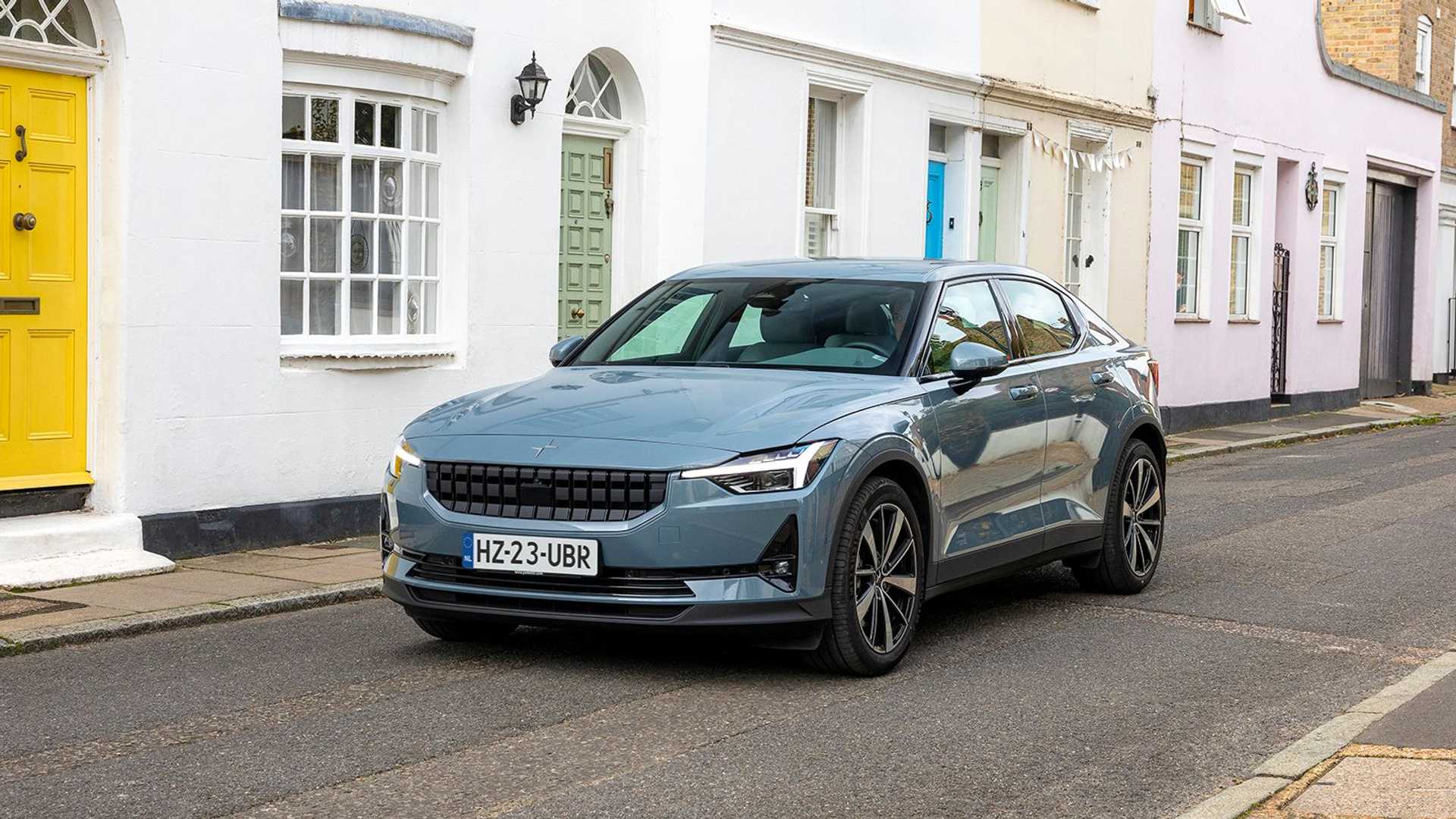


Uber passengers took 207.4 million rides in electric vehicles in the third quarter. That works out to more than 26 EV trips every second, around the clock, for three straight months.
The same company admits its 2030 climate goals “continue to be out of reach.” Both statements come from Uber, and both are true.
Start with the record. EV trips on the platform rose 52% from the same quarter last year.
Uber reported an average of 434,000 active EV drivers from July through September, also up 52%. Another figure in the same reporting puts the number closer to 424,000.
Either way, the curve points up. The trouble is what sits underneath it.
In Europe, one in five Uber trips last quarter happened in an EV. In the U.S. and Canada, it was one in ten.
That gap is not new. Uber’s own charts, going back to the first quarter of 2021, show Europe holding a steady lead in electrification.
Starting in the third quarter of 2024, North America stopped keeping pace. European drivers moved to EVs with help from incentives and a growing charging network, while uptake among American and Canadian drivers stayed roughly flat.
Uber has tried to move the needle itself, offering cash bonuses to drivers willing to make the switch. The money has not closed the distance.
The emissions numbers are blunter than the trip counts. In the U.S. and Canada, every passenger mile on Uber last year produced an average of 318 grams of carbon dioxide.
That beats 2024’s 340 grams. It is worse than 2023’s 306.
Read that again. Two years on, with record EV adoption in the headlines, the North American fleet is dirtier per mile than it was in 2023.
Plenty of drivers who joined the platform for extra income did it in gas or diesel cars. They arrived faster than the electric ones.
Europe looks cleaner but not much tidier. Uber trips there produced 186 grams of CO2 per passenger mile last year, lower than 2024 and 2023 but still above the 183 grams recorded in 2022.
Uber blames the transatlantic gap on two things. European drivers lean harder into EVs and hybrids, and stricter fuel economy reporting standards in the U.S. inflate the American figure.
Then come the targets. For 2025, Uber wanted every ride in London and Amsterdam to be zero emission, and it finished at 41%.
It also aimed for half of all mobility miles in seven European capitals to be electric. The year closed at 32%.
Those were the near-term goals, set in the most EV-friendly cities on the map. The company missed almost all of its 2025 sustainability targets.
The big one is still on the books. By the end of 2030, Uber wants 100% of rides in Canada, Europe, and the U.S. to be zero emission.
On current trends, the company concedes it will not get there, and the shortfall is shaping up to be wide. Uber says it remains “deeply committed to this transition” but notes that many of the levers sit outside its control.
Charging infrastructure, government incentives, and the price of a used EV are not things a ride-hailing app can set. The drivers choose the cars.
For now, a growing number of them in North America are still choosing gasoline. The 2030 deadline is five years out.



Share this Story