
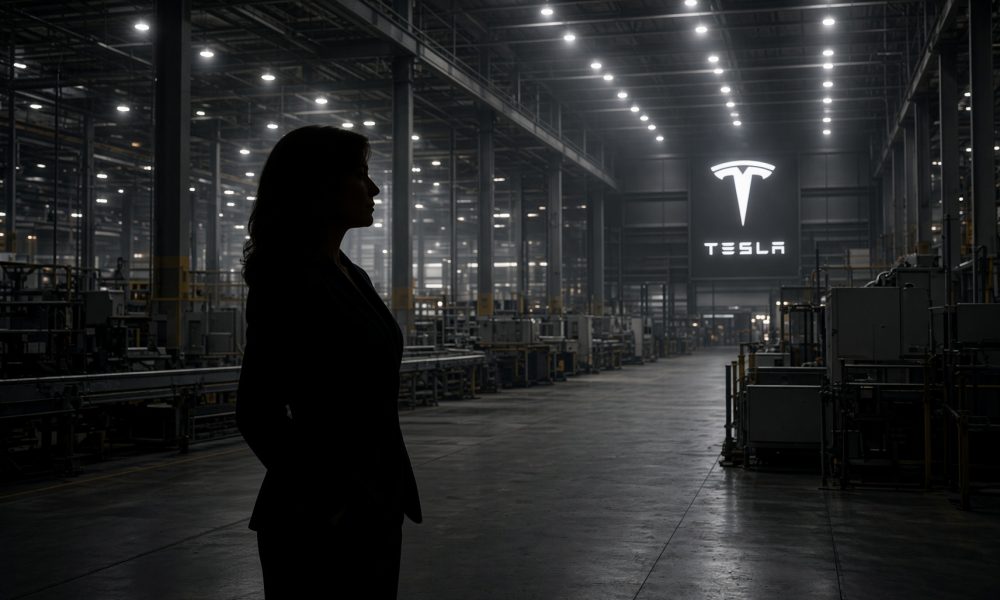


The biggest corporate deal ever attempted could be announced as soon as December. The people putting it together still haven’t figured out how to keep Shanghai and the Pentagon under one roof.
Bloomberg reported Thursday that Tesla and SpaceX are moving closer to a combination, with boards and advisers now hammering out terms and governance. The announcement could also slip into early 2027.
Either way, the clock has sped up. Earlier reporting pointed to an announcement in the first half of next year and a close before President Donald Trump leaves office.
Investors liked what they heard. Tesla rose as much as 1.9% to $398.35, and SpaceX gained 0.6% to $140.63.
The scale is hard to overstate. SpaceX is worth roughly $1.9 trillion after its June IPO, and Tesla sits around $1.55 trillion. Put them together and you get the largest corporate deal on record.
The most important number hasn’t been settled yet. How many SpaceX shares each Tesla share converts into will decide who wins and who gets diluted.
Musk made the talks official on October 20, telling SpaceX’s third-quarter earnings call that both companies had formed special committees of independent directors. He said he couldn’t take part because he is “a conflicted party.” He called the whole process “an odd kabuki dance.”
That’s a remarkably honest line from the man sitting on both sides of the table.
He also pointed to the problem that could sink the deal at the ballot box. Tesla needs approval from 50 percent of all outstanding shares, not just the ones that get voted. In 2025, a board declassification proposal managed only 39.4 percent.
Then there’s China. According to Bloomberg’s sources, the companies still need a way to wall off Tesla’s large, profitable operation there from SpaceX’s U.S. government and defense work.
JPMorgan analyst Rajat Gupta called those “key dynamics that are at odds with each other” for regulators and shareholders. Musk has said repeatedly that Tesla has no plans to spin off its China business. He said it again in August.
So the current plan asks one company to stay deeply rooted in China while merging with one of the Pentagon’s most important launch and satellite contractors. Nobody has explained how that’s supposed to work.
Washington just got tougher, too. Democrats took Congress in this month’s midterms and have promised to investigate Musk’s business and political dealings.
Tesla’s own calendar doesn’t help. Its December 3 annual meeting at Giga Texas has just three items, led by the re-election of Musk, chair Robyn Denholm and JB Straubel. With no merger proposal on the agenda, a December deal would almost certainly need a separate special meeting.
In practice, the two companies already blur together. They share projects like the Terafab semiconductor plant in Texas. Last month, Tesla’s next-generation Roadster, fitted with cold-gas thrusters built on SpaceX hardware, sat on display at SpaceX headquarters.
Meanwhile, Tesla is clearing floor space at Giga Texas for the Cybercab and winding down the Cybertruck. On Wednesday, Musk extended Cybertruck production through summer 2027 to work through the backlog, admitting it wasn’t the smartest call. “There must be some room in this world for sentimentality,” he wrote.
Sentimentality won’t win a merger vote. Tesla shareholders will want a share ratio, a China answer and a governance plan, all in writing.
Neither company responded to requests for comment.

Share this Story