


Three hundred kilowatts. That’s the rumored output for the reborn Toyota Celica, a nameplate dead since 2006 and now apparently rising from the grave as a turbocharged hybrid with all-wheel drive. If true, Toyota is building something that would have been unthinkable during the Celica’s lightweight, front-drive final years.
But here’s the catch: nobody at Toyota seems ready to commit to anything.
Gazoo Racing marketing manager Mikio Hayashi, speaking to Autocar, laid out a picture of a project still very much in flux. The GR Yaris’s 1.6-litre three-cylinder can’t meet tightening emissions regulations, so a 2.0-litre engine is under consideration. Whether the car gets a conventional hybrid or a plug-in hybrid remains undecided.
“Nothing has been decided yet,” Hayashi said. Not exactly a rallying cry.
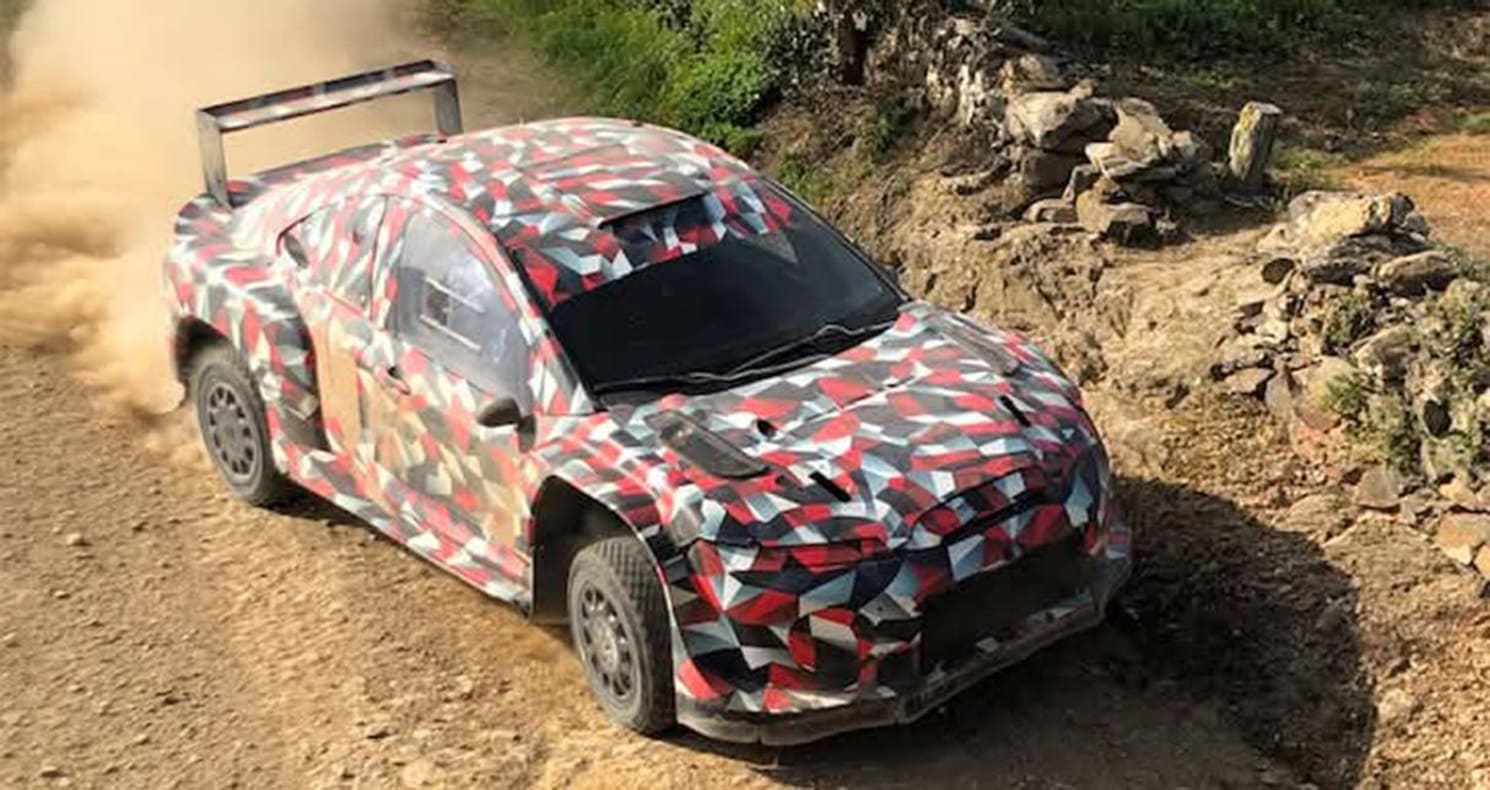
What has been decided is that Toyota is serious enough to be testing hardware. A prototype spotted ahead of the 2027 World Rally Championship season wears what observers describe as a Celica-style body, strongly suggesting Toyota plans to ditch the GR Yaris as its WRC platform. Rallying has always been the Celica’s spiritual home—the GT-Four dominated stages in the early 1990s—and linking a road car revival to competition credibility is textbook Gazoo Racing strategy.
The project traces back to 2024, when then-Vice President Yuki Nakajima first announced Toyota was exploring a Celica return. Nakajima has since left his post, but the car has apparently survived the personnel shuffle. Hayashi says development is making “steady progress,” though he pointedly refused to offer a timeline.
Steady progress and 300 kilowatts are two very different things. The power figure, reported but unconfirmed by Toyota, would place the Celica squarely against the likes of the BMW M2 and the next wave of Hyundai N products. That’s serious company for a brand whose sports car lineup currently tops out with the GR Supra.
A 2.0-litre turbo-hybrid making that kind of power would need to be a genuinely advanced powertrain, not a warmed-over Corolla motor bolted to an electric supplement.
And the Celica isn’t alone. Toyota has filed intellectual property registrations in both Australia and Japan for “MR2” and “GR MR2,” pointing to a potential mid-engine revival alongside the Celica. Reports suggest the MR2 would share the same 2.0-litre turbo-hybrid architecture but push even harder—370 kilowatts and 550 Nm have been floated.
Two heritage sports cars, both hybrid, both all-wheel drive. Toyota is either building a proper performance portfolio or stringing enthusiasts along with trademark paperwork.
The tension here is classic Toyota. The company generates enormous excitement around performance cars—the GR Yaris, the GR86, the Supra revival—then takes its sweet time delivering the next chapter. The Celica project is now roughly four years from its initial announcement, and the car is still described as several years from production.
A 2028 arrival, as some outlets have speculated, feels optimistic given Hayashi’s deliberate vagueness.
Emission regulations are the engine driving this whole shift. The 1.6-litre turbo that made the GR Yaris a giant-killer simply cannot survive the next round of standards. Hybridization isn’t a lifestyle choice for Toyota’s performance division—it’s a compliance necessity.
The question is whether Gazoo Racing can make the electrified powertrain feel like a feature rather than a compromise.
Toyota has the engineering talent, the motorsport infrastructure, and certainly the budget. What it hasn’t shown yet is urgency. The Celica name still carries weight with a generation of enthusiasts who remember it tearing through Finnish forests and carving mountain passes.
Those buyers won’t wait forever, and the competition from Hyundai’s N division, Honda’s revived Integra, and a resurgent BMW M lineup isn’t standing still.
Trademarks and prototypes are encouraging. A finished car with a price tag would be better.
Share this Story