
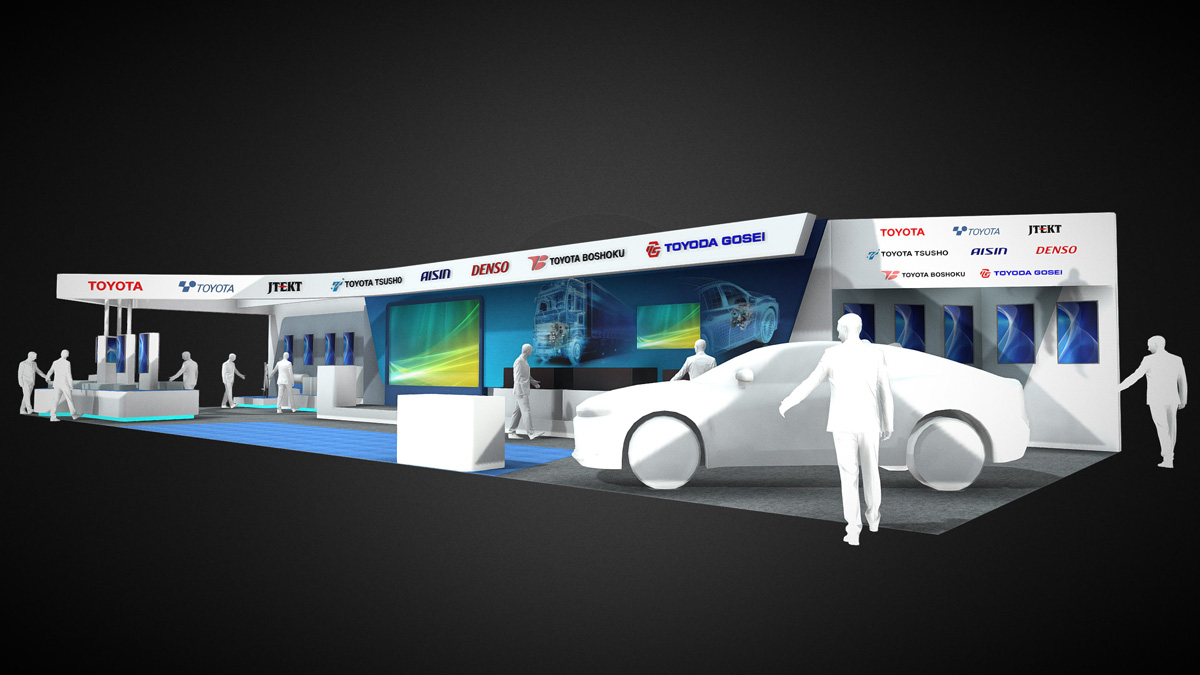


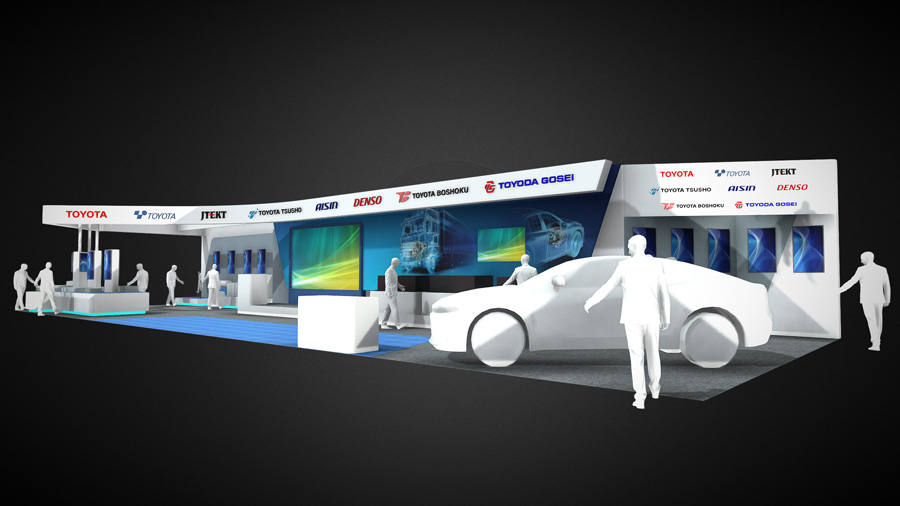
While the rest of the auto industry chases battery-electric headlines, Toyota is doubling down on hydrogen. The company announced it will exhibit at the 25th H2 & FC Expo at Tokyo Big Sight from March 17-19, bringing along a first-ever public display of its Honsha Plant water electrolysis system and a third-generation fuel cell system.
The centerpiece is a 5-megawatt-class water electrolysis demonstration unit, developed jointly with Chiyoda Corporation and now operational at Toyota’s headquarters plant in Toyota City, Aichi Prefecture. That’s not a concept sketch or a press-conference promise. It’s running hardware, producing hydrogen on Toyota’s own factory floor.
Mitsumasa Yamagata, President of Toyota’s Hydrogen Factory — yes, they have an entire division called the Hydrogen Factory — will headline opening-day presentations. A joint session with Chiyoda will walk through the electrolysis system’s path to commercialization. Then comes a talk session featuring Tokyo Vice Governor Akiko Matsumoto and Aichi Prefecture’s Executive Director for Hydrogen and Mobility Promotion, Hidenori Tsuzuki.
The public-private partnership angle is deliberate. Toyota isn’t just making fuel cells and hoping municipalities come knocking. It’s locking in regional government partners — Tokyo and Aichi, specifically — to push fuel cell commercial vehicles into real-world service.
Toyota frames its hydrogen work across the entire value chain: producing, transporting, storing, and using. That language has appeared in Toyota communications for years now, but the Honsha Plant electrolyzer gives it physical weight. Producing hydrogen on-site at a major automotive manufacturing facility is a concrete step most competitors haven’t taken.
The third-generation fuel cell system on display represents Toyota’s latest iteration of the technology that powers the Mirai sedan and an expanding range of commercial applications. Each generation has pushed down cost and size while improving output. The question has never been whether Toyota can build a good fuel cell — it’s whether the world will build enough hydrogen infrastructure to make it matter.
That’s the tension Toyota keeps trying to resolve through sheer force of will. Battery-electric vehicles have charging networks growing by the month across every major market. Hydrogen refueling stations remain sparse, expensive, and concentrated in a handful of regions — California, parts of Europe, Japan, South Korea.
Toyota knows this. Its response is to work both sides: make the hardware cheaper and partner with governments to build the ecosystem.
The expo itself is now in its 25th year, a reminder that hydrogen fuel cell technology has been “almost ready” for a remarkably long time. Toyota has been exhibiting at these events for most of that run. But there’s a difference between showing a vision and showing a 5-MW electrolyzer you’ve actually installed at your own headquarters.
Toyota’s multi-pathway strategy — pursuing hydrogen alongside hybrids, plug-in hybrids, and battery-electrics — has drawn skepticism from analysts who see it as hedging rather than committing. But Toyota has always played a longer game than its critics expect. It spent a decade being mocked for the Prius before hybrids became the industry’s most reliable profit engine.
Whether hydrogen follows the same arc depends on economics and infrastructure, not just technology. Toyota clearly believes it can influence both. Installing a large-scale electrolyzer at Honsha Plant isn’t a research project anymore — it’s an industrial bet.
The expo presentations are scheduled for March 17. The diorama will be nice. The real story is the full-scale system back in Toyota City, quietly splitting water.
Share this Story