
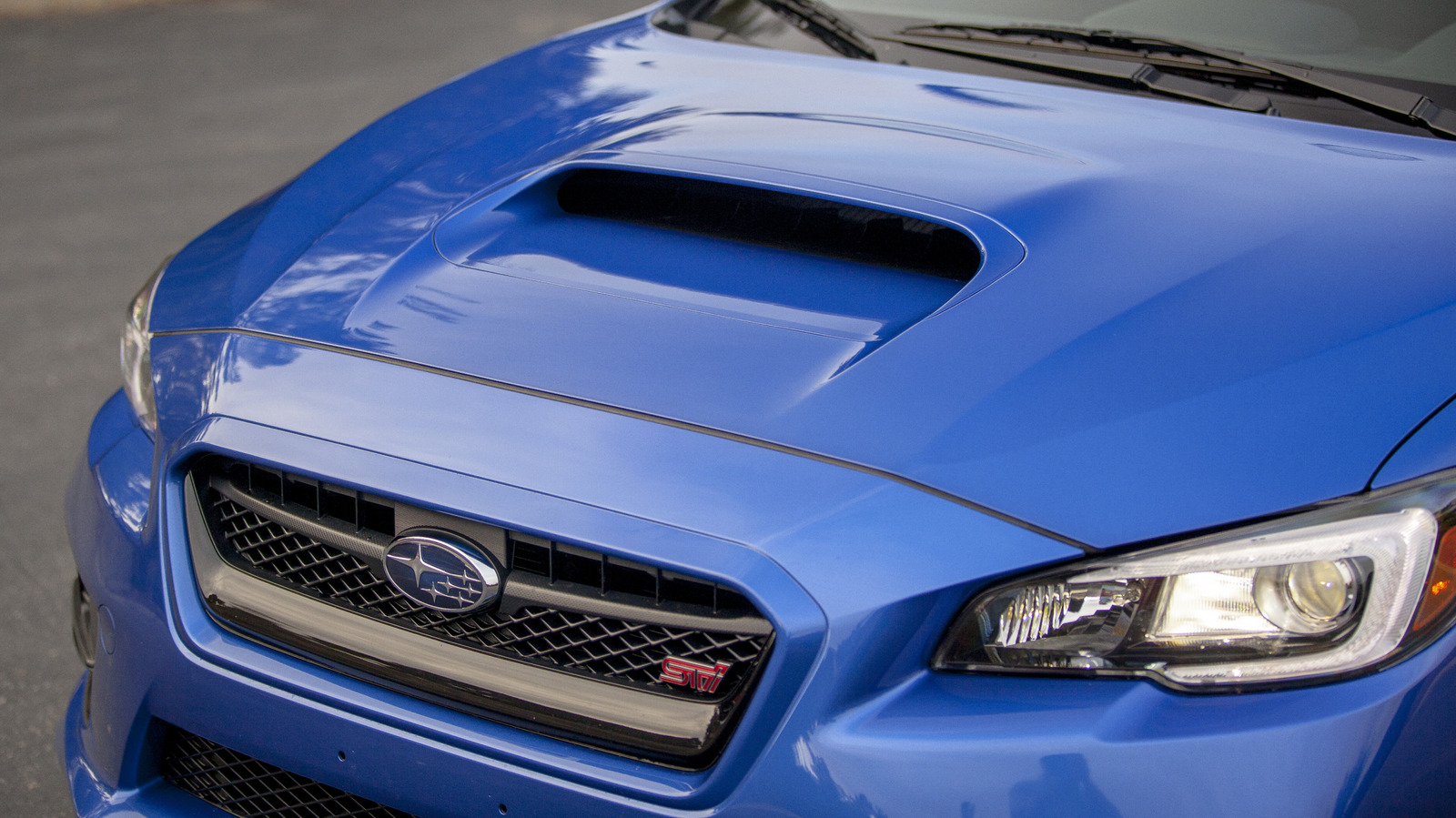


A new Lycoming O-360-A4M costs between $80,000 and $110,000. A used Subaru flat-four can be had for $2,500 or less. That gap explains why a car company famous for rally stages and all-wheel drive has ended up turning propellers.
No certified production aircraft leaves the factory with a Subaru engine. The boxers live in the homebuilt world, where amateur builders have spent decades bolting mass-produced car hardware onto light airframes.
The logic starts with geometry. A boxer lays its cylinders flat on either side of the crankshaft, the same basic layout as traditional air-cooled aircraft engines.
That low profile tucks inside a cowling without blocking the pilot’s view over the nose. The opposing pistons also cancel out vibration, which matters in a lightweight plane where every shake travels straight into the airframe.
Then comes the money. Purpose-built aircraft engines are made in small numbers, so they cost more to buy and far more to maintain and rebuild.
Subaru’s EA, EJ, EG and EZ families went the other way. They were built in enormous volumes for road cars, so the blocks are cheap and parts are everywhere.
Builders also report running their conversions on regular 91-octane pump gas from an ordinary service station. Pricey aviation fuel stays off the receipt.
Subaru isn’t alone up there. Air-cooled Volkswagen flat-fours and Chevrolet Corvair flat-sixes have powered homebuilt aircraft for years.
Builders chasing serious output reach further. Mazda’s 13B rotary and Chevrolet’s all-aluminum LS V8 have both found their way into experimental airframes.
But a car engine and an airplane engine do very different jobs. A highway cruiser loafs along at modest revs, while an aircraft holds its engine above 4,000 rpm for long stretches.
That sustained load demands more cooling than any Subaru was designed with. It’s also why builders say putting an airplane engine in a car is far easier than putting a car engine in an airplane.
Dedicated aircraft engines are engineered from the start for that punishing duty cycle. They remain the safer choice for flight.
Pilots tend to defend the Subaru blocks themselves as generally reliable. The weak point, they say, is everything bolted around them: the conversion quality and the supporting hardware that turns a car motor into a flight unit.
The numbers back that up. According to Kitplanes, around 20% of accidents involving homebuilt auto-engine conversions happen within the first 10 flight hours, a window dominated by early bugs.
For dedicated aircraft engines, the equivalent figure is 6%. Same early hours, roughly a third of the share.
The bill for cheap power keeps growing once the engine is on the bench. Conversions add weight, and naturally aspirated motors need head gasket upgrades before they’re fit to fly.
None of that makes the $2,500 boxer a fraud. It makes it a project. The savings are real, but you pay for them in fabrication skill, testing time and a willingness to own every failure point personally.
That’s why the Subaru-powered plane remains the territory of hands-on gearheads, not pilots who want to turn a key and go. The cheapest engine on the field still has to survive its first ten hours, and the builder is the one signing off on it.
Share this Story