
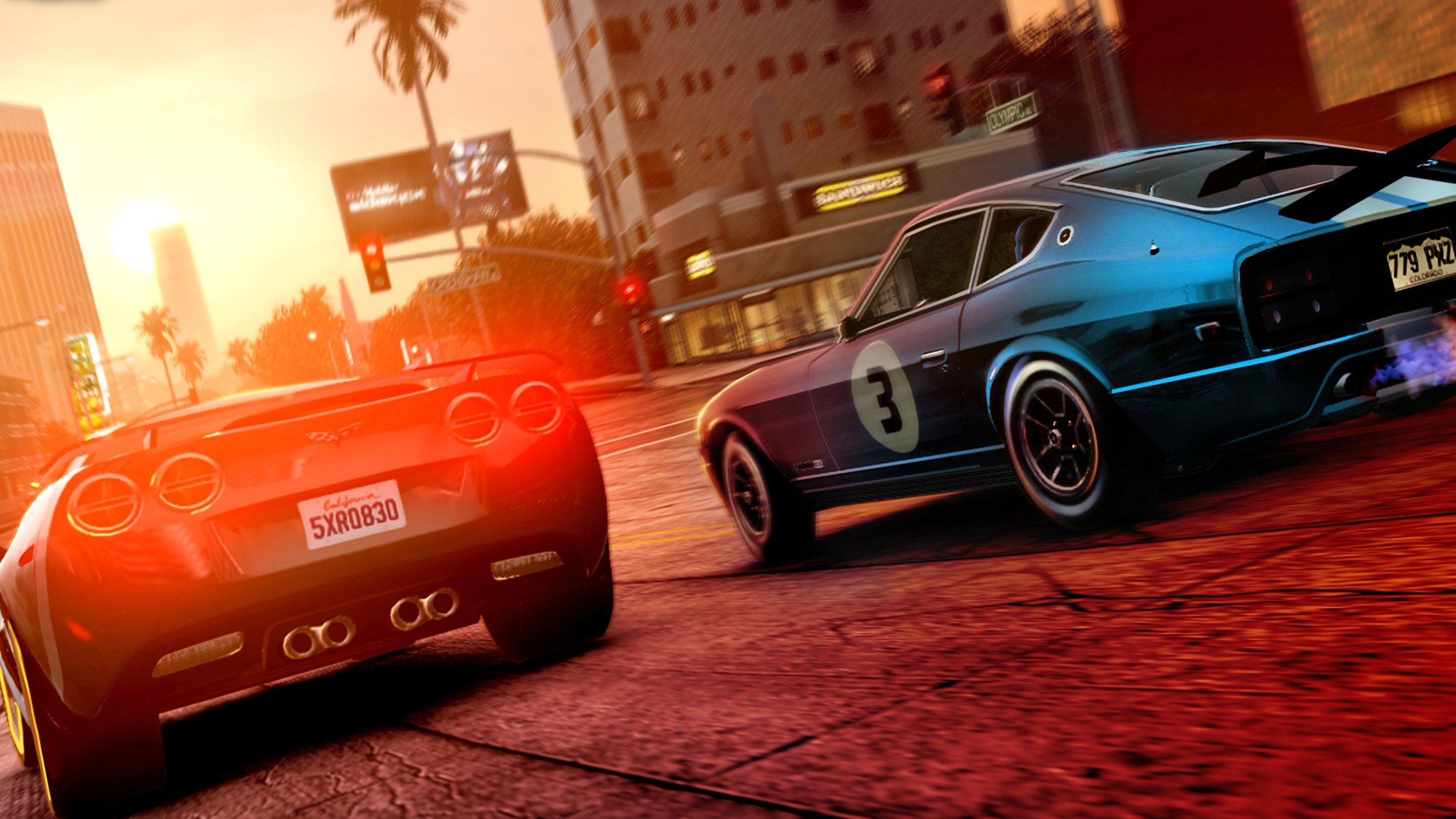


Midnight Club 5 was real. It had a London map. And Rockstar killed it anyway.
Kris Roberts, a former senior designer at Rockstar San Diego who worked on the Midnight Club series, revealed in an interview with Insider Gaming that the team had begun development on a fifth entry after Midnight Club: Los Angeles shipped in 2008. The project didn’t survive long enough to get a proper title.
Roberts pointed to “non-trivial conflict” with Rockstar’s New York headquarters as the root cause. The San Diego team had slipped its deadline on Midnight Club: LA, which was originally supposed to launch in early 2008 but didn’t hit shelves until late October. In gaming, that kind of delay barely registers. But for a studio already living in Grand Theft Auto’s shadow, it was enough to tighten the noose.
“The perception was we never got the accolades or the reception,” Roberts said. “The New York perspective was, ‘You’re not GTA.’ When you’re the red-headed stepchild project, you know, we’re doing a good job, we’re world-class, but we’re still treated less than. It was challenging.”
Midnight Club: Los Angeles was, by any honest measure, an excellent street racing game. Need for Speed was fumbling badly in that same era, which made Rockstar San Diego’s work look even sharper by comparison. Roberts himself said the team felt that in any other studio environment, Midnight Club would have been treated as a franchise worth protecting.
But Rockstar isn’t any other studio. It is a company that has spent the last 15 years consolidating its entire identity around one franchise. Red Dead Redemption got a sequel in 2018, sure, but that feels more like the exception that proves the rule. Bully never got a proper follow-up. Agent vanished into the ether. Max Payne was handed off and then shelved.
Grand Theft Auto V has generated billions. GTA Online alone has been a money printer for over a decade. When that kind of revenue is flowing from a single spigot, every other project inside the company becomes a distraction, a resource drain pulling talent and budget away from the thing that actually funds the empire.
Roberts’ account puts a human face on that math. A team of developers who knew they were doing top-tier work, building something players loved, and watching it get suffocated because the spreadsheet next door was bigger.
The last Midnight Club game is now 18 years old. An entire generation of racing fans has grown up without it. Some of the franchise’s DNA found its way into GTA Online’s car culture, but comparing a microtransaction-laden virtual garage to the raw arcade thrill of MCLA is generous at best.
Rockstar’s single-minded focus on GTA has produced one of the most commercially successful entertainment products in human history. Nobody disputes that. But the cost of that focus is a graveyard of franchises that were genuinely good, made by genuinely talented people, and abandoned because they couldn’t match the revenue ceiling of one particular open-world crime sandbox.
Roberts and his team in San Diego built something players still talk about nearly two decades later. London was on the table. The work had started. And someone in New York decided it wasn’t worth finishing.
Whether Rockstar’s all-in bet continues to pay off depends entirely on GTA VI, a game the entire industry is watching with a mixture of anticipation and anxiety. If it stumbles, there won’t be a Midnight Club or a Bully to fall back on.


Share this Story