
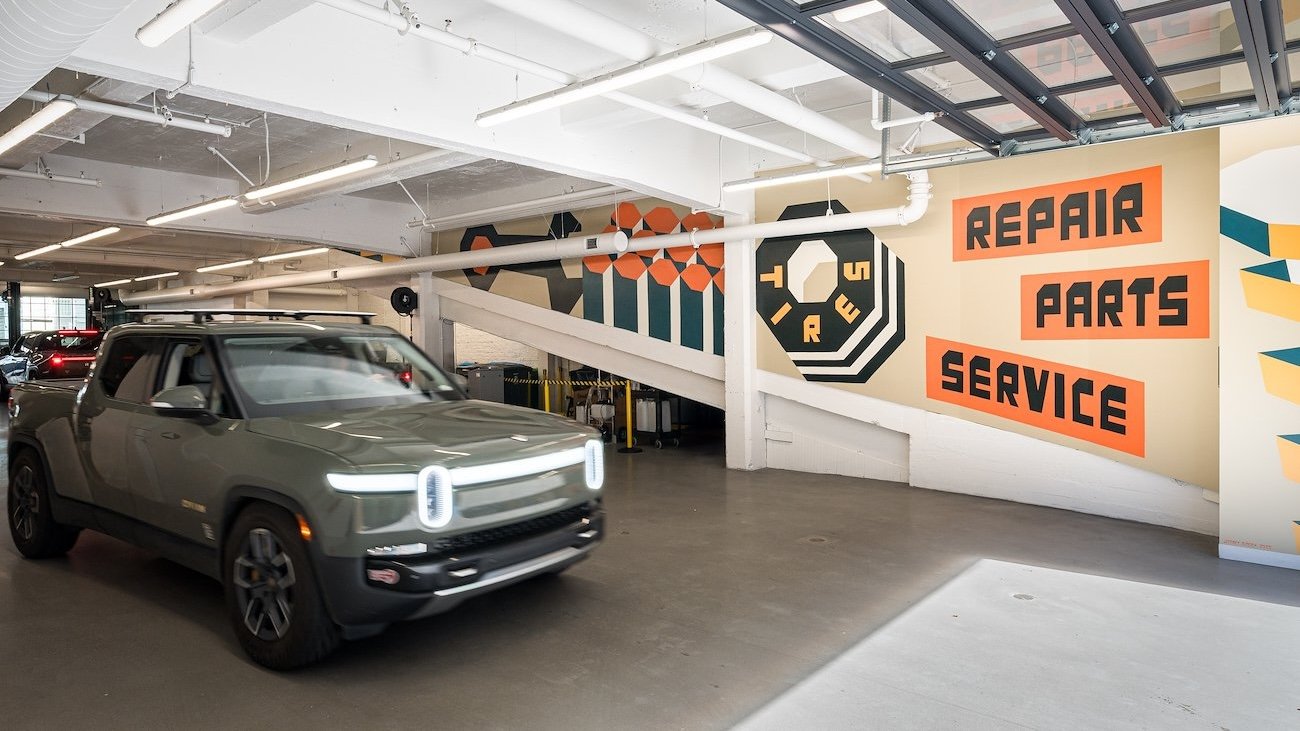


Fifty days. That’s how long some Rivian owners waited to get non-critical service work done at their worst moments. A rattle, a broken trim piece, something annoying but not disabling — and the answer was “we’ll see you in a month and a half.”
For a company selling $70,000-plus trucks and SUVs, that’s not a growing pain. That’s a credibility crisis.
CEO RJ Scaringe now says those days are finished. Speaking in an exclusive interview on The Drivecast from Park City, Utah, Scaringe laid out what he called a complete overhaul of Rivian’s service operations. Critical issues — vehicles that won’t move — are now handled within hours. Non-critical items land appointments within a couple of days.
If true, it’s a transformation. And the timing is no accident.
The R2 is coming. Priced between $45,000 and $60,000, it targets buyers who don’t have a backup Range Rover sitting in the garage. These are one- or two-car households. They can’t afford to park their daily driver for six weeks waiting on a service slot. Scaringe understands this math perfectly well, which is why the service overhaul isn’t charity — it’s survival.
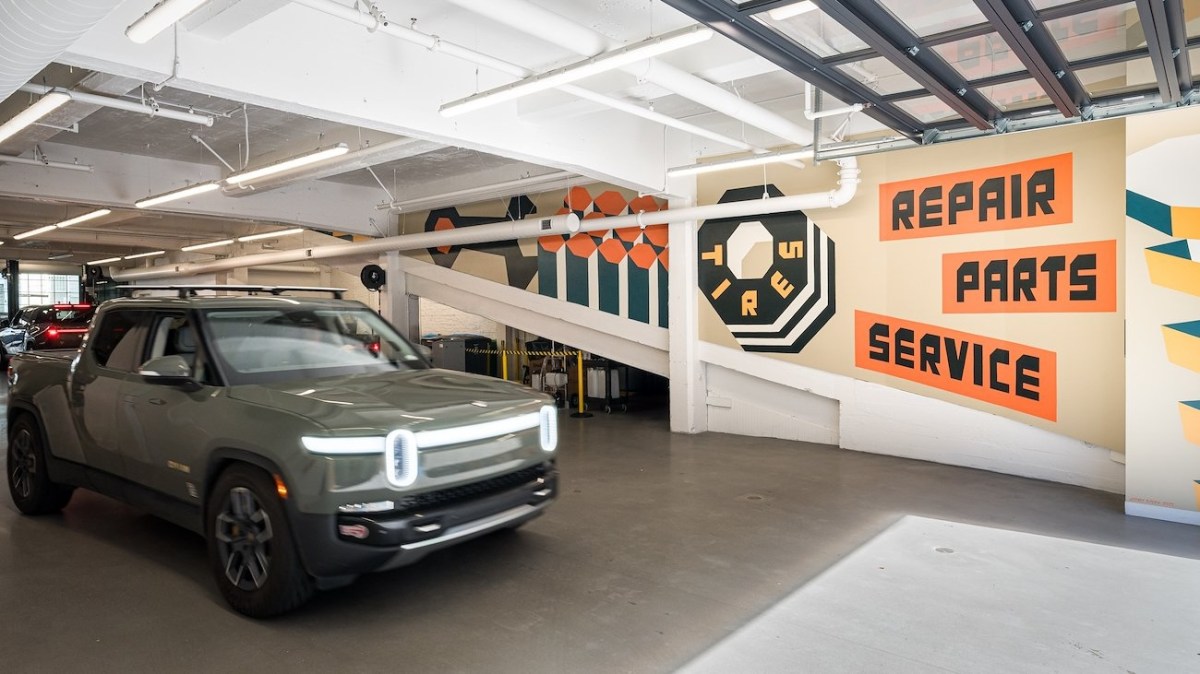
Scaringe was unusually candid about the early failures. When Rivian started deliveries in 2021, the service network simply wasn’t there. Volume in certain markets outpaced infrastructure, and spinning up new service centers takes nine to 18 months between site selection, buildout, and permitting.
He also took a subtle swipe at the permanence of the Internet age. Toyota had growing pains too, he argued, but nobody was posting about it on Reddit in 1963. Fair enough. But Toyota in 1963 also wasn’t asking customers to spend the equivalent of a house down payment on a truck. The comparison is convenient. It’s not quite equivalent.
Still, the community chatter does appear to be shifting. Scaringe pointed to forum threads where owners who had terrible experiences in 2023 are now being followed by replies from people who visited the same locations and had dramatically better outcomes. That organic feedback loop matters more than any press release.
The real question is scale. Rivian delivered around 51,000 vehicles in 2024 and has roughly 250,000 on the road. The R2, if it hits its targets, could double or triple annual volume within a few years.
Every service center that’s running smoothly today with R1 traffic will face a fundamentally different workload. Scaringe says the network is ready. He’s betting that the infrastructure investments made over the past two years — painful, slow, expensive — will pay off precisely when the stakes get highest.
It’s a bet he has to win. The R2 is Rivian’s bridge from niche to mainstream, from cash-burning startup to viable automaker. A $45,000 buyer who waits 50 days for service doesn’t write an angry Reddit post. They trade the thing in for a RAV4 and never come back.
Scaringe knows this. His openness about past failures suggests he also knows that trust, once lost at scale, doesn’t come back on a press tour. It comes back one service appointment at a time, in hours instead of weeks, with a customer who drives away thinking maybe this company actually has its act together.
The infrastructure is built. The promises are made. Now roughly a quarter-million current owners and a wave of future R2 buyers get to decide whether Rivian’s service story has actually changed — or whether Scaringe is just better at talking about it.

Share this Story