


Six concepts from Stellantis. A reimagined MPV from Renault. The 2026 Paris Motor Show turned into a design arms race, with Europe’s legacy automakers blanketing the halls in shiny what-ifs while Chinese brands set up shop with cars you can actually buy.
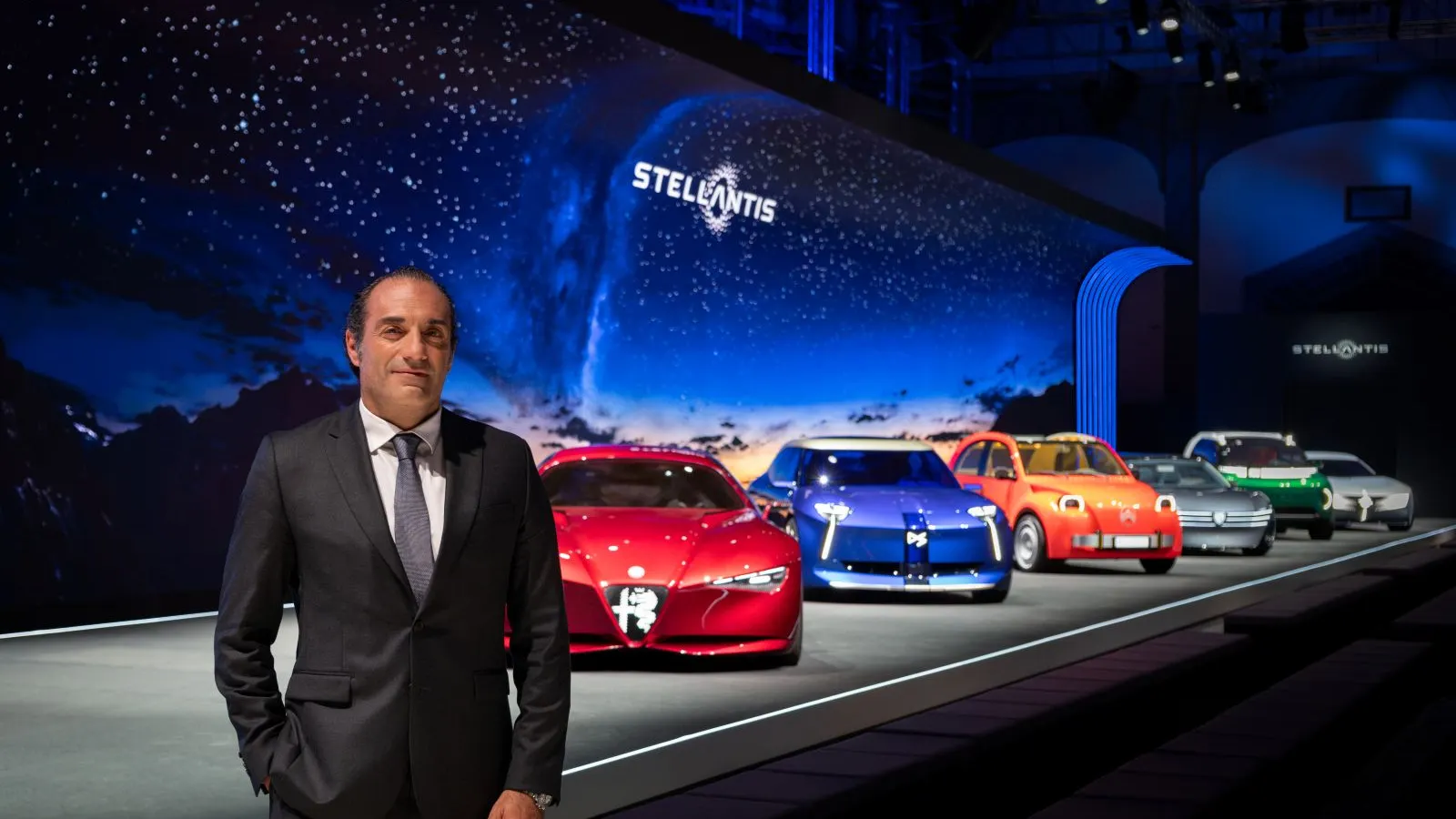
Stellantis CEO Antonio Filosa opened the offensive on Oct. 11 with a half-dozen concepts spanning Citroën, Alfa Romeo, DS, Fiat, Vauxhall, and Peugeot. The headline act was the Citroën 2CV Concept, a tiny EV riff on the original micro workhorse that Stellantis claims could hit showrooms at roughly 15,000 euros, or about $16,800. That price, if real, would undercut nearly every electric car currently on sale in Europe.
The rest of the Stellantis lineup leaned heavily on nostalgia dressed in new clothes. Fiat dusted off the Multipla name for a compact people carrier called Multiplay. Peugeot showed its RCZ Vision EV built on the STLA One platform with steer-by-wire and a digital cockpit it calls Hypersquare.
Alfa Romeo went combustion-forward with the Cuorerosso, pairing a 2.9-liter gasoline engine with hybrid tech, all-wheel drive, and a carbon fiber driveshaft. That car’s existence tells you everything about where Alfa thinks its buyers actually are.
DS Automobiles contributed the F3VER, a “design-led” exercise in premium lifestyle branding that remains precisely as vague as it sounds. Vauxhall trotted out the STX Concept, a station wagon with illuminated logos. Neither car screamed urgency.
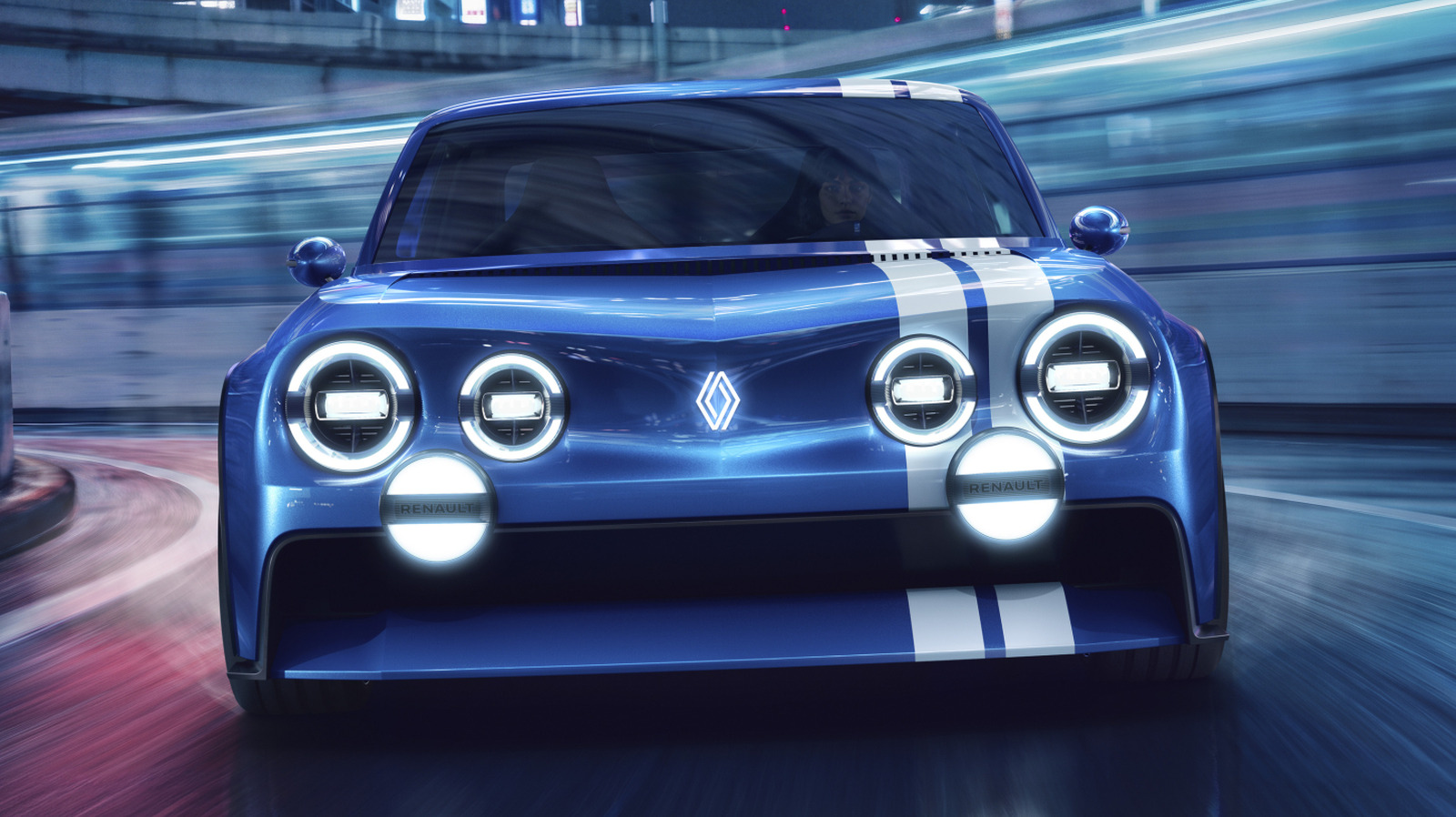
Renault took a different path on Oct. 12, revealing the E-Space Concept, a modern electric reimagining of the Espace MPV that first launched in 1984. At 15.4 feet long and 5.5 feet tall, riding on 23-inch wheels with no B-pillars, the thing is a glass-wrapped living room on wheels. Second-row seats swivel 180 degrees to face the third row, fold-down tray tables emerge from seatbacks, and 12.3-inch screens appear where magazines used to go.
Renault design director Alexandre Malval talked about “soft features” and “high-tech finish” in the same breath, which is the current playbook for any concept that wants to look like a luxury hotel lobby. The subtext at Paris was impossible to miss. Chinese automakers like BYD, Chery, and others arrived with production vehicles, competitive pricing, and aggressive expansion plans.
Europe’s response was a fusillade of concepts, most of which carry no confirmed production dates. Concepts are not commitments. They are mood boards with wheels.
Stellantis tied the display to its FaSTLAne 2030 strategy, backed by a reported $70 billion investment plan. Filosa called the Paris showing a reflection of “extraordinary effort” and “iconic brands.” That language works at a press event, but on a dealer lot in 2027 or 2028, it will need to be backed by cars people can configure and finance.
The 2CV Concept’s 15,000-euro price tag is the most interesting number to come out of Paris precisely because it acknowledges the real battlefield. Chinese EVs are landing in Europe at price points that make legacy automakers squirm. A cheap Citroën EV with emotional pull could be a genuine weapon, but only if it ships.
Renault’s E-Space Concept aims at families who want space without the SUV silhouette, a shrinking but loyal demographic. Whether the market will support a pillarless electric van with swiveling seats and fold-down tables remains an open question.
Paris was full of beautiful objects and grand promises. The Chinese exhibitors across the hall were offering something simpler: cars with prices and delivery dates.

Share this Story