
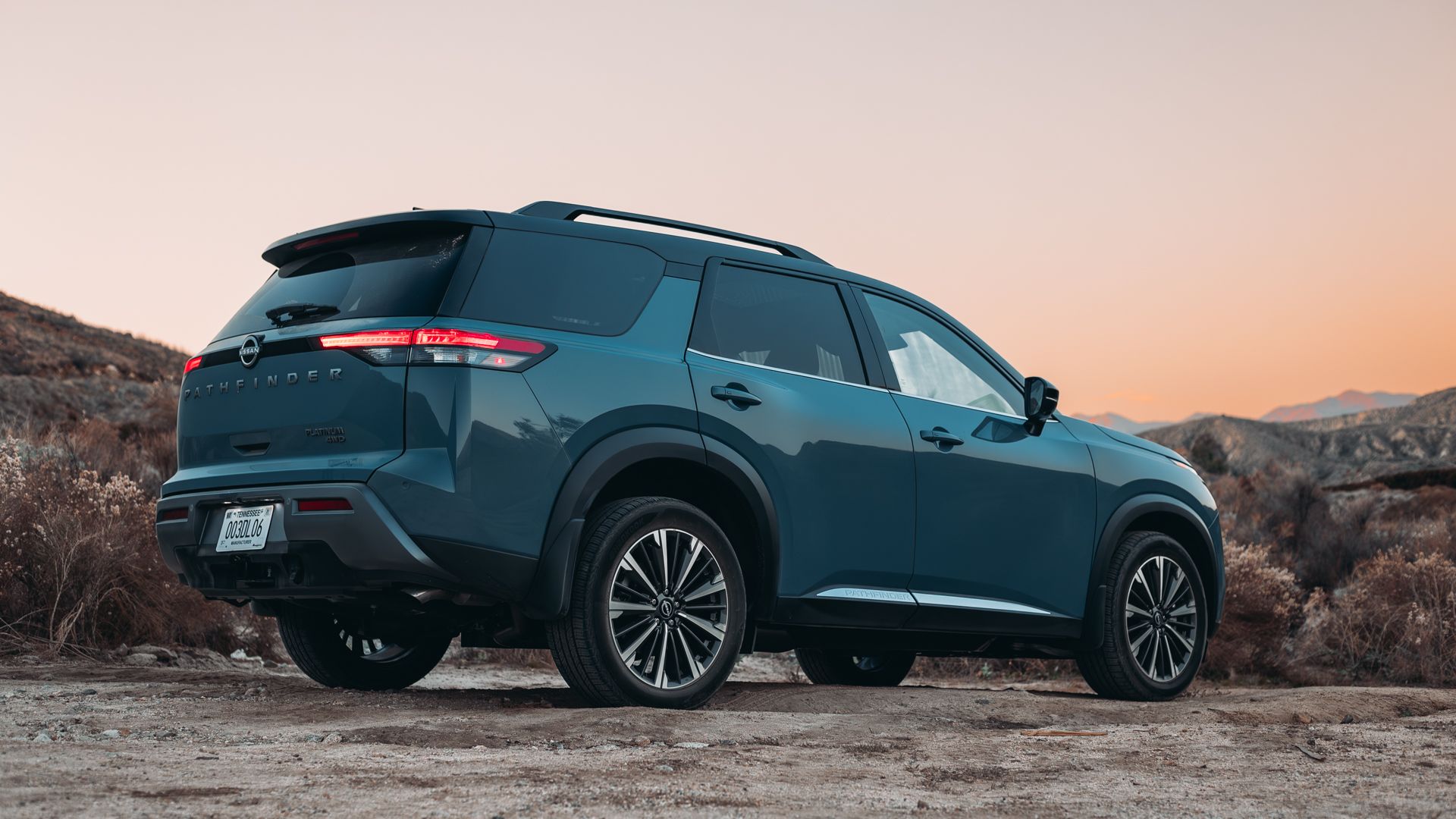


Nissan is plotting something unusual, even by today’s anything-goes SUV market standards. The automaker plans to sell two completely different vehicles under the Pathfinder name at the same time — one built on a car-like unibody platform, the other on a truck-based body-on-frame chassis.
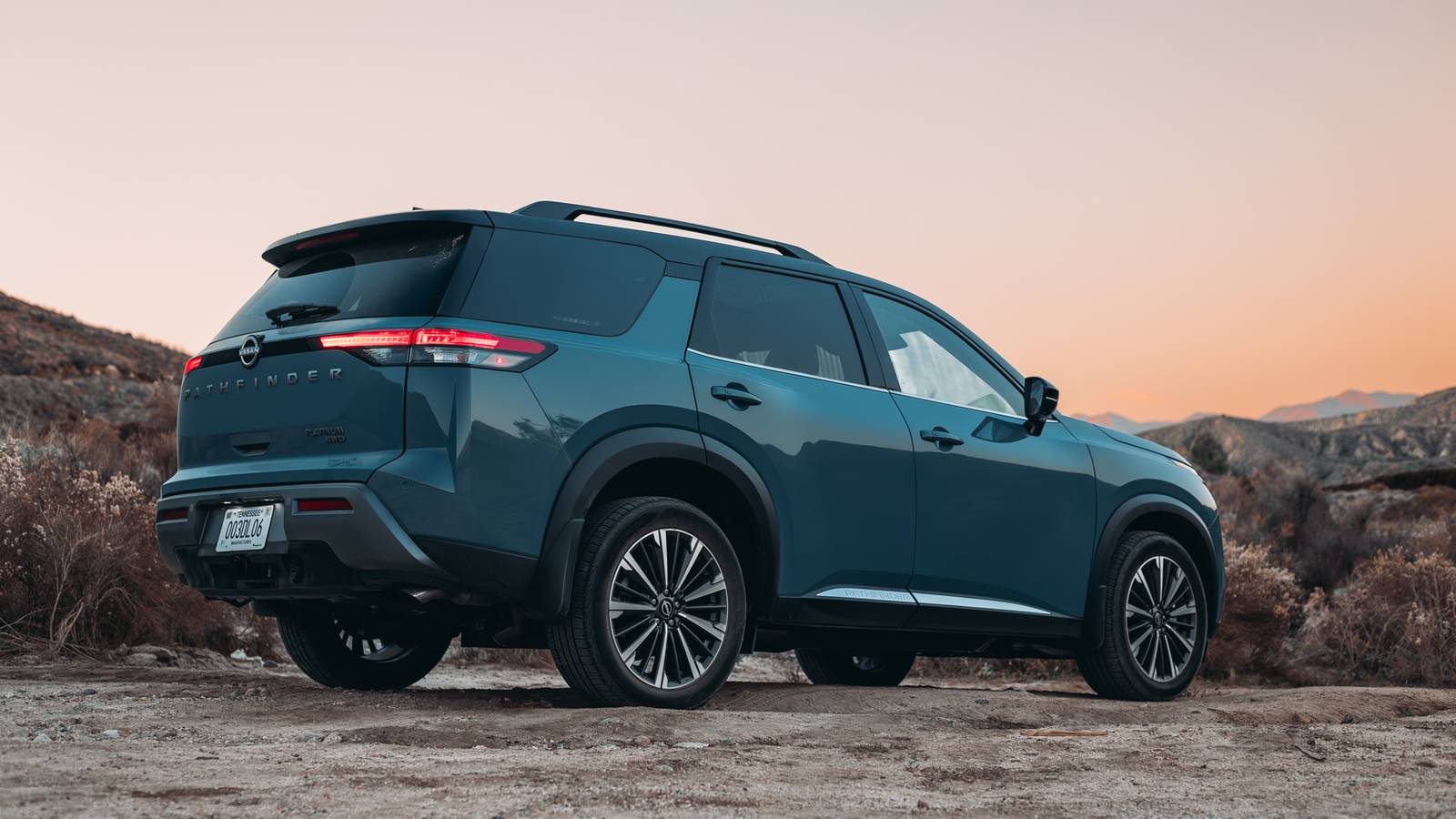
According to a report from Automotive News, citing a source familiar with Nissan’s plans, the body-on-frame Pathfinder could arrive as early as mid-2029 as a 2030 model. It would join the current unibody Pathfinder, which has been on sale since 2022 and moved roughly 101,600 units in the U.S. last year.
The strategy is straightforward in theory. The existing crossover-style Pathfinder would target families who prioritize on-road comfort and want an entry-level price point. The new truck-based version would chase buyers hungry for genuine off-road capability at a premium price.
Nissan isn’t exactly denying any of this. When pressed, a company spokesperson offered a carefully worded non-denial to Car and Driver: “We always evaluate our plans to offer the most compelling product portfolio based on consumer trends and market opportunities.” The statement went on to confirm excitement about the Xterra’s return “as early as 2028, followed by four other frame-based vehicles on the same all-new platform.”
That new Xterra is the key piece of the puzzle. Dealers have already been given a preview, describing it as having a rugged, muscular design. The body-on-frame Pathfinder would likely share the Xterra’s platform but set itself apart with more restrained styling and the retention of third-row seating. The Xterra, by contrast, could stay more compact and purpose-built for trail work.
There is precedent for this kind of dual-model approach. Toyota sells the body-on-frame 4Runner alongside the unibody Highlander, and Ford offers the Bronco next to the Explorer. Both strategies have worked because each vehicle targets a clearly distinct buyer. But neither Toyota nor Ford sells those competing models under the same nameplate, and that’s where Nissan’s plan gets tricky.
The company reportedly plans to use powertrains as another differentiator. The unibody Pathfinder would stick with a conventional internal-combustion engine, while the body-on-frame version would launch with a gas engine and add a hybrid option later. The rugged model may also carry the Pro4X badge to signal its off-road intentions.
Before the truck-based model arrives, Nissan will update the current unibody Pathfinder in the 2028 or 2029 timeframe. Even with a refresh, that platform will be seven years old by the time its body-on-frame sibling shows up. The two vehicles will maintain distinctive styling to minimize confusion on dealer lots, though sharing a name will inevitably create some.
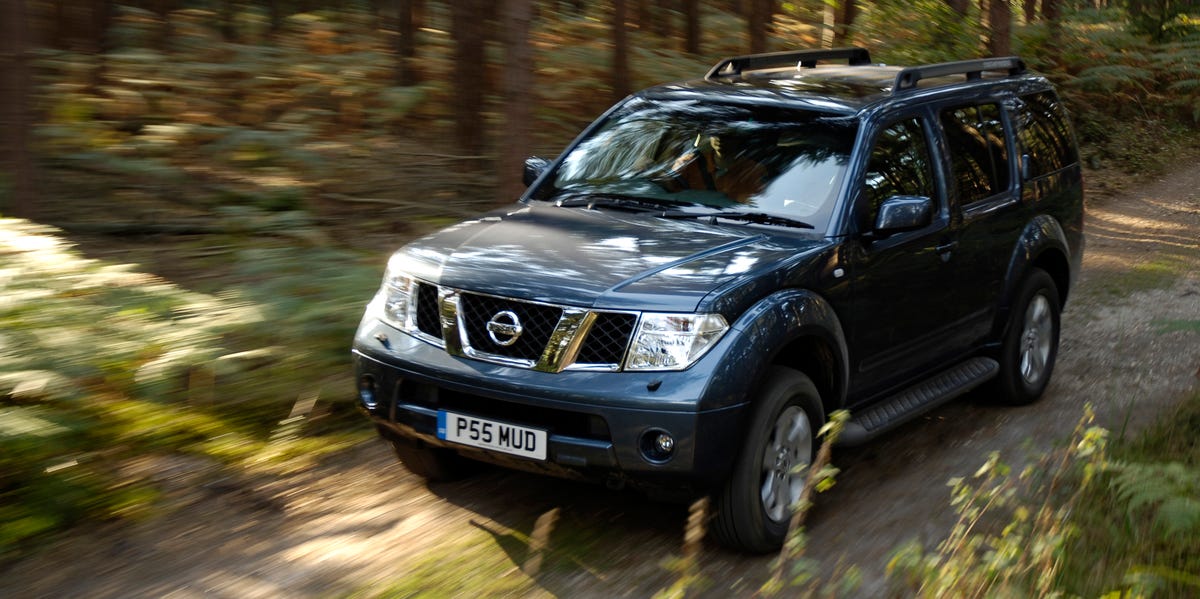
How long this coexistence lasts is anyone’s guess. The source told Automotive News that Nissan will let sales numbers dictate the arrangement’s future. If one version dramatically outsells the other, the underperformer could be quietly retired. It is a real-time market experiment with the Pathfinder badge as the test subject.
All five vehicles planned for Nissan’s new body-on-frame platform are expected to be built at the company’s Canton, Mississippi factory. There is also speculation that Infiniti could develop its own model on this architecture, potentially giving Nissan’s luxury brand a competitor for the Lexus GX segment.
For a company that has spent the better part of a decade fighting for relevance against Toyota and Ford in the SUV space, this is an aggressive swing. Nissan abandoned body-on-frame Pathfinders after 2012 in favor of crossovers. Now, more than a decade later, the brand is essentially admitting that both audiences matter — and it is willing to bet the Pathfinder name twice to prove it.
Whether shoppers embrace or reject the confusion of two fundamentally different trucks wearing the same badge will determine if this gamble pays off or becomes a cautionary tale in automotive branding.
Share this Story